
ملاحظات ميدانية: تسمع صوت طقطقة حادة ومزعجة تعلو على هدير محرك الديزل، وفجأة يتوقف صوت آلة التجميع تمامًا بينما لا يزال عمود إدارة الطاقة في الجرار يدور. ينقبض قلبك. لقد انكسر مسمار القص. دعنا نتحدث عن سبب حدوث ذلك، وكيفية إصلاحه دون أن تفقد أعصابك، وكيفية منعه من إفساد يومك مرة أخرى.
يعرف كل مشغل متمرس هذا الصوت جيدًا. بصفتنا شركة رائدة في تصنيع مكابس التبن الدائرية ومصنعًا متخصصًا في مكابس التبن الزراعية، ندرك تمامًا أن أي عطل مفاجئ في نظام نقل الحركة يُعطّل موسم الحصاد. يُعد اختيار مورد موثوق لمعدات كبس التبن أمرًا بالغ الأهمية، لأن مكبس التبن الدائري عالي التحمل مُصمم خصيصًا لتحمل عزم دوران عمود إدارة الطاقة العالي دون انقطاع متكرر للصمامات الميكانيكية. تُصنع مكابس التبن الزراعية المُخصصة لدينا مباشرةً في مصنعنا المتطور في هولندا، حيث تُوازن بين سعة التغذية العالية وأنظمة نقل الحركة فائقة المتانة. عند اختيارك لمورد مصنع معتمد، ستحصل على آلات متينة مصممة لضمان استمرارية عملية الكبس، بدلًا من الانشغال الدائم بالأعطال.
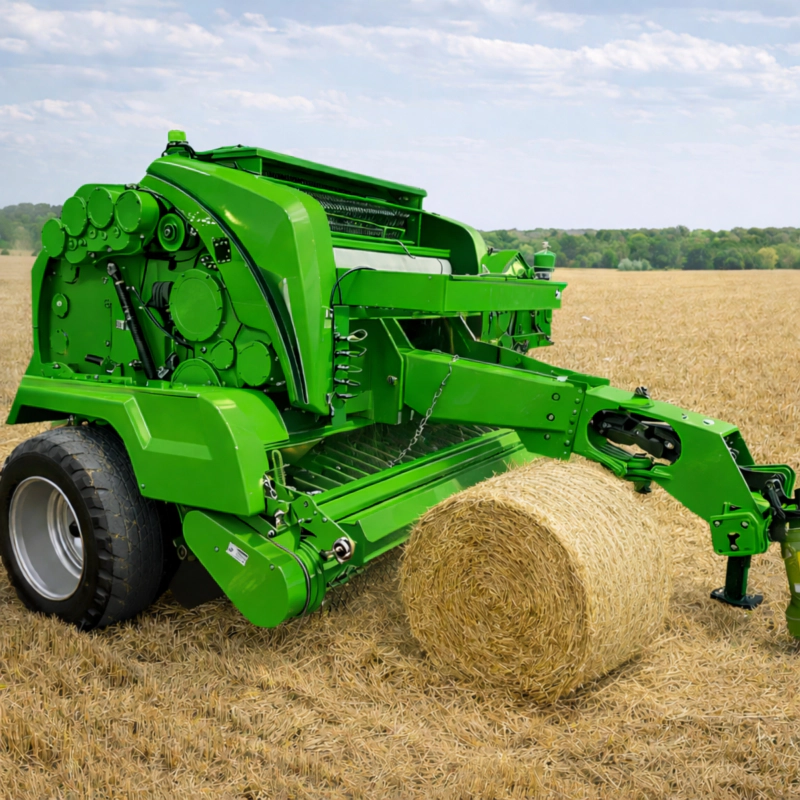
الصمام الميكانيكي: نظرة عامة على ديناميكيات براغي القص
من خلال خبرتنا في قضاء أيام طويلة مليئة بالغبار في تشخيص أعطال المعدات الميدانية، نلاحظ أن معظم المشغلين لا يدركون أن مسمار القص هو في الواقع أفضل حليف لهم. فهو مصمم خصيصًا ليتعطل. تخيله كصمام أمان ميكانيكي. عندما... مكبس بالات دائرية شديدة التحمل إذا ابتلع المحرك كتلة ضخمة رطبة من التبن - أو ما هو أسوأ، عمود سياج متناثر - فإن التوقف المفاجئ يُحدث ارتفاعًا هائلاً في عزم الدوران ينتقل مباشرةً إلى أعلى عمود نقل الحركة. لو لم ينكسر هذا البرغي إلى نصفين بسلاسة، لكانت قوة الالتواء هذه ستدمر تمامًا تروس عمود نقل الحركة الداخلي للجرار أو تحطم علبة التروس الرئيسية لآلة التجميع. أنت بذلك تستبدل قطعة غيار لا تتجاوز قيمتها دولارين بفاتورة إصلاح باهظة تصل إلى خمسة آلاف دولار.
يكمن السر في فهم *سبب* استمرار حدوث هذه المشكلة. إذا كنت تستبدل مسمار القص مرة واحدة في الموسم، فهذا أمر طبيعي في الزراعة. أما إذا كنت تستبدل ثلاثة مسامير في فترة ما بعد الظهر، فهناك خلل جوهري في نظامك. لقد رأينا أشخاصًا يصل بهم الإحباط إلى حدّ دقّ مسمار فولاذي مقوى من الدرجة 8 في الوصلة لمنعها من الانكسار. (رجاءً، لا تفعل ذلك أبدًا). إن القيام بذلك يُعطّل آلية الأمان تمامًا، مما يضمن حدوث عطل كارثي في نظام نقل الحركة قبل غروب الشمس.

المعايير التقنية: معرفة مكونات جهازك
عند تصميم أنظمة نقل الحركة في المصنع، تكون حسابات نقطة القص دقيقة للغاية. إليك تفصيل لمواصفات حماية عزم الدوران القياسية التي ستجدها في مختلف فئات مكابس التبن. قارن هذه الأرقام مع إنتاجية جرارك، وستتجنب الكثير من المشاكل.
| مواصفات مجموعة نقل الحركة | نماذج المرافق القياسية | سلسلة المصانع شديدة التحمل |
|---|---|---|
| نوع الحماية الأساسي | مسمار قص من الدرجة الخامسة / الفئة 8.8 | نظام إعادة ضبط تلقائي لقابض الكامة |
| حد نقطة انقطاع عزم الدوران | أقصى حمولة تقريبًا 1800 نيوتن متر | 3000+ نيوتن متر (شد زنبركي قابل للتعديل) |
| سرعة تشغيل عمود إدارة الطاقة | 540 دورة في الدقيقة بدقة | 540 دورة في الدقيقة أو 1000 دورة في الدقيقة قابلة للتحويل |
| تكامل كتلة دولاب الموازنة | منخفض (يعتمد بشكل كبير على مسمار القص) | دولاب موازنة ضخم مصنوع من الفولاذ المطروق لزيادة القصور الذاتي |
ميزة هندسية: 6 مزايا تضمن استمرارية عملك
التوريد من متخصص مصنع مكابس البالات الدائرية نُتيح لك الوصول إلى تصاميم تمنع بشكل فعّال زيادة عزم الدوران. نصمم هذه التقنية بحيث تُزيل المشكلة من الآلة تمامًا. إليك كيفية بناء وحدات الإنتاج لدينا لحماية نظام نقل الحركة الخاص بك.
1. قابضات الكامة ذاتية إعادة الضبط
بدلاً من استخدام مسمار قابل للاستبدال، تستخدم طرازاتنا المميزة قابض كامة شعاعي بنابض. عند حدوث انسداد، يصدر صوت تروس عالٍ. ما عليك سوى خفض سرعة الجرار، وسيعيد القابض ضبط نفسه تلقائيًا، ويمكنك العودة إلى العمل فورًا.
2. آليات العجلة الحرة للتجاوز
عند إيقاف تشغيل عمود إدارة الطاقة في الجرار بسرعة، تستمر حجرة الدوران الضخمة داخل آلة التجميع بالدوران. يسمح قابض التحرير المدمج لآلة التجميع بالتوقف عن الدوران بشكل طبيعي، مما يمنع عزم الدوران العكسي من كسر مسمار القص.
3. نظام تخفيف الضغط الهيدروليكي للأرضية القابلة للطي
تنكسر معظم البراغي عندما يختنق مدخل الهواء بسائل رطب. يتيح لك نظام الأرضية الهيدروليكي القابل للطي فتح مدخل الهواء فورًا من داخل الكابينة، مما يسمح باحتجاز السائل قبل وصول ذروة عزم الدوران إلى نظام نقل الحركة.
4. قصور ذاتي هائل لعجلة الموازنة
بإضافة دولاب موازنة ثقيل ومتوازن تمامًا إلى عمود الإدخال الرئيسي، تكتسب الآلة عزم دوران هائل. يدفع هذا القصور الذاتي بقوة عبر أكوام القش الخشنة والمتكتلة التي قد تُعيق عادةً عمل آلة أخف وزنًا.
5. الهندسة الخطية
نقوم بتركيب علب التروس الرئيسية على إطار وصلة سحب ممتد شديد التحمل. وهذا يضمن تشغيل عمود نقل الحركة بشكل مستقيم قدر الإمكان، مما يقلل من الاهتزازات الشديدة التي تؤدي إلى إجهاد معدن مسمار القص قبل الأوان.
6. التحكم النسبي في الكثافة
عندما تصبح البالة مشدودة للغاية، ترتفع المقاومة الميكانيكية بشكل كبير. تعمل كتل الكثافة الهيدروليكية لدينا على مراقبة ضغط الحجرة بشكل فعال وضبط الشد بسلاسة، مما يمنع الانحشار المفاجئ في قلب البالة الذي يؤدي إلى تحطيم مكونات نظام نقل الحركة.
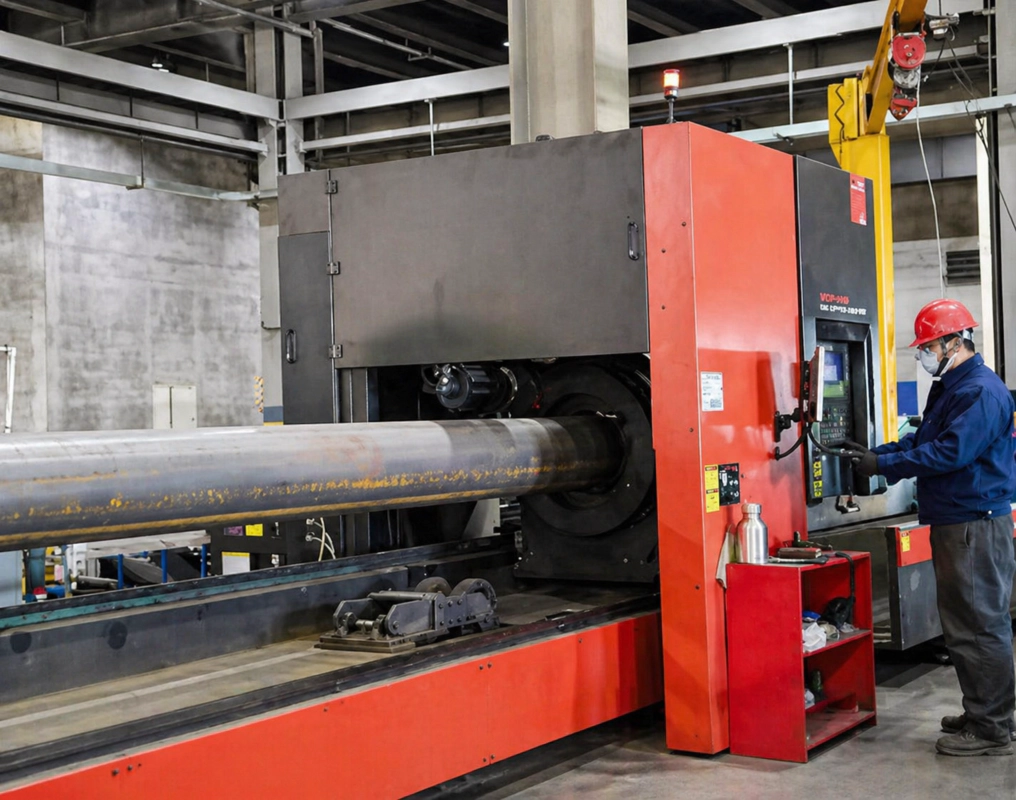
اتخاذ القرار الصحيح: كيفية اختيار حماية نظام نقل الحركة
إذا كنت بصدد تقييم ترقيات المعدات، فإنّ اختيار نظام الدفع المناسب لظروف حقلكم أمرٌ بالغ الأهمية. فإذا كنتم تقومون فقط بتجميع قش القمح الجاف والمتجانس تمامًا على أرض مستوية، فإنّ آلة قياسية محمية بمسامير القص ستعمل بكفاءة عالية لسنوات. سيتدفق المحصول بسلاسة، ونادرًا ما تحدث ارتفاعات مفاجئة في عزم الدوران. ولكن لنفترض أنكم بصدد الانتقال إلى إنتاج السيلاج الكثيف والرطب، أو العمل في حقول محاطة بصفوف أشجار كثيفة حيث تختبئ الأغصان الميتة أحيانًا بين أكوام القش. في هذه الحالة، سيؤدي الاعتماد على مسامير القص إلى انخفاض إنتاجيتكم بشكل كبير.
في البيئات الصعبة، يجب عليك اختيار طراز مزود بقابض كامة إعادة ضبط تلقائي وأرضية قابلة للطي. عند مناقشة المواصفات مع... مورد معدات كبس التبنكن صريحًا تمامًا بشأن مستويات رطوبة محصولك وقوة محرك الجرار الحقيقية. إن دفع 120 حصانًا إلى نظام نقل الحركة في مكبس التبن المصمم لـ 70 حصانًا سيؤدي إلى كسر المسامير القياسية بمجرد الضغط على القابض بسرعة كبيرة.
كيفية استبدال مسمار القص (بالطريقة الصحيحة)
عندما يحدث ذلك، فإنّ الإجراء الصحيح مهم. لقد شاهدنا مشغلين يطرقون مسامير غير متطابقة بمطرقة ثقيلة عبر أذرع غير محاذية، مما أدى إلى تلف محامل التقاطع. تكمن الحيلة في إيقاف تشغيل الجرار تمامًا، وسحب المفتاح، وتخفيف أي ضغط على دوار الالتقاط. قم بتدوير الذراع الدوارة يدويًا حتى تتطابق الثقوب تمامًا.
استخدم دائمًا البرغي المُحدد من قِبل الشركة المصنعة الأصلية (عادةً ما يكون من الفئة 8.8 المترية أو من الدرجة 5 وفقًا لمعيار SAE، حسب الطراز). أدخل البرغي بسلاسة - إذا اضطررت إلى إدخاله بالقوة، فقد تكون فتحات الوصلة متآكلة أو ملتوية قليلًا نتيجةً لضربة سابقة. بمجرد إدخاله، استخدم صامولة قفل (نايلوك) وقم بربطها بإحكام، ولكن لا تضغط بشدة على أطراف الوصلة. سيؤدي برغي القص غير المُحكم إلى تلفه قبل الأوان بسبب الإجهاد الناتج عن الطرق الدقيق داخل الفتحة.
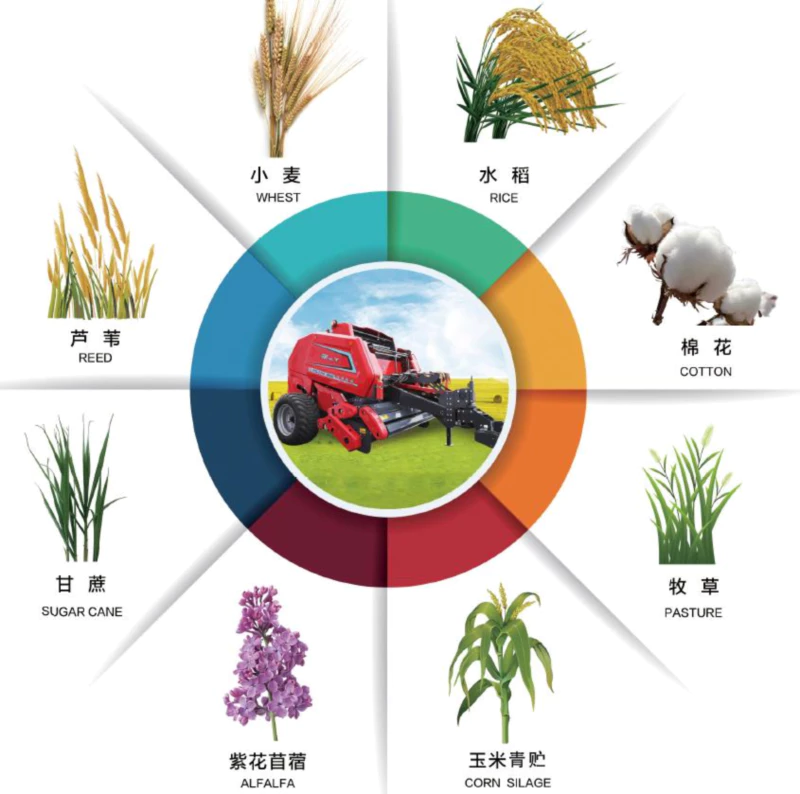
مرونة الحقول متعددة المحاصيل
نظام نقل الحركة المتين والمحمي جيدًا لا يتأثر بأي ظروف. بفضل استخدام تروس تخفيض قوية، تنتقل موديلاتنا المصنعة مباشرة من المصنع بسلاسة تامة من حشائش البستان الخفيفة إلى بالات القش الرطبة والثقيلة للغاية دون أي خلل. كما أن القصور الذاتي الهائل المدمج في الهيكل يتعامل بسلاسة مع كثافات المحاصيل المختلفة، مما يتيح لك حصاد حقول متنوعة دون الحاجة إلى التوقف لتغيير الإعدادات.
ردود فعل واقعية من خطوط الميدان
لا تأخذ النظرية الهندسية على ظاهرها فقط؛ بل استمع إلى المشغلين الذين يعتمدون على هذه الآلات لدفع فواتيرهم.
"عملية كبس السيلاج الرطب هنا في ويلز شاقة للغاية. مع آلتنا القديمة، كنت أستبدل من اثنين إلى ثلاثة مسامير قص يوميًا لأن المحصول كان ثقيلًا جدًا لدرجة أنه كان يُوقف الدوار باستمرار. قمنا بالترقية إلى طراز Ever Power المزود بقابض كامة إعادة ضبط تلقائي وأرضية قابلة للطي. لم أعد أحمل مفتاح ربط في كابينة الجرار منذ ذلك الحين. إنه يعمل بكفاءة عالية."
— غاريث جيه، مقاول ألبان، كارمارثينشاير، المملكة المتحدة
في منطقة بامباس، نقوم بدفع أكوام ضخمة وكثيفة من البرسيم بسرعات عالية. إذا لم تكن الآلة قادرة على استيعاب هذا الحجم الهائل من البرسيم بفضل عزم الدوران العالي، فإن نظام نقل الحركة يتعطل فورًا. يتحمل ناقل الحركة المصمم خصيصًا لهذه المكبسة تقلبات عزم الدوران بشكل ممتاز. بالإضافة إلى ذلك، فإن معرفة نوع مسمار الاستبدال المناسب من دليل المصنع المباشر أنقذنا من إتلاف وصلة الربط.
— ماتيو ر.، منتج تبن، لا بامبا، الأرجنتين
قلب الطاقة: ترقيات علب التروس، والأنظمة الهيدروليكية، ونظام نقل الحركة
كشركة متكاملة تمامًا مصنع مكابس القش الزراعيةنحن ندرك أن موثوقية مكبس التبن تعتمد على جودة الطاقة المُزوَّدة له. لذا، لا نعتمد على قطع غيار ناقل الحركة الرخيصة المُستوردة. بل نقوم بتصنيع وتوريد الأجزاء الداخلية عالية التحمل التي تُبقي أساطيل المزارع عاملة في جميع أنحاء العالم.
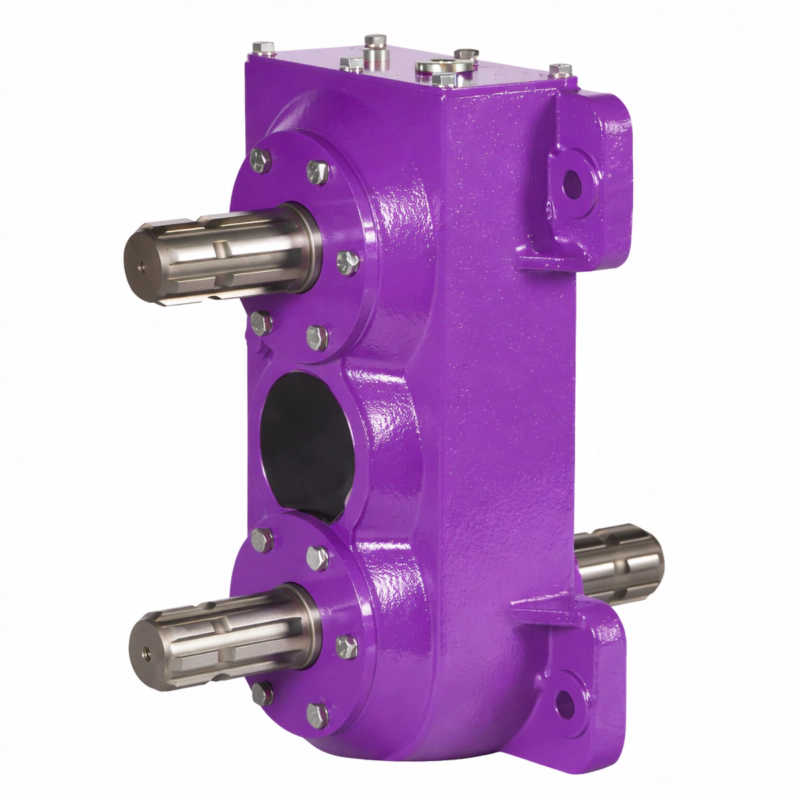
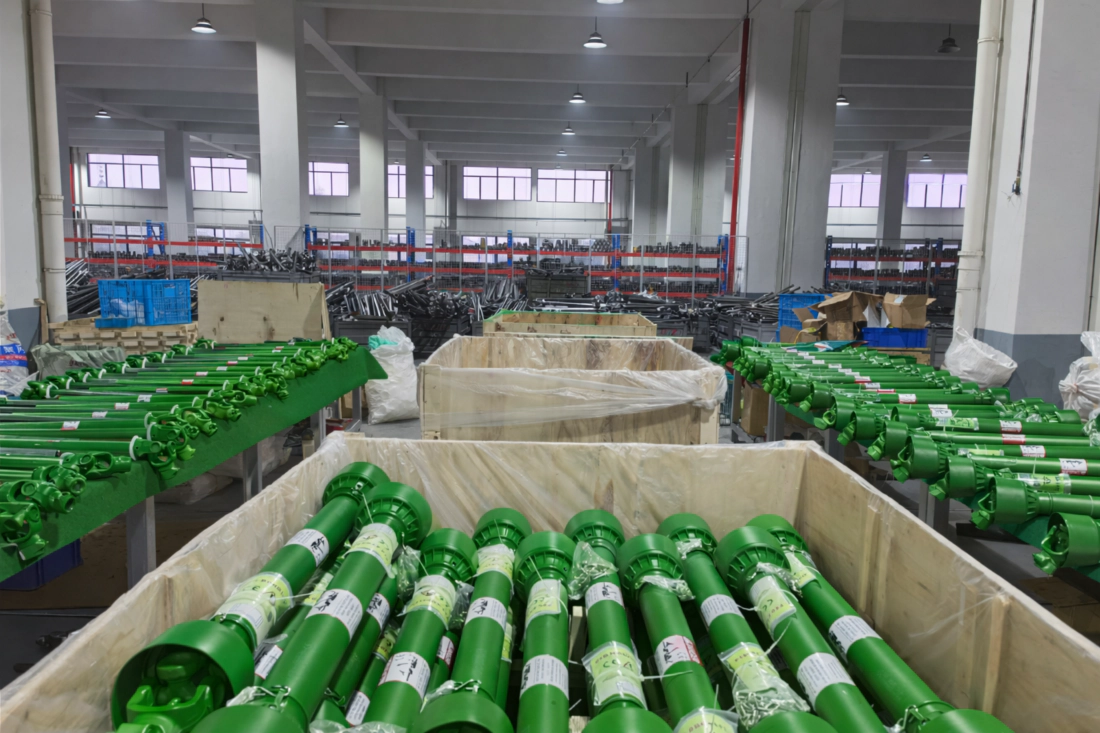
إذا كان نظام نقل الحركة الحالي لديك متآكلاً، فنحن نوفر قطع غيار مصممة خصيصاً. أعمدة نقل الحركة تتميز هذه الآلة بقوابض كامة مدمجة وعجلات حرة الحركة. وبالإضافة إلى علب تروس مكابس التبن عالية العزم وأسطوانات هيدروليكية متعددة المراحل، يمكنك تجديد آلة قديمة بالكامل باستخدام مكونات عالية الجودة من المصنع مباشرة.
الأسئلة الشائعة (استكشاف الأخطاء وإصلاحها والترقيات)
س1: كيف أعرف متى يجب استبدال دبوس القص في مكبس البالات الدائري؟
ج: يجب عليك استبدال مسمار القص الدائري لآلة التجميع فورًا عندما تسمع صوت طقطقة مسموع، أو تلاحظ دوران عمود إدارة الطاقة في الجرار بحرية بينما تظل آلة التجميع ثابتة تمامًا، أو إذا بدا المسمار مثنيًا بشكل واضح أثناء الفحص الروتيني قبل الموسم.
س2: أين يمكنني شراء قطع غيار موثوقة لآلة كبس القش الدائرية مباشرة من الشركة المصنعة؟
ج: يمكنك بسهولة شراء قطع غيار مكبس القش الدائري عالي الموثوقية، بما في ذلك أعمدة نقل الحركة ذات القابض الكامي الممتازة ومسامير القص من الدرجة الأصلية، مباشرة من مصنع Ever Power التابع لنا في هولندا من خلال بوابة الاتصال الآمنة الخاصة بنا.
س3: ما هي تكلفة مكبس بالات القش الدائري شديد التحمل المصمم حسب الطلب من شركة تصنيع أوروبية؟
ج: يختلف سعر المصنع الإجمالي بشكل كبير اعتمادًا على ما إذا كنت تحتاج إلى إعداد سيلاج ذي بكرات ثابتة أو تكوين قش جاف ذي حزام متغير، ولكن الشراء المباشر يتجاوز تمامًا هوامش الربح العدوانية للوسطاء في تجارة التجزئة.
هل سئمت من استبدال مسامير القص باستمرار في التراب؟
قم بترقية عملياتك باستخدام آلات ثقيلة من المصنع مباشرة، مصممة بقوابض إعادة ضبط تلقائية ومتانة لا هوادة فيها.


