Walk onto any field where the harvest is thick, and the absolute worst sound you can hear is the tractor engine bogging down because the machinery behind it is starved for power. As a premier round farm baler manufacturer and a trusted direct factory supplier based right here in the Netherlands, Ever Power has spent nearly two decades engineering heavy-duty forage equipment. The core advantage of our custom-built heavy-duty round farm baler units lies in their highly optimized power-to-weight efficiency. You don’t need to guess if your utility tractor can handle the load, because we specifically design these machines to maximize core density without tearing apart your PTO clutch. In our experience, calculating the exact tractor horsepower requirements for round balers is the single most critical step in protecting your agricultural investment. We’ve seen entirely too many operators buy a massive piece of iron only to realize their rig doesn’t have the torque to actually spin a fully loaded 5×6 chamber.
The Physics of Power Draw: Why Your Tractor Groans
Most operators don’t realize that the power demand of a round baler isn’t static. When you first start rolling a windrow into the chamber, it feels like nothing is back there. But as that core grows—especially in variable chamber machines where belt tension is constantly fighting the expansion of the hay—the torque curve ramps up exponentially. The trick is having enough reserve engine horsepower to handle that final 15% of the bale formation without dropping your Power Take-Off (PTO) RPM below the critical 540 mark.
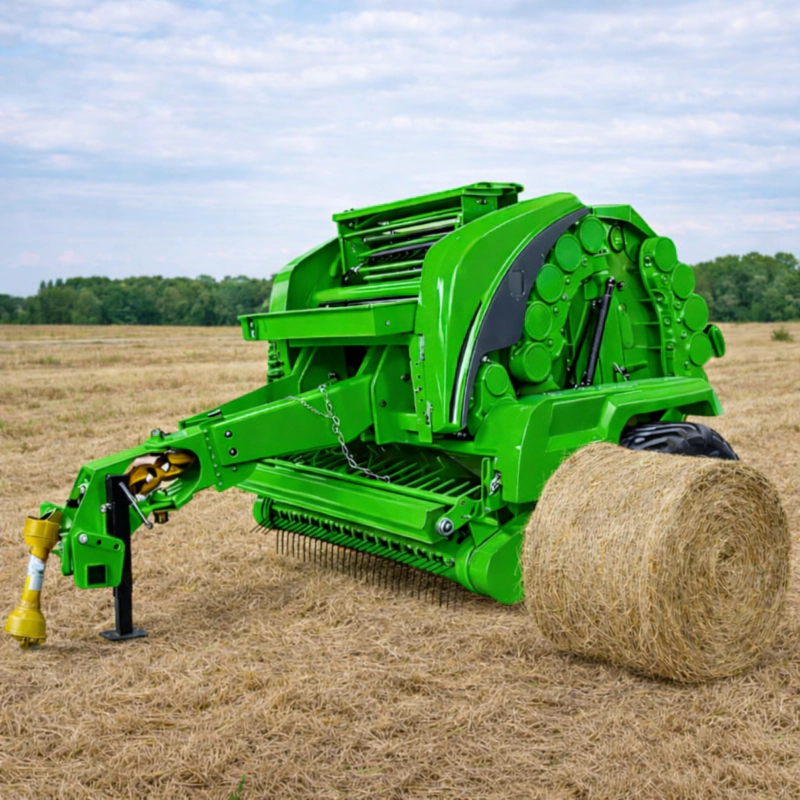
If your RPM drops, your pickup reel slows down, your feed rotor starts chopping the crop instead of sweeping it, and before you know it, you’re climbing out of the cab with a pry bar to clear a massive plug from the intake throat (trust me, digging wet silage out of a rotor mid-season is a nightmare no one wants). We engineer our balers with oversized flywheels and low-friction drivelines specifically to maintain momentum during these high-stress peaks, effectively lowering the minimum hp for round baler operation compared to older, heavier-dragging legacy designs.
Baseline Technical Parameters: Matching HP to Baler Size
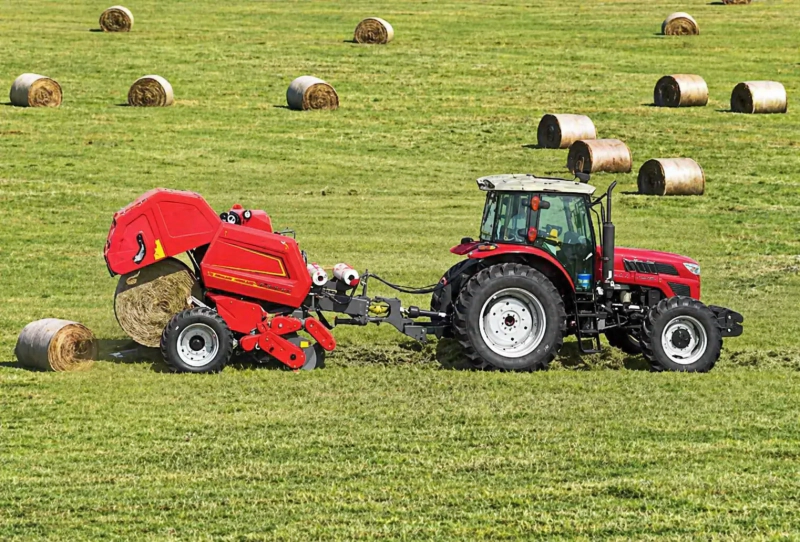
We get asked constantly about round hay baler power requirements. You have to separate engine horsepower from PTO horsepower. Your tractor might say “80 HP” on the hood decal, but by the time that power runs through the transmission and reaches the PTO shaft, you might only be putting out 65 HP. Here is a definitive look at the technical specifications and the actual power required to pull our customized units smoothly through tough conditions.
| Baler Model Series | Bale Size (Width x Dia) | Min. PTO HP | Recommended PTO HP | Operating Weight (kg) |
|---|---|---|---|---|
| Compact Utility (Fixed) | 0.8m x 1.0m | 30 HP | 45+ HP | 1,450 |
| Standard Field (Fixed) | 1.2m x 1.2m | 55 HP | 75+ HP | 2,200 |
| Silage Master (Heavy Roller) | 1.2m x 1.2m | 80 HP | + 100 KM | 2,900 |
| Variable High-Capacity | 1.2m x 1.8m (Variable) | 95 HP | 130+ HP | 3,400 |
Note: Adding a pre-cutter unit (rotor knives) to slice crop as it enters the chamber will instantly add a demand of 15 to 25 extra PTO horsepower depending on how many knives you engage.
6 Engineering Advantages That Lower Your Horsepower Burden
As an application engineer walking the manufacturing floor at our round farm baler factory, I’m obsessed with friction. Friction steals horsepower, burns diesel, and breaks chains. We’ve designed our current lineup to run significantly smoother than standard industry units, which allows you to use a lighter, more fuel-efficient tractor. Here is how we do it:
1. High-Inertia Overrunning Clutch
We equip every driveline with a massive high-inertia flywheel. When you hit a heavy lump of hay, the stored kinetic energy carries the rotor through the plug rather than instantly lugging down the tractor engine.
2. Low-Friction Sealed Bearings
Standard balers use bushings that generate immense heat and drag. We utilize double-row, self-aligning sealed roller bearings on all major drive points to slash parasitic horsepower loss.
3. Camless Pickup Reel Design
By eliminating the heavy, oil-filled cam track found in traditional pickups, we remove dozens of moving parts. This not only requires less power to spin but dramatically reduces maintenance downtime.
4. Adaptive Hydraulic Density
Our custom hydraulic proportioning valves let you dial back core density slightly if your tractor is struggling on steep hills, giving you the flexibility to keep baling without overheating your transmission.
5. Direct-Drive Architecture
We’ve eliminated secondary chain reduction loops wherever possible. Power flows directly from the main gearbox to the drive rollers, ensuring every ounce of PTO power is used to compress the crop.
6. Drop-Floor Intake Management
If you accidentally overload the throat, our hydraulic drop-floor lowers instantly from the cab. You pass the blockage through without ever turning off the PTO, saving immense wear on the tractor clutch from constant restarting.
How to Actually Choose the Right Product for Your Tractor Fleet
It breaks my heart a little when a guy calls up wanting to order our massive 1.8-meter variable chamber unit to pull behind a 60-horsepower utility tractor. You have to be realistic about your equipment ecosystem. Matching machinery isn’t just about reading the brochure—it’s about terrain, crop weight, and ambient conditions.
If you are running on steep, rolling hills, the weight of the baler alone is going to drag your tractor backward. A heavy-duty round farm baler fully loaded with a wet silage bale can easily weigh over 4,000 kg (almost 9,000 lbs). Your tractor needs the physical mass and brake authority to handle that dead weight, regardless of what the PTO horsepower rating says. If you’ve got a smaller utility tractor, we strongly recommend our fixed-chamber compact series. It still gives you the legendary reliability of our factory build but runs happily on 45 PTO HP. Conversely, if you are custom-baling vast flat acreage and own a 150 HP rig, you want to size up to a high-capacity variable baler to maximize your tons-per-hour output.
Product Applications: Moisture Content Changes Everything
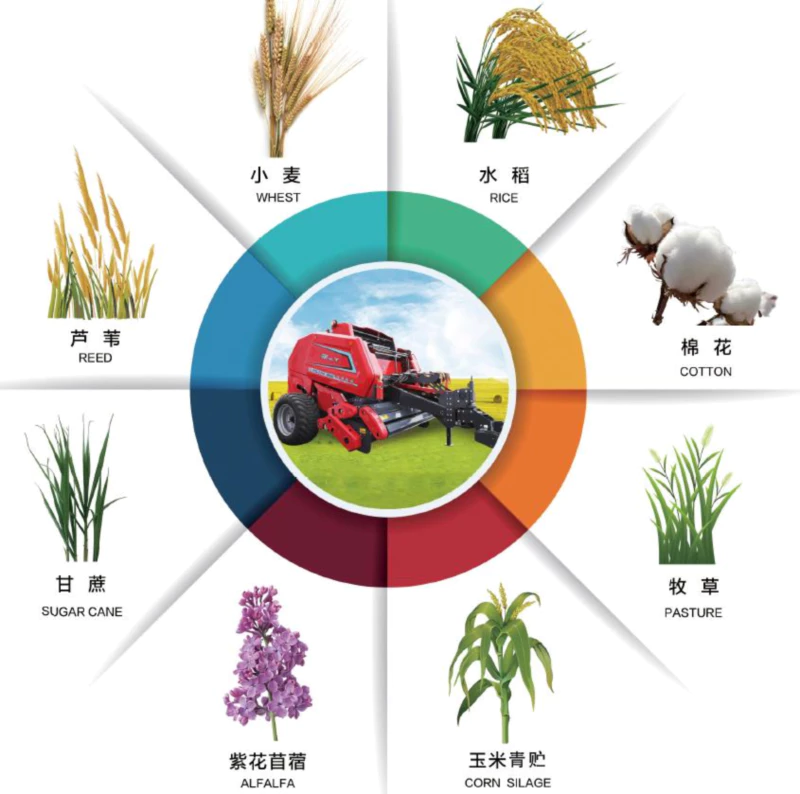
The crop you intend to harvest drastically alters the power you’ll need. Dry wheat straw is incredibly light and fluffy; it requires very little torque to pull into the chamber, but it requires massive mechanical pressure to pack it tight enough so the bale doesn’t explode when you eject it. On the other end of the spectrum, wet alfalfa or ryegrass (often baled at 40% to 60% moisture for silage) is heavy, sticky, and acts like glue inside the chamber.
When you process wet forage, the friction between the steel rollers (or rubber belts) and the crop surface spikes dramatically. We’ve seen PTO loads increase by up to 30% simply by moving from a dry hay field into a wet silage cut in the same afternoon. Our machinery is uniquely calibrated to handle this. We utilize aggressive ribbed profiles on our fixed-chamber rollers that grip wet material securely without requiring excess power to force the rotation. Whether you’re wrapping delicate legume hay, brittle corn stover, or heavy silage, our engineering allows for seamless transition without having to constantly swap out tractors.
Voices From the Field: Grounded Operator Feedback
You can test a machine in a pristine engineering bay all day, but the truth is only revealed when it’s caked in mud, the sun is going down, and rain is on the horizon. Here is what operators across different agricultural landscapes are saying about how our equipment handles power management:
“We run a dairy operation in Bavaria, Germany. The grass here gets incredibly dense and wet by the first cut in May. I was running a 90 HP tractor and honestly worried it wouldn’t be enough to drive a heavy-duty silage unit with a 15-knife cutter engaged. The Ever Power fixed chamber baler blew me away. Because of the direct drive setup and the drop-floor, it never bogged the tractor down once, even on the uphill pulls.”
— Markus K., Dairy Farmer (Germany)
“Baling coastal bermuda down here in Texas means fighting the heat and dry, slick grass. I’m pulling the variable chamber model with a 120 HP rig. What I love is the low-friction bearings they use; the tractor barely burns any diesel compared to my old chain-dragging unit. The belts grip the dry hay perfectly from the core outwards, and the auto-tie sequence is incredibly fast. We’ve customized our setup directly with the factory to get exactly what we needed.”
— Thomas R., Custom Hay Operator (Texas, USA)
Beyond the Baler: Hydraulic Cylinders, Gearboxes, and PTO Solutions
A baler is only as strong as the components transmitting the power. At Ever Power, we aren’t just an assembly plant that bolts together parts bought from unknown vendors. We are a fully integrated agricultural machinery manufacturer. This means we design, forge, and machine our own heavy-duty right-angle gearboxes, high-pressure hydraulic cylinders, and splined drive shafts.
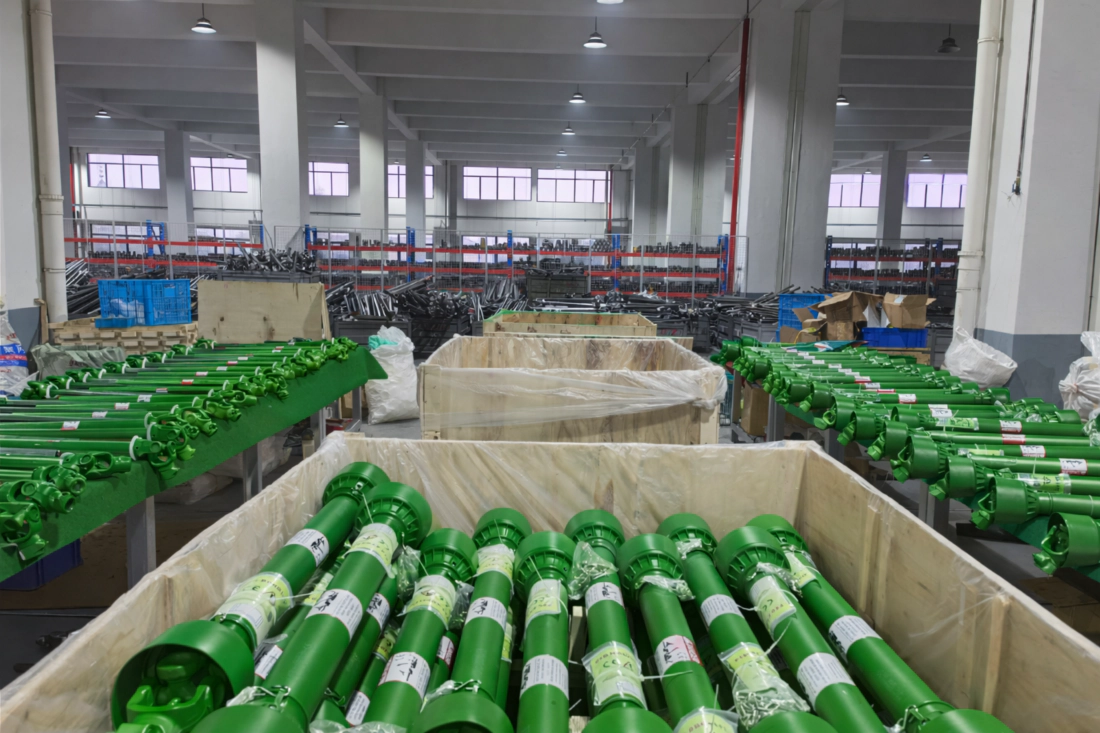
If you ever sheer a pin, blow a hydraulic seal, or need to replace a wide-angle constant velocity (CV) PTO shaft after years of hard turning, you aren’t waiting weeks for parts to arrive from overseas. You deal directly with the factory that built your machine. Our custom hydraulic cylinders are built with hardened chrome rods to resist the corrosive acid found in silage, and our massive cast-iron gearboxes are bathed in synthetic oil to handle high torque loads without overheating. You can explore our full manufacturing capabilities on our Ô nas page, or browse our entire baler lineup here.
Frequently Asked Questions: Powering Your Baler
Over the years, I’ve answered countless questions from operators trying to pair tractors with implements. I’ve compiled the most vital, conversational questions we get asked, helping you navigate your next purchase smoothly.
What size tractor for round baler applications do I actually need to harvest wet silage effectively?
To harvest wet silage effectively, you generally need a tractor with a minimum of 80 to 100 PTO horsepower to handle the extreme density and heavy operating weight of the forage.
Where can I get a custom round baler quote directly from a reputable heavy-duty manufacturer?
You can get a custom quote directly from our Ever Power Netherlands engineering team by reaching out through our website, ensuring you bypass middlemen for factory-direct pricing on custom builds.
How does a custom heavy-duty round baler supplier reduce the total cost of machinery ownership over time?
A specialized supplier reduces your total cost of ownership by engineering machines with oversized drivelines and low-friction bearings, drastically lowering your daily diesel consumption and preventing expensive mid-season mechanical failures.
Which specific baler model offers the lowest minimum hp for round baler operations on small hobby farms?
Our compact utility fixed-chamber series offers the absolute lowest power requirement, allowing you to easily roll dense 0.8m by 1.0m bales using a standard utility tractor with just 30 PTO horsepower.
Ready to Stop Bogging Down Your Tractor?
Don’t waste fuel and risk clutch failure by guessing your machinery match. Connect directly with our engineering team in the Netherlands. We will evaluate your current tractor fleet, analyze your crop types, and build a heavy-duty solution perfectly matched to your operation.


