Описание
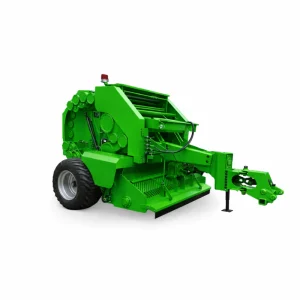
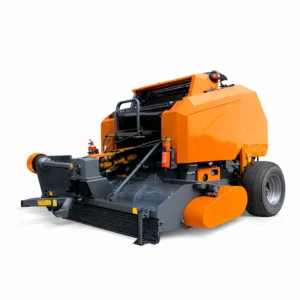
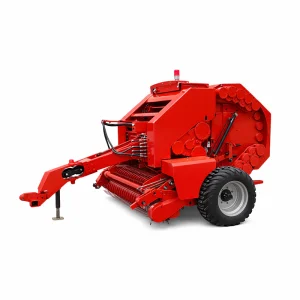
Let’s skip the marketing fluff and get straight to the field reality. When you’re staring down a closing weather window and acres of heavy, wet swath, you need a relentless круглый пресс-подборщик сена that simply refuses to choke. As a dedicated agricultural equipment производитель и напрямую на ферму поставщиквесь наш фабрика operation is obsessed with one thing: engineering maximum density and zero downtime. We’ve seen too many operators lose their crop quality because a poorly designed feeding rotor couldn’t handle the volume. In our experience, you aren’t just buying steel; you are investing in tonnage per hour. That’s exactly why we overbuild the chamber and driveline, ensuring you get aggressive crop intake, rock-solid core formation, and unyielding reliability regardless of the terrain you’re pulling it across.
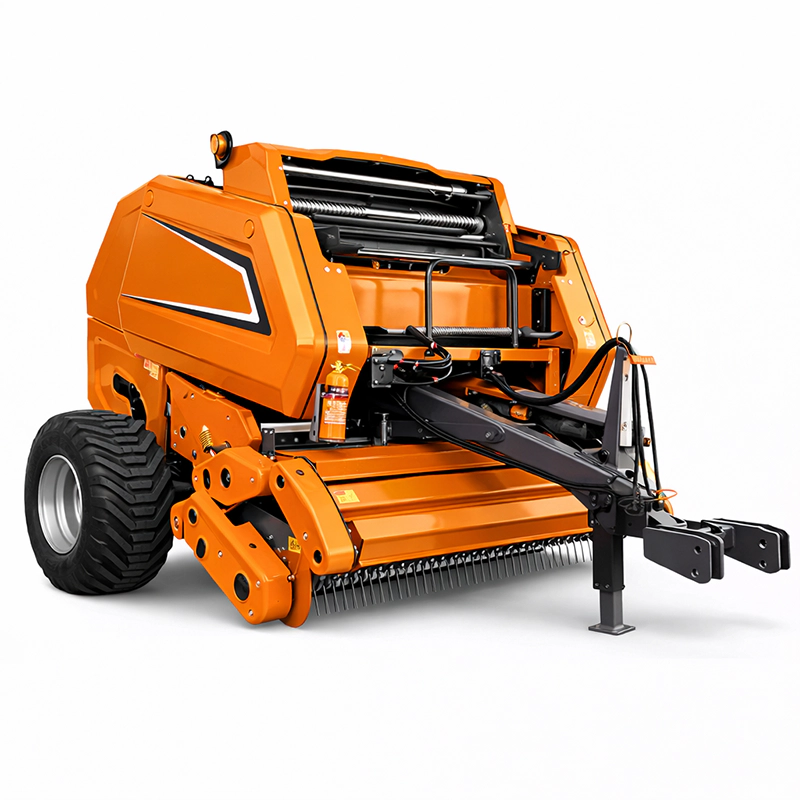
We’ve spent the better part of two decades crawling under these machines, diagnosing driveline shears and belt slips, and I can tell you that the fundamental difference between a toy and a true agricultural workhorse lies in the geometry of the feed. Most operators don’t realize that the way the crop transitions from the pickup tines into the bale chamber dictates 80% of the machine’s efficiency. If the transition is bottlenecked, you end up driving at half speed, burning unnecessary diesel, and bruising the delicate leaves of high-protein forage. We engineer our continuous rolling balers to swallow massive windrows whole, maintaining a smooth, high-velocity crop flow that packs the material incredibly tight before oxygen can ruin the fermentation process.
📋 Technical Specifications
Every operation demands different capacities. Below is the blueprint of our core platforms (we custom-configure these metrics based on your exact tractor horsepower and hydraulic output).
| Элемент | Единица | Спецификация |
|---|---|---|
| Название модели | / | Пресс-подборщик круглых труб 9EP-1.0 |
| Тип сцепного устройства | / | Трейловый |
| Ширина звукоснимателя | мм | 1900 |
| Конструкция захвата | / | Пружинный зубчатый тип |
| Структура питателя | / | Вальцовый барабан типа "Сборщик" |
| Камерный тип для тюков | / | Роликовый тип |
| Ширина камеры для тюков | мм | 1000 |
| Диаметр тюка | мм | Φ1000 |
| Количество роликов | шт. | 16 (Ролики) |
| Диаметр ролика | мм | Φ222 |
| Метод прессования | / | Сетчатая обертка |
| Требуемая мощность | кВт | 40~80 |
| Конструкционный вес | кг | 2640 |
| Скорость ВОМ | об/мин | 720 |
| Габаритные размеры (Д×Ш×В) в рабочем состоянии. | мм | 3750×2300×2020 |
| Контроль плотности тюков | / | Управление датчиками |
| Размер тюка (диаметр × ширина) | мм | Φ1100×1000 |
| Плотность тюков | кг/м³ | 115~200 |
| Производительность | тюков/час | 40~100 |
| Колесная база | мм | 2045 |
| Рабочая скорость | км/ч | 5-20 |
| Технические характеристики сетчатой обертки (Д×Ш) | м | 2000×1,0 м на пресс-подборщик |
⭐ Core Product Advantages Built for the Field
You can read brochures all day, but out in the dirt, the only things that matter are continuous operation and bale density. We’ve stripped away the gimmicks and focused entirely on mechanical superiority. Here is where the engineering actually pays off.
1. Hydraulic Drop-Floor Unblocking
We’ve all pushed a tractor a little too fast into a heavy lump of wet grass (and trust me, digging out a jammed rotor with a pry bar at 9 PM is a nightmare). The trick is our in-cab hydraulic drop floor. If you plug the machine, you simply drop the chamber floor from your monitor, engage the PTO to pass the lump, raise it back up, and you’re baling again in exactly 15 seconds. It saves immense frustration and keeps your PTO clutch intact.
2. True Edge-to-Edge Net Wrapping
A bale that sheds its shoulders is a sponge for rainwater. We utilize a highly tensioned spiral roller system that forces the net wrap to stretch completely over the edges of the bale right before the knife trips. This locks the structural integrity of the outer layer, preventing material loss during loader transport and drastically reducing spoilage when you are forced to store bales outside.
3. Split-Power Driveline Architecture
Running all the power through a single side of the baler is how cheap machines tear themselves apart under heavy loads. We split the massive torque right at the primary T-gearbox. The left side powers the heavy-duty chamber belts or rollers, while the right side handles the pickup and chopper. Balancing the sheer mechanical load means your sprockets aren’t screaming, and your heavy chains actually survive the season.
4. Oversized, Double-Sealed Bearings
The Achilles heel of any high-density baler is the roller bearings taking the radial load during those final ten seconds of bale formation. We don’t skimp here. We use double-row spherical roller bearings encased in heavy cast-iron housings. We’ve also plumbed them into centralized grease banks so you don’t have to crawl under the shields to find hidden zerks.
5. High-Velocity Cam-Track Pickup
While camless designs have their place in dry straw, when you’re pulling wet, heavy silage, you need the tines to act aggressively. Our cam-track design perfectly times the tine retraction to lift the crop and aggressively throw it into the spiral feed augers without dragging material back underneath. It leaves the field looking vacuumed.
6. ISOBUS Intelligent Control Interface
Nobody wants the cab of their tractor looking like an electronics store with three different monitor screens. Our systems plug straight into your existing ISOBUS tractor terminal. You get real-time graphics on left/right chamber filling, active density adjustments on the fly, and automated wrapping triggers right from the screen you already know how to use.
🎯 Sizing It Up: Choosing the Right Machine for Your Acres
I get asked constantly, “Which machine is best?” and the honest answer always depends entirely on your crop moisture and your tractor’s power take-off (PTO). You can’t put a 15-knife chopping baler behind a 75-horsepower utility tractor and expect miracles; you’re just going to burn fuel and slip clutches.
If your primary operation revolves around dry hay or massive volumes of wheat straw, a variable chamber baler equipped with endless belts is absolutely your sweet spot. The beauty of the belts is that they start applying pressure the second the hay enters the core. You get a dense, star-shaped center that keeps the bale structurally sound even if it sits outside for six months. You also get the flexibility to change the bale diameter based on what your buyers or transport trucks require.
However, if you’re dealing with high-moisture haylage or wet silage—where the sap and sugars are thick—belts can sometimes struggle with tracking. In those heavy, wet conditions, we’ve seen operators drastically improve their daily output by switching to a fixed chamber machine with heavy-duty ribbed steel rollers. The steel doesn’t care about sticky residue; it just bites and rolls. It produces a uniform, dimensionally perfect bale every single time, which is critical if you are running it through an automated inline wrapper right after.
🌾 Multi-Crop Application Realities
A good forage baling equipment setup shouldn’t be a one-trick pony. We design these machines to be aggressively adaptable to whatever you’re running them through:
- 🌿 Alfalfa & Legumes: Protein is money. The wide pickup and smooth transition rotor are calibrated to handle the crop gently. You want the leaves in the bale, not shattered on the ground.
- 🌽 Corn Stover: Baling stalks is brutally abrasive. It wears steel out fast. We upgrade the pickup tines and utilize heavier chamber belts that resist the sharp, puncturing nature of dry corn stalks.
- 💧 High-Moisture Silage: The integrated chopping unit slices the crop down to a few inches. This packs the material incredibly tight, expelling the oxygen rapidly, which is the whole secret to achieving perfect lactic acid fermentation without dangerous mold spots.
- 🌾 Dry Straw: Straw is notoriously slick and hard to pack. The active hydraulic tensioning system clamps down hard, squeezing more material into the chamber so you aren’t paying to transport empty air.
💬 Ground Truth: Voices from the Cab
Don’t just take the engineer’s word for it. We constantly monitor how our equipment performs in wildly different climates, and the feedback from the guys sitting in the tractor seats is what drives our next upgrades.
“
Running a commercial custom baling operation in the US Midwest means we beat our machines to death on abrasive corn stover. Ever Power’s reinforced rotors and heavy-duty belts are the only things we’ve found that don’t need replacing halfway through the season. The density is insane; we are packing 20% more weight onto the flatbeds.”
— Mike R., Custom Harvester, Iowa, USA
“
Here in the UK, we chop heavy grass for dairy silage, and the weather windows are brutally short. Pushing 40% moisture used to jam our old machines constantly. The hydraulic drop floor on these new units is a lifesaver. Dropping a blockage from the cab without grabbing a pry bar in the rain is brilliant engineering.”
— Thomas W., Dairy Farmer, Somerset, UK
“
Rolling hills and rough terrain. The wide-angle PTO joints let me turn tight on the headlands without shutting down the PTO. And the edge-to-edge net wrap is super tight—my bales sit outside for 5 months, and the rain just sheds right off. Almost zero bottom spoilage.”
— Liam K., Sheep & Beef Station, New Zealand
⚙️ The Heart of the Machine: Custom PTO Shafts & Gearboxes
You can have the best baling chamber in the world, but if the raw power from your tractor isn’t transferring cleanly, you’re dead in the water. We don’t just assemble the big metal; we obsess over the power transmission. We design, manufacture, and supply the heavy-duty agricultural PTO shafts, gearboxes, and reinforced driveline components that take the brutal torque spikes of field operations.
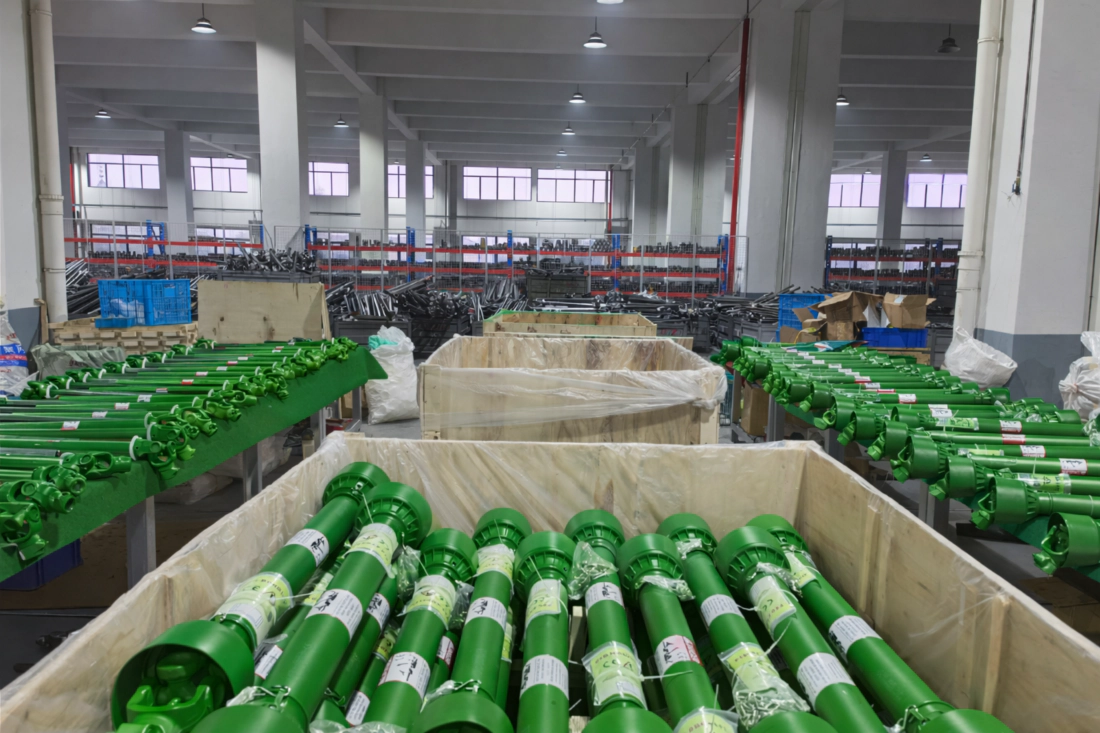
We’ve seen wide-angle joints literally explode because an operator tried to save money on a cheap replacement part and took a corner too tight under full load. Our customized driveline solutions feature premium constant velocity (CV) joints, heavy-duty cam clutches, and precisely calibrated shear bolt systems. They protect your expensive tractor internals the split second your baler hits an immovable rock. Since we control the factory floor, we can configure spline counts, lengths, and gear ratios to match exactly what your current iron requires.
🔧 Shop Talk: Common Operator Questions
Why is my net wrap bunching up in the center of the bale?
In our experience, this is almost always a tension issue or a dirty spreader roll. If the spiral spreader bar gets coated in sticky crop sap, it grabs the net. Keep it clean with a pressure washer, and ensure the brake tension on the net roll is aggressively adjusted.
How often should I actually be greasing the main roller bearings?
If you haven’t upgraded to an auto-lube system, you need to be pumping fresh grease in daily. Ten hours of hard baling creates immense heat and friction. Pushing fresh grease literally purges the microscopic dust and crop debris right out of the seals.
🎙️ Подробные запросы от покупателей (доступен голосовой поиск)
Stop Fighting Your Equipment. Start Maximizing Yield.
Let’s talk specs. Tell us your tractor horsepower and your toughest crop, and we will configure the exact machine and driveline your operation demands to stay profitable.