
⚙️ Buying from a premium heavy-duty round farm baler factory means investing in advanced mechanical field efficiency. As a leading manufacturer and global round farm baler supplier, Ever Power specializes in custom-built agricultural machinery engineered directly at our Netherlands facility to ensure maximum durability. In our experience, learning how to properly clean and winterize your round baler for storage is the single most effective way to eliminate costly spring repair bills and safeguard your machine’s long-term operational lifecycle. Most operators don’t realize that leaving acidic crop residue and trapped moisture inside the chamber over winter slowly eats away at high-tensile steel rollers, stretches drive chains, and degrades expensive hydraulic seals, causing catastrophic breakdown risks when the next peak harvesting window opens.
🛠️ Understanding the Preservation Vibe: An Engineer’s Product Overview
When the last windrow of the season is packed and the cold weather begins to creep in, your natural instinct is to park the tractor, unhook the baler, and head straight inside for a warm drink. I get it, it’s been a long, exhausting harvest. But over my eighteen years working as an application engineer troubleshooting machinery in frozen barns, I’ve seen that what you do with your presă de baloți rotunzi right now completely determines whether it will start up smoothly next spring or cost you thousands in replaced components. A high-performance baler is a sophisticated beast full of tight mechanical tolerances, electronic sensors, and high-pressure hydraulic circuits that do not handle freezing damp environments well if left unprotected.
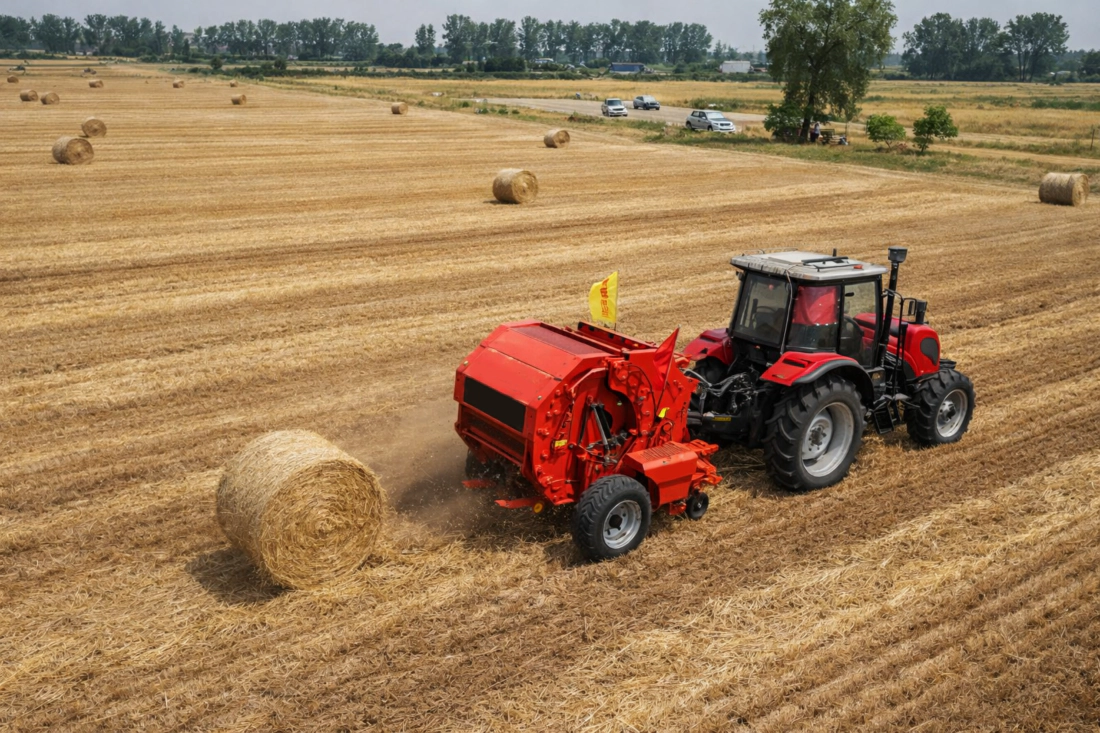
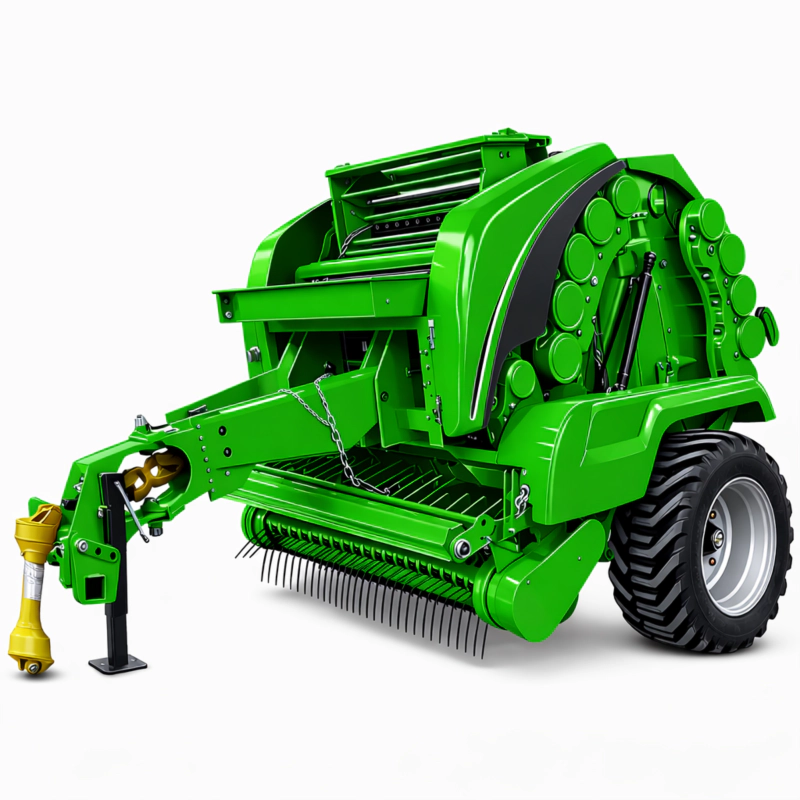
The primary advantage of our latest commercial round hay baler design lies in its open-architecture structural framework, which makes the thorough cleaning process significantly easier compared to legacy machines. We’ve purposely engineered our steel panels to swing completely clear, exposing the internal drive rollers, heavy-duty tensioning belts, and the intricate tying mechanism. The trick is recognizing that crop juice—especially from high-moisture silage or fermented ryegrass—is incredibly corrosive. When left to sit in dark, damp corners, it mixes with ambient moisture to form a localized chemical soup that pits steel shafts and seizes bearings. Proper winterization isn’t just a basic maintenance chore; it’s an absolute extension of your asset preservation strategy that guarantees peak field performance for a decade or more.
📊 Structural Blueprint & Storage Tolerance Benchmarks
Most operators don’t realize how much the specific configuration of their machine influences its winter storage requirements. For instance, a variable chamber machine using long rubber belts requires a completely different tension-release protocol during hibernation compared to a fixed-chamber model built with heavy steel rollers. To keep your hardware safe, we’ve compiled the critical technical specifications and storage metrics across our primary industrial equipment classes.
| Equipment Class | Chamber Infrastructure | Tying Protection Needs | Recommended Storage Fluid | Est. Base Factory Price (USD) |
|---|---|---|---|---|
| Utility Compact Series | Fixed Chain/Roller (0.8m x 1.0m) | Manual Twine Needle Greasing | ISO VG 68 Chain Lubricant | $7,200 – $11,500 |
| Pro Commercial Field Master | Fixed Steel Roller (1.2m x 1.2m) | Dual Twine & Net Wrap Anti-Rust Coating | Premium Lithium EP2 Greasing | $19,000 – $31,500 |
| Silage Heavy-Duty Specialist | Heavy Duty Mono-Body Roller (1.2m x 1.5m) | Automated Net-Wrap Injector Cleaning | Synthetic Gearbox Oil 80W-90 | $36,000 – $54,000 |
| Industrial Variable Master | Premium Heavy Belt Variable (Up to 1.8m) | ISOBUS Automated Electronic Desiccant | Bio-Degradable Hydraulic Oil HFDU | $59,500 – $88,000 |
🌟 6 Engineering Advantages That Simplify Mechanical Winterization
We build machinery with the end user’s operational reality constantly in mind. Cheaply manufactured balers feature complex, buried components that make thorough cleaning nearly impossible, practically guaranteeing internal decay. At Ever Power, our custom structural design provides distinct advantages that make the end-of-season preservation process quick and flawless:
Full-Access Swing Panels
Our side shields and tailgate liners are mounted on heavy-duty gas struts, swinging up completely out of the way so a leaf blower or air compressor can blast out packed chaff instantly.
Centralized Auto-Lubrication Banks
Instead of searching for forty hidden grease zerks in the freezing cold, our machinery groups major grease points into accessible central banks, allowing you to flush out old moisture with a few strokes.
Anti-Corrosive Powder Shielding
Every structural member undergoes a multi-stage chemical wash before receiving our marine-grade automotive powder coating. This prevents rust from creeping under the paint if moisture condenses inside the barn.
One-Touch Belt Tension Release
Our variable chamber models incorporate an intuitive mechanical lever that instantly releases hydraulic storage tension from the heavy-duty rubber belts, completely avoiding over-stretching during freezing storage.
Retractable Tying Knife Cassettes
The tying mechanism’s cutting blade can be completely removed as an isolated cassette. This allows you to bring the precision blades inside the workshop for sharpening and anti-rust coating.
Substantial Mono-Body Roller Shafts
Our solid steel rollers are machined with integral shafts, eliminating welded flanges. This completely avoids internal moisture pooling points inside the core rollers where invisible rust typically starts.
🤔 Matching Your Storage Infrastructure to the Right Product Configuration
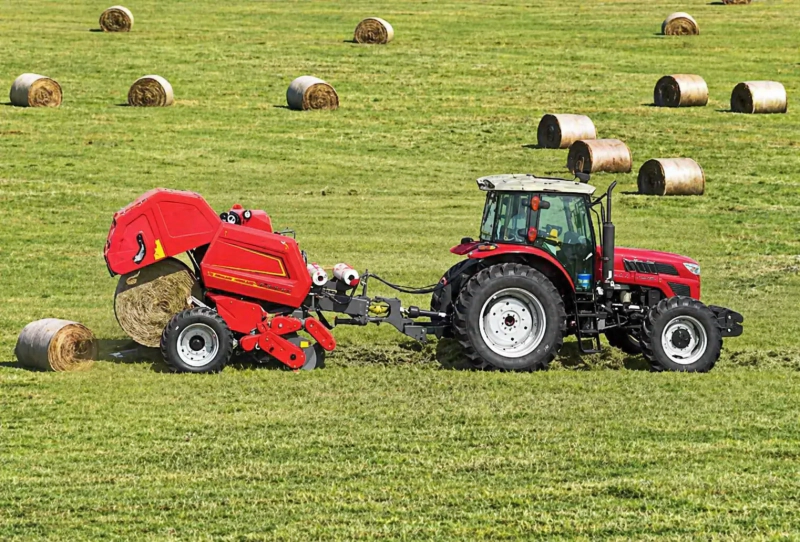
Here’s a hard operational truth that most sales representatives will completely gloss over: your cold-season storage capacity should dictate the exact type of machinery you choose to purchase. If you do not have access to an enclosed, weatherproof machinery shed and plan on parking your equipment under an open lean-to—or worse, out in the elements with a cheap tarp thrown over it—you should avoid variable belt-chamber machines entirely. Stretched rubber belts left exposed to freezing winds and UV degradation will rot and crack within three seasons, no matter how much winterization spray you apply.
For outdoor or semi-exposed winter storage environments, a heavy-duty fixed-chamber machine built with steel rollers is a significantly more forgiving asset. Steel can be completely sealed against atmospheric moisture with a thorough coating of specialized storage oil or fluid anti-rust compounds. On the other hand, if you possess a climate-controlled machinery bay or dry indoor storage and pull immense acreage of high-value alfalfa annually, the variable chamber remains the elite choice for maximizing tonnage per bale. Don’t buy more iron than your storage layout can protect; match the engineering to your property infrastructure.
🌾 Field Applications & Crop Residue Realities
The specific crop application of your machine completely dictates the aggressiveness of the cleaning required during winterization. For example, if you spend your summer solely processing dry wheat straw, your main concern is fine dust buildup inside the electrical control boxes and tracking on the chain sprockets. A high-volume blast of compressed air will clean the machine perfectly in under an hour. Dry dust doesn’t harbor moisture, meaning rust risk is minimal.
However, if your primary application involves wrapping high-moisture silage, fermented ryegrass, or sticky sweet forage like sorghum-sudangrass, you are dealing with a completely different animal. The sap and juice squeezed out during high-density core compression stick to everything like glue. Over a season, it hardens into a thick layer of organic concrete that traps highly acidic moisture directly against the metal skin. For these heavy applications, a thorough power washing with a specialized neutralizer is mandatory, followed immediately by spinning the machine at full PTO speed to shed water before spraying down every moving assembly with protective barrier lubricants.
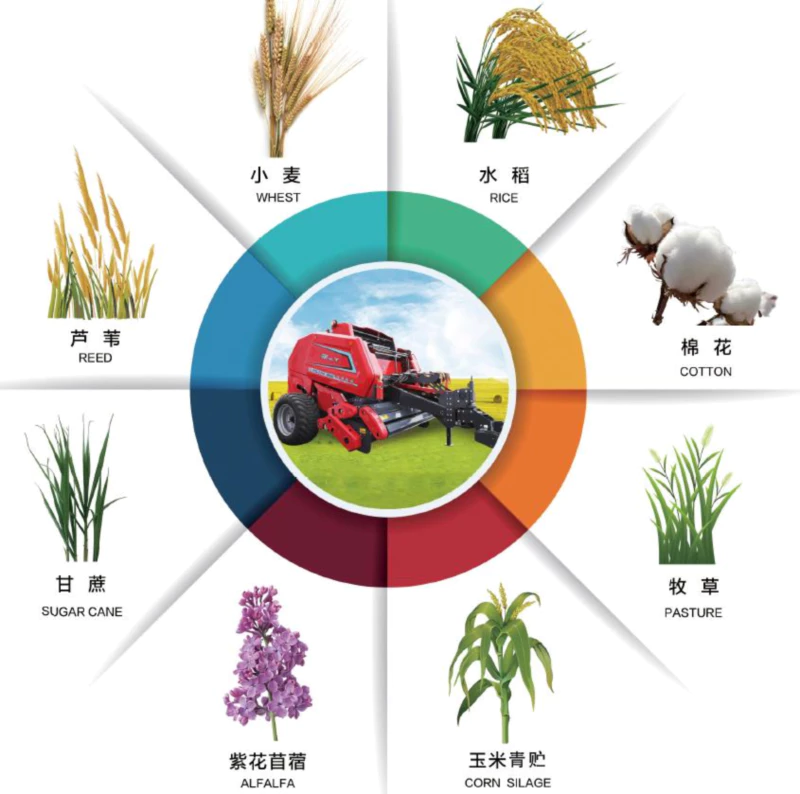
Figure 3: Different forage types leave varying chemical residues inside the rolling chamber, necessitating distinct cleaning protocols.
🗣️ Field Realities: Authentic Insights From Our Global Owners
I always emphasize that real mechanical engineering isn’t validated in our pristine laboratory—it’s proved when an operator fires up a machine after six months of sub-zero storage and expects it to tie flawlessly on the first rotation. We keep in touch with commercial growers globally to ensure our engineering adjustments handle localized atmospheric storage conditions perfectly.
“Winter down here in Hokkaido means burying snowdrifts and sub-zero temperatures for months on end. We store our Ever Power Silage Specialist in an unheated machine shed. The centralized grease bank allowed us to flush all the condensed water right out of the main bearings before the freeze hit. Fired it up this spring, and the hydraulic tailgate locked tightly on the very first bale without a single sticky valve. The direct factory customization for heavy moisture management makes a massive difference.”
— Kenji Takahashi, Commercial Rice Straw Contractor (Asahikawa, Japan)
“We pull massive acreage of dry alfalfa under intense seasonal pressure. My biggest concern with our old baler during winter storage was rodent damage—mice would get inside the twine boxes and chew the automated wiring harnesses to pieces. The sealed, heavy-gauge steel storage boxes on this Ever Power variable machine completely locked the pests out. Firing up the machine after a long winter was completely stress-free; no electrical faults or chewed lines whatsoever.”
— Marcus Vance, Forage Production Manager (Canterbury, New Zealand)
⚙️ Direct Factory Component Customization: Hardened Cylinders & Heavy-Duty Gearboxes
Winterization is also the absolute prime window to perform proactive component replacements. If you noticed your tailgate creeping open slightly during the final week of harvest, or heard a slight rumble coming from your primary driveline, do not leave it until spring. Because we manage a fully vertical component manufacturing division at Ever Power, we provide direct factory access to heavy-duty hydraulic cylinders, robust right-angle main gearboxes, hardened pick-up tines, and heavy-duty drive sprockets.
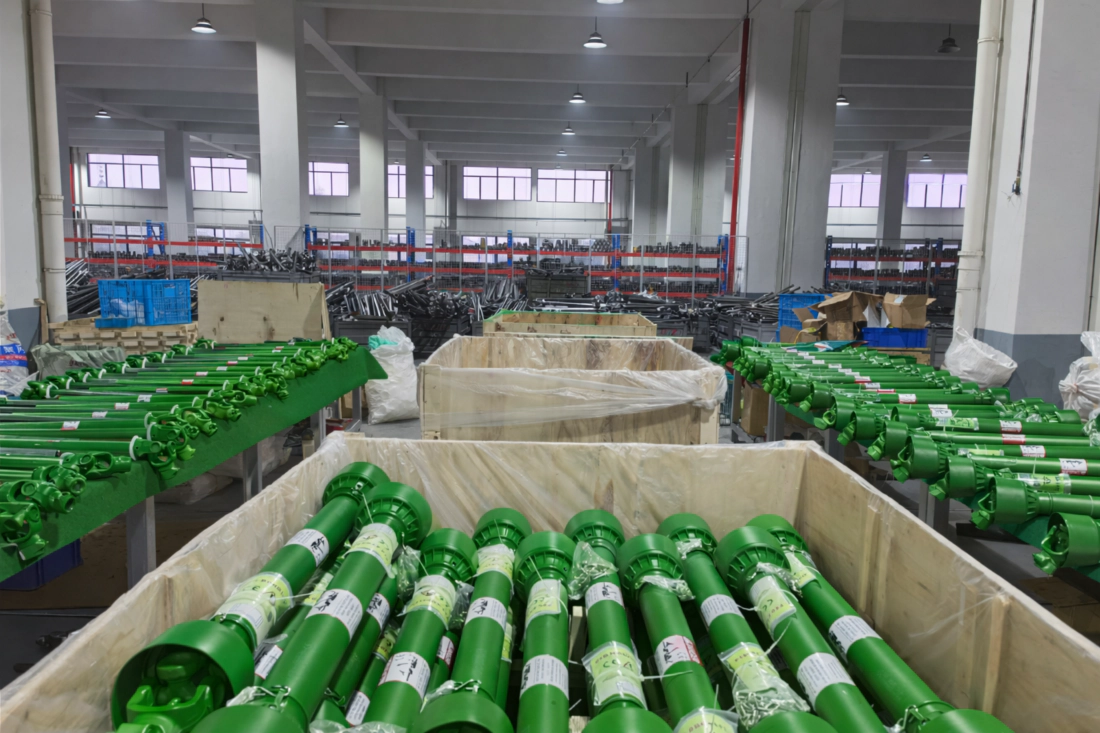
Figure 4: Direct factory replacement PTO shafts and transmission assemblies built to handle high-torque winterization stresses.
Our internal engineering specialists design our heavy-duty hydraulic rams with specialized double-lip viton seals that maintain extreme pressure flexibility even when temperatures drop to forty below zero, entirely avoiding oil weeping. Our main power transfer gearboxes feature robust cast-iron housings and oil-immersed helical gears that run cooler under dense load constraints. When you partner directly with our team, you bypass middleman markups and secure immediate factory-level technical support. You can explore our historical operational legacy on our despre noi page, or head straight to our pagină principală to examine our full structural agricultural manufacturing footprint.
❓ Frequently Asked Questions Regarding Baler Cleaning and Winter Storage
Over my long engineering career, I’ve answered nearly every technical question regarding cold-season hardware maintenance. Here are the most vital, highly conversational inquiries we receive from growers looking to optimize their storage operations.
What is the exact automatic mini round baler cost estimate for high-moisture silage operations in winter climates?
An authentic automatic mini round baler cost estimate generally ranges between $6,500 and $11,500 direct from our factory. The final price depends heavily on whether you select specialized anti-corrosive roller updates or automated twine-tying configurations designed specifically to survive harsh winter storage cycles.
How much does a commercial round hay baler cost from an authentic direct factory supplier?
A robust commercial round hay baler typically requires an investment between $19,000 and $54,000 when sourcing directly from an established factory supplier. Choosing a direct supplier allows you to customize the core mechanical features, ensuring your investment matches your exact local crop and storage layout.
Which precise variable chamber round baler price guidelines apply to custom operators with limited indoor storage?
For high-capacity custom operators, variable chamber round baler price guidelines fall between $45,000 and $88,000. If you have limited indoor storage, we strongly advise incorporating our heavy-duty weatherproofing shields and selecting an endless rubber belt configuration to guard against wet winter conditions.
Where can I submit a detailed vehicle checklist to get a custom round baler quote immediately?
You can submit your exact tractor parameters and field requirements directly through our online engineering portal to receive a customized round baler quote from our Netherlands headquarters within twenty-four hours, entirely bypassing third-party distribution markups.
Protect Your Fleet Asset Before the First Frost Hits Your Fields
Don’t risk unexpected springtime downtime. Reach out to our senior application engineering group today to get a custom machinery inspection blueprint or a direct factory replacement parts quote.


