There is absolutely nothing more frustrating than looking in your tractor mirror and seeing a perfectly rolled bale explode across the field because the twine or net wrap failed to engage. As a leading heavy duty round farm baler factory and direct manufacturer based in the Netherlands, we’ve seen every mechanical disaster you can imagine out in the field. When you work with a trusted supplier like Ever Power, you quickly learn that consistent tying isn’t magic—it’s pure engineering. Over the past 18 years on the assembly floor and in muddy paddocks, I’ve diagnosed thousands of tying mechanisms. The trick is knowing exactly where to look when things go wrong, and more importantly, understanding how upgrading to a precision-engineered round baler can eliminate these profit-killing delays entirely. Let’s dig into the mechanical realities of why your machine is leaving you with broken bales, and how a properly configured setup from a dedicated manufacturer changes the game.
1. Incorrect Twine or Net Wrap Tension (The Silent Killer)
Most operators don’t realize how sensitive the tension plates are, especially when transitioning between different brands of net wrap. If the tension is too loose, the wrap won’t cut cleanly; if it’s too tight, the feeding rollers will snap the material before it ever makes a full revolution around the core. In our experience, adjusting these tension springs blindly in the field usually makes the problem worse. You end up chasing the tension setting all afternoon as the ambient humidity drops and the crop dries out.
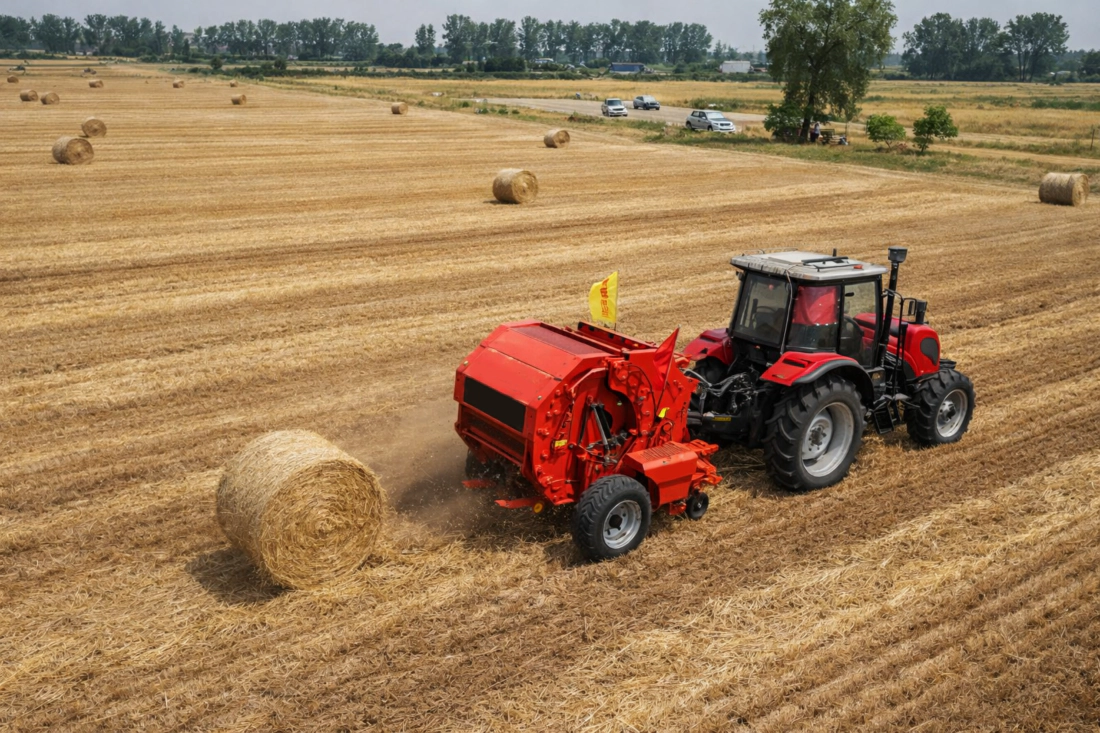
This is exactly why our custom heavy duty round farm baler lineup utilizes an active, digitally monitored tensioning system. The overview of our product design is simple: we remove the guesswork from your hands. By routing the net wrap through a specialized series of forged steel spreader rolls, our machines apply uniform stretch across the entire width of the bale, ensuring perfectly wrapped edges whether you are running dry wheat straw or heavy, high-moisture alfalfa. Our balers are purpose-built to withstand the rigors of high-volume commercial farming, giving you the advantage of uninterrupted throughput even when crop conditions change mid-afternoon.
2. Debris Buildup on the Feed Rollers
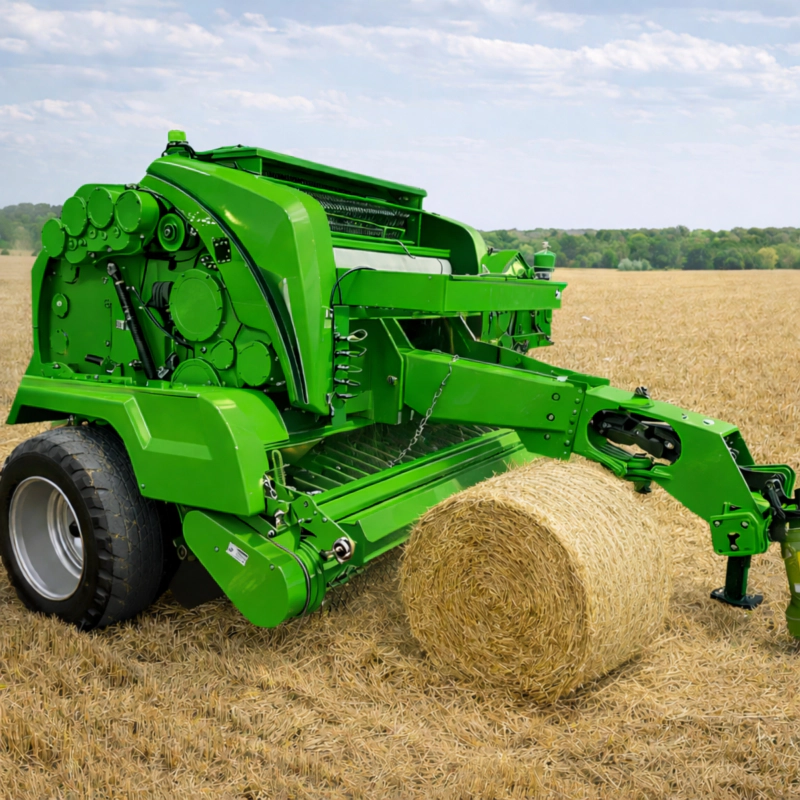
Sticky sap, mud, and fine crop dust act like concrete when mixed together on a rubber feed roller. When the net wrap tries to feed into the chamber, it sticks to this buildup and wraps around the roller itself instead of the bale—a catastrophic mess that takes hours to cut free with a pocket knife while the sun beats down on your neck.
The application of your machine dictates how fast this buildup happens. Baling high-sugar crops or late-season wet silage requires a machine explicitly designed to shed this material. We engineered our balers with aggressive, self-cleaning scraper bars mounted directly against the drive rollers. Whether you’re in the dairy regions of Northern Europe packing heavy, wet ryegrass, or down in Texas rolling brittle coastal bermuda, our balers adapt. By keeping the rollers polished clean automatically, the wrap glides flawlessly into the chamber every single time.
3. Dull or Damaged Cutting Knives
If your net wrap is tearing unevenly or your twine looks frayed at the ends, your cutting mechanism is either dull, misaligned, or fighting a weak actuator spring. A ragged cut leaves a tail dragging behind the bale. That tiny tail can easily get caught in the rotating chamber and pull the entire wrap right back off the bale as you eject it onto the ground.
We build our tying mechanisms using hardened, forged steel blades that strike against a precision-machined anvil. But precision isn’t just about the blade—it’s about the underlying technical parameters that govern the entire machine’s timing. To understand why our direct factory machines don’t suffer from these timing lags, you need to look at the raw specifications of our equipment.
| Baler Series | Chamber Dimensions | Tying Mechanism | Cutting Actuation | Min PTO HP |
|---|---|---|---|---|
| Compact Fix-Core | 0.8m x 1.0m | Twine / Net Option | Mechanical Spring | 35 HP |
| Standard Commercial | 1.2m x 1.2m | Dual Twine + Net | Hydraulic Assist | 65 HP |
| Silage Heavy-Duty | 1.2m x 1.5m | Wide Net Wrap Auto | Electronic Actuator | 90 HP |
| Variable Master Pro | Up to 1.8m dia. | ISOBUS Controlled Net | Direct Hydraulic Cut | 120 HP |
4. Hydraulic Pressure Drops and V-Belt Slippage
A tying cycle requires sudden, highly precise mechanical movements. If the hydraulic cylinders that actuate the wrapper arms have failing internal seals, or if the main drive V-belts have stretched even an inch, the timing of the wrap injection will be a fraction of a second too late. By the time the wrap hits the chamber, the bale has already spun past the critical catch point.
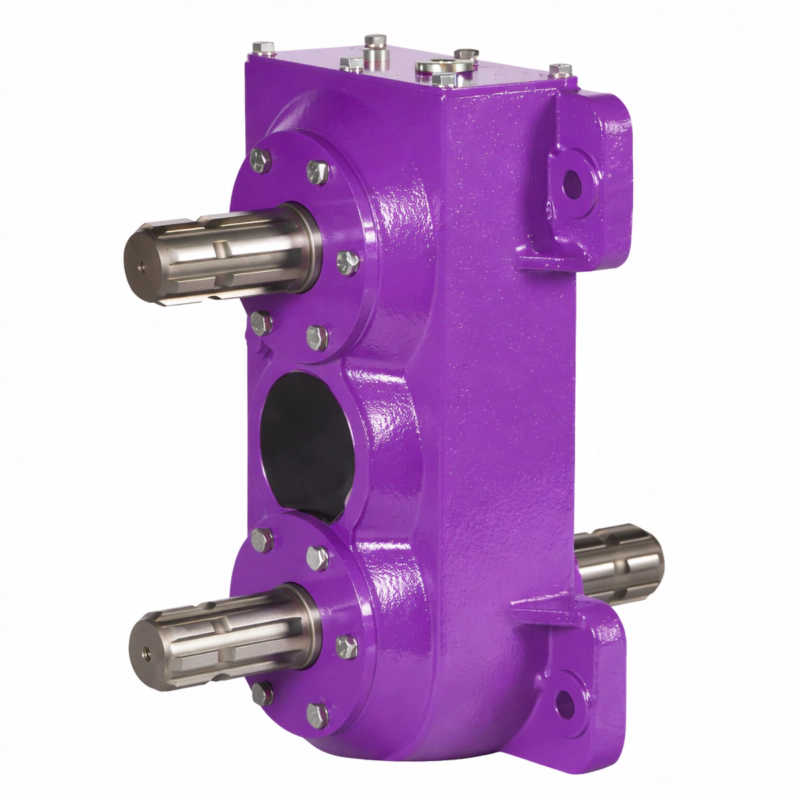
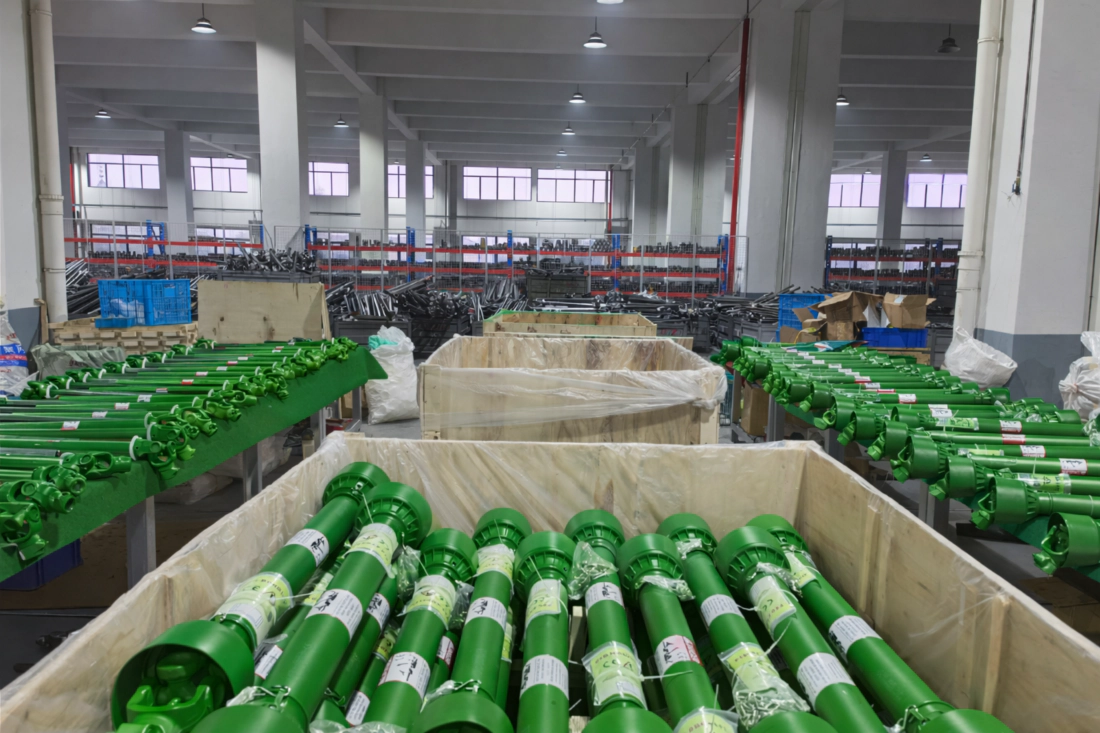
This is a fantastic time to point out that we don’t just assemble balers; we manufacture the critical driveline components that actually keep them running. Ever Power provides heavy-duty hydraulic cylinders, robust right-angle gearboxes, and premium PTO shafts designed specifically for extreme agricultural loads. When your tractor sends power back to our machines, it flows through our proprietary cast-iron gearboxes that simply do not overheat or slip. This guarantees that the tying mechanism receives 100% of the required kinetic energy exactly when the in-cab monitor calls for it. No hesitation, no missed ties. We also maintain a full inventory of replacement parts, so if you ever need a custom CV joint or a hydraulic ram, you are dealing directly with the people who built the original machine.
5. Mismatched Machine Configuration to Crop Volume
Sometimes the problem isn’t a broken part at all—it’s that you are asking a light-duty utility baler to compress 2,000-pound wet silage bales. When the chamber is overloaded beyond its structural designed capacity, the internal friction is so extraordinarily high that the bale stops spinning entirely. If the bale isn’t rotating inside the chamber, it physically cannot pull the twine or net wrap around itself.
So, how do you choose the right product to avoid this nightmare entirely? You have to evaluate your maximum crop density, annual acreage volume, and actual tractor PTO horsepower before you ever look at a price tag. If you are a small hobby farmer putting up 300 dry hay bales a year, our compact fixed-chamber model is your best friend. It runs smoothly on a 35 HP tractor, won’t break the bank, and ties flawlessly every time. However, if you are a custom contractor dealing with heavy, wet forage on a massive scale, you absolutely must step up to our Variable Master Pro with heavy-duty endless belts and a drop-floor intake. The trick is getting the physics right from day one. When you contact us for a quote, we will run the numbers on your specific farm layout. We will never sell you a machine that doesn’t match your exact field reality.
6 Engineering Advantages Built Into Every Ever Power Machine
We don’t build cheap, disposable machinery that falls apart after two seasons. When you buy direct from our factory, you are investing in a heavy-duty platform that guarantees dense, tightly wrapped bales. Here are six distinct advantages our equipment brings directly to your harvest:
1. Forged Steel Chamber Rollers
Unlike hollow welded tubes that warp under pressure, our rollers are forged from solid steel billets, providing unyielding core compression even with highly moisture-laden crops.
2. Over-Sized Diamond Drive Chains
We’ve eliminated chain stretch and sprocket jumping entirely by using oversized, pre-tensioned industrial diamond chains across the entire primary driveline.
3. Advanced ISOBUS Monitor Integration
Watch the bale form in real-time from your cab. Our digital monitors allow you to adjust net wrap layers and edge tension without ever stepping off the tractor.
4. Hydraulic Drop-Floor Anti-Clog
Hit a massive lump in the windrow? Simply press a button to lower the intake floor hydraulically, pass the plug through directly, and keep baling without manual digging.
5. Camless Wide-Sweep Pickup
By removing the complicated cam track, we drastically reduced moving parts and maintenance. The high-speed tines sweep fields incredibly clean at high tractor speeds.
6. Integrated Pre-Cutter Knives
For silage producers, our selectable 15-knife or 25-knife rotor chops the crop as it enters, increasing bale density by up to 20% and making winter feeding dramatically easier.
Grounded Field Feedback: What Actual Operators Say
I can talk about engineering specs and tolerances all day long, but machinery proves its worth out in the dirt. We stay in close contact with our clients globally to ensure our customizations actually work in their specific local climates.
“We run a large sheep and beef operation in New Zealand. The spring grass here is incredibly lush and wet, and our old baler would constantly miss the net wrap because the rollers would gum up by noon. We switched to the Ever Power Silage Heavy-Duty model three seasons ago. The self-cleaning scraper bars have completely eliminated our tying issues, and the sheer density of the bales means we use less stretch film overall.”
— Liam H., Pastoral Farmer (Canterbury, New Zealand)
“Baling alfalfa in the heat of a Spanish summer means you have a tiny window before the leaves shatter and you lose all your protein. I need speed above everything else. The direct hydraulic cut on the ISOBUS net wrap system acts instantly. I’m kicking out perfectly tied, edge-to-edge wrapped bales without ever having to stop and re-thread the machine. Getting our customized setup direct from their Netherlands factory was the best equipment decision we’ve made.”
— Carlos M., Forage Contractor (Zaragoza, Spain)
Frequently Asked Questions: Troubleshooting & Upgrading
I get calls almost every day from operators trying to diagnose field failures or looking for a quote on a more reliable machine. To save you some time researching, here are the most common, highly specific conversational questions we help farmers resolve.
How much does a custom heavy duty round farm baler cost for a commercial hay operation?
A fully customized heavy duty round farm baler typically ranges from $28,000 to $65,000 depending on whether you require a variable chamber, specialized pre-cutter knives for silage, or advanced ISOBUS electronic tying monitors to support a high-volume commercial-scale hay operation.
What is the best way to stop my net wrap from tearing on wet silage bales?
The absolute best way to stop net wrap from tearing on wet silage is to reduce your spreader roll tension slightly, ensure the cutting anvil is sharp, and confirm your feed rollers are equipped with heavy-duty scraper bars to prevent sticky debris buildup.
Where can I get a direct quote from a round farm baler manufacturer in Europe?
You can get a direct, customized machinery quote right here from Ever Power, as we operate our own manufacturing facility in the Netherlands and ship specialized agricultural equipment directly to farmers globally without massive third-party dealer markups.
Why is my round baler twine failing to cut when rolling dry wheat straw?
When rolling very dry wheat straw, twine usually fails to cut cleanly because the bale density is too low to provide the necessary resistance against the twine arm, or the mechanical actuator spring on the knife assembly has stretched and requires immediate replacement.
Stop Fighting Your Machine in the Field
If you are tired of losing crop and wasting precious daylight due to constant tying failures, it’s time to upgrade to a machine built for true commercial durability. Let our engineering team in the Netherlands configure a baler that perfectly matches your crop type and tractor horsepower.


