
Real Talk from the Barn Floor: If you’ve ever had a variable chamber belt snap at 7 PM with a massive storm front looming on the horizon, you know it’s not just a mechanical failure—it’s an absolute financial emergency. Let’s talk about how to stop that from happening this season.
As a leading round baler manufacturer and direct agricultural baler factory, we understand that maintaining optimal belt tension is the absolute secret to high-density bale formation. Finding a dependable hay baling equipment supplier ensures you get premium components, but knowing how to inspect and service your round farm baler belts is what keeps your harvest moving smoothly. Engineered in our Netherlands facility, our custom machines utilize a heavy duty round baler belt tracking framework that eliminates field slippage, offering professional operators a rugged factory-direct solution that outperforms standard market offerings day in and day out.
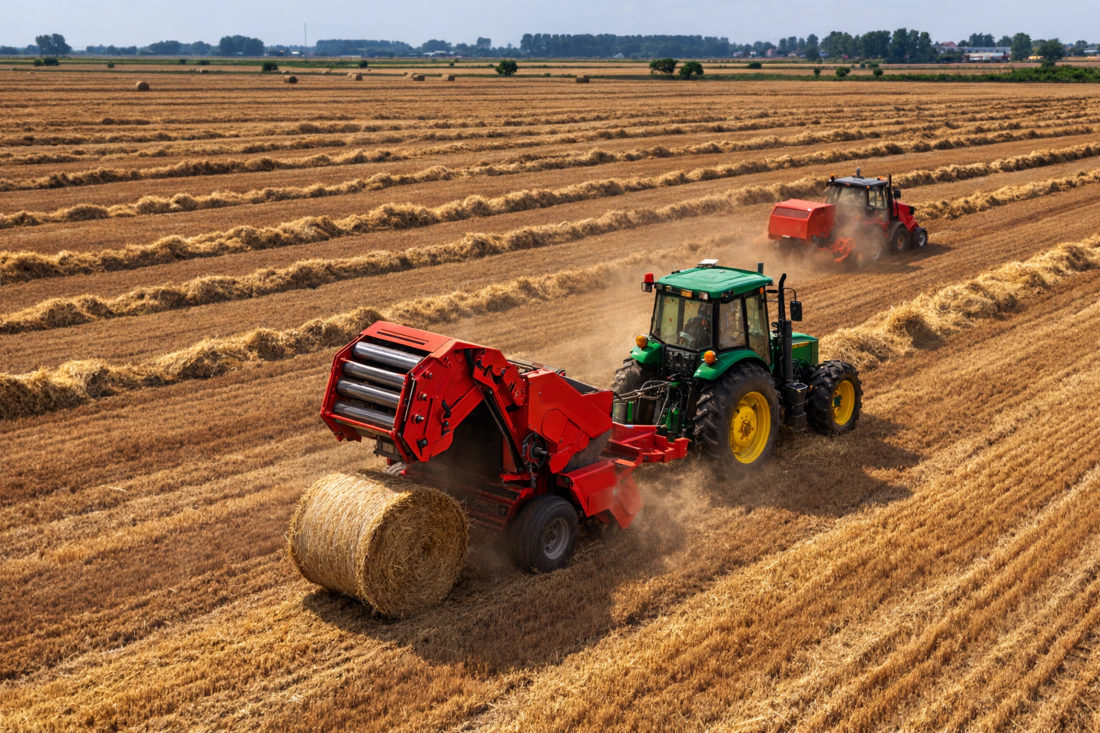
The Lifeline of Your Variable Chamber: An Overview
In our experience running these beasts across thousands of hectares, most operators don’t realize how much silent torture a set of belts actually endures. We are talking about constant flexing over heavy-duty rollers, intense friction, aggressive crop juices, and blistering summer heat. The trick with a premium enfardadeira de fardos redondos para serviço pesado is how the belt layout interacts with the tensioning gates. If your belts are unevenly stretched—even by just an inch or two—the chamber will pack material unevenly, leading to lopsided bales that are a total pain to wrap or transport.
We’ve seen guys try to squeeze one more season out of frayed alligator laces, only to end up tearing up an entire internal roller assembly when the splice finally lets go inside the chamber. Regular inspection using a structured round baler belt inspection guide isn’t just about avoiding a breakdown; it’s about maintaining that perfect, dense core that keeps your silage fresh and blocks out spoilage-inducing oxygen.
Factory Technical Parameters & Maintenance Thresholds
When you are trying to figure out how to replace round baler belts safely, you need exact physical numbers to work with. Here is a look at the technical specs our engineering team uses at our main assembly line.
| Belt Specification Parameter | Standard Pro Series (Dry Hay) | Heavy-Duty Silage Special |
|---|---|---|
| Material & Ply Rating | 3-Ply High-Tensile Synthetic Rubber | 4-Ply Heavy-Duty Premium Texture Compound |
| Standard Width Options | 178 mm (7 inches) per belt segment | 220 mm wide profile optimized for wet wrap |
| Maximum Allowable Length Variance | ± 25 mm across the entire set | ± 15 mm strict tracking tolerance |
| Recommended Lacing Style | Heavy-Duty Spring Pin Mechanical Fasteners | Seamless Endless Vulcanized (No mechanical joint) |
| Core Hydraulic Tension Limit | 180 Bar continuous pressure | 230 Bar extreme high density profile |
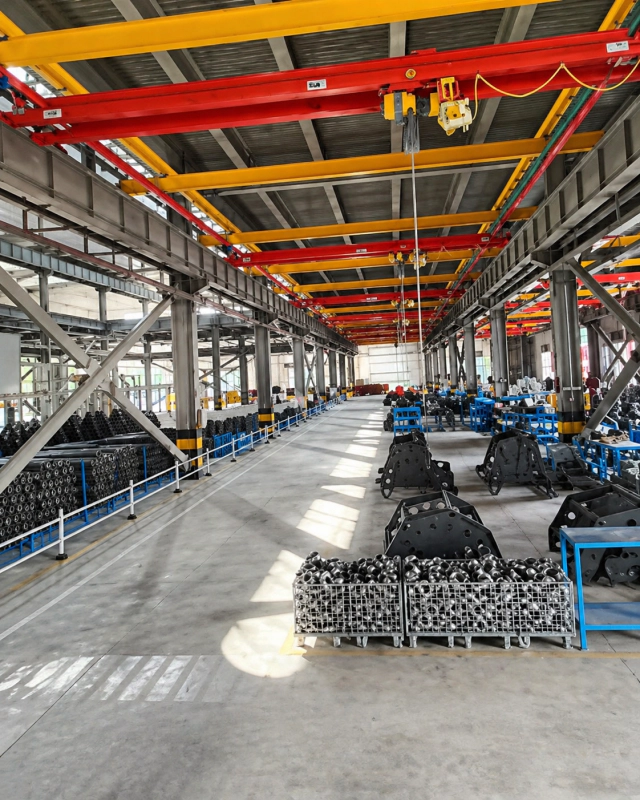
Built to Last: 6 Major Advantages of Our Chamber Components
Why do some operators change their belts every two seasons while our direct factory clients go year after year on the original set? It comes down to deliberate manufacturing design choices made in our specialized facility.
1. Scuff-Resistant S-Tread Surface
Our specialized textured pattern channels slick moisture and plant sap away instantly. This ensures an aggressive, non-slip grip on the crop core from the very first rotation, even when handling heavy autumn silage.
2. Sealed Edge Fray Protection
Most standard belts fail because the sides fray when rubbing against the chamber walls. We utilize an advanced vulcanized edge sealing treatment that completely locks the internal fibers against mechanical chafing.
3. Low-Stretch Poly-Core Plies
By utilizing tightly woven premium polyester inner fabrics instead of basic nylon strands, our belt configurations maintain structural length integrity under massive hydraulic tension loads over several years.
4. Self-Cleaning Roller Profiles
The integration of spiral scraper bars on our drive rollers continuously clears debris. This stops dirt and crop residue from baking onto the rollers and stretching your belts out of line.
5. Advanced Proportional Hydraulics
Our customized valve systems prevent sudden hydraulic shock spikes when releasing the tailgate. It cushions the belt tension retraction smoothly, cutting down stress fatigue on the belt laces dramatically.
6. Quick-Splice Repair Compatibility
Even if an external object causes a puncture, our belt architecture supports fast mechanical re-lacing right in the field with standard heavy-duty vice tools, getting you back to baling in twenty minutes.
Sifting Through the Options: How to Choose a Round Baler Belt Configuration
Most operators get entirely focused on tracking down the lowest variable chamber baler belt repair bill and forget to look at what they are actually baling. If your farm is primarily putting up crisp, slick wheat straw or delicate alfalfa where preserving high-protein leaves is your number one goal, a smooth or mini-rough top belt layout works perfectly. It handles the dry material gently without tearing up the crop.
But now, if you are shifting over into heavy silage or wet balage, smooth belts are an absolute disaster. Plant sugars leak out and act like grease, causing the belts to lose traction and slip over the drive rollers. For high-moisture conditions, you need a full diamond-top or deep-groove textured belt system that mechanically bites into the wet mat. Make sure you talk to a professional hay baling equipment supplier to check your tractor’s hydraulic volume output before upgrading to high-pressure tension systems; a machine starved of steady oil flow will never track its belts straight.
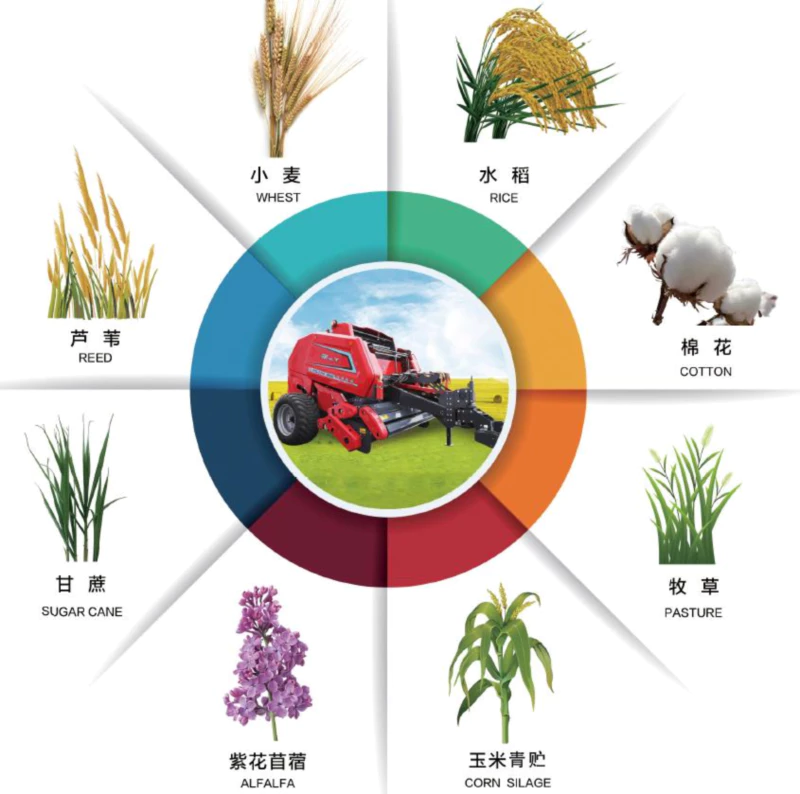
Multi-Crop Field Applications
Our rugged machinery configurations are engineered to handle a massive spectrum of bundleable crops without requiring a complete overhaul in the shop. You can move effortlessly from low-density hay meadows to dense, woody corn stalks or tough sorghum forage. The secret lies in adjusting the responsive mechanical spring tension guides on the side plates, allowing the chamber to swell naturally based on the physical resistance of the material you are processing.
Real Reports from the Field Lines
Wrenching on agricultural machinery requires clear, honest feedback from operators who make their living out in the dirt. Here is how our equipment holds up under localized farming pressures.
“Running a custom variable-chamber baler here in the wet valleys of Brittany means we are constantly fighting belt slippage in high-moisture ryegrass silage. We sourced a full set of textured 4-ply belts from this factory last spring. The mechanical grip is phenomenal—no more sticky sap buildup or chamber choking. They still look brand new after 4,000 bales.”
— Pierre-Yves L., Forage Contractor, Brittany, France
“Out here in the Riverina district, summer temperatures regularly hit 42°C during harvest, and cheap rubber belts stretch like taffy, messing up our bale density completely. Ever Power’s low-stretch polyester core completely solved our belt tracking issues. Their factory team even custom-cut our belt lengths to match our older model rollers perfectly.”
— Harrison G., Lucerne Grower, Riverina Region, Australia
An Integrated Power Ecosystem: Custom Components & Parts Support
As a fully integrated agricultural baler factory, we don’t just stitch rubber belts together and call it a day. A belt is only as reliable as the mechanical torque driving it. That is why our manufacturing core specializes in producing top-tier, high-reduction baler gearboxes, heavy-duty hydraulic gate cylinders, and precision-balanced drive components.
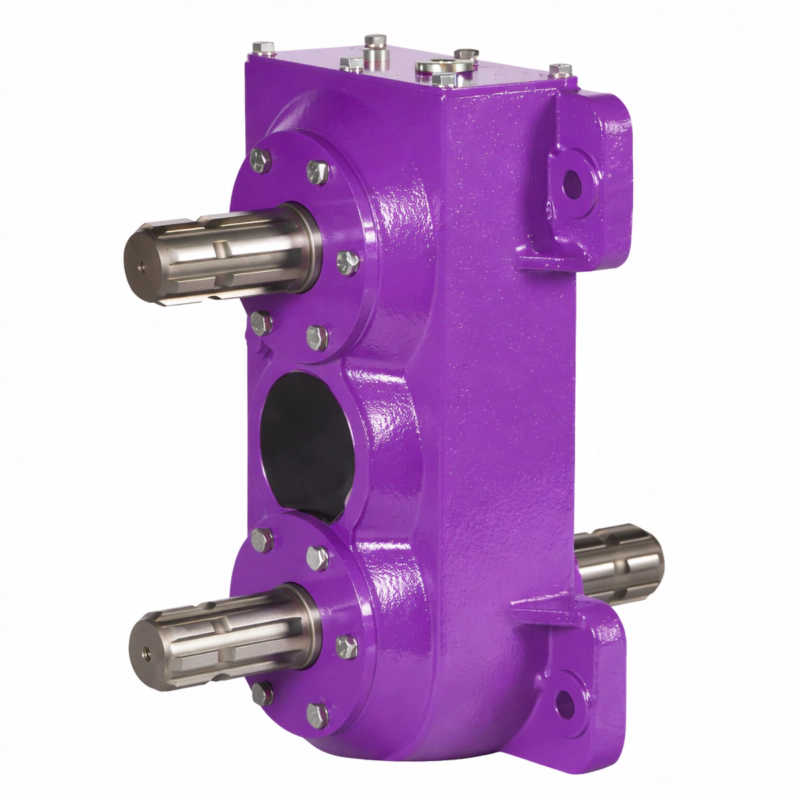
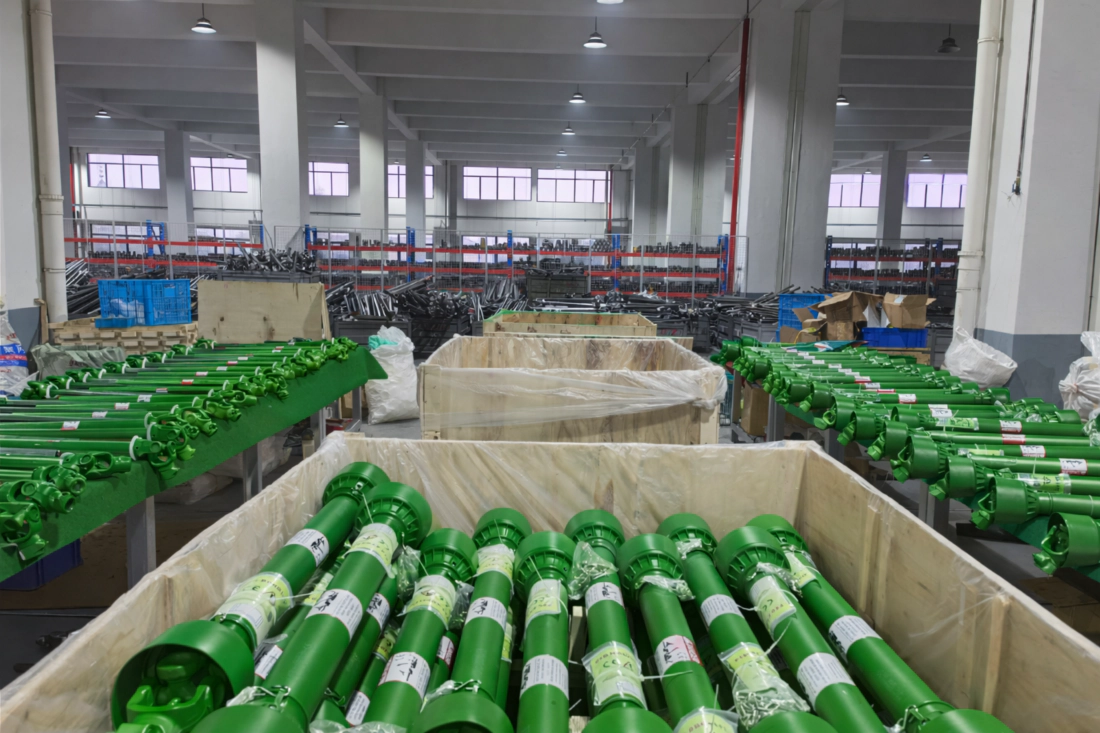
Our heavy-duty, balanced transmission arrays ensure that raw torque flows smoothly from your tractor PTO down through the central gear hub, eliminating the vibration harmonics that cause premature belt tracking errors or chassis frame stress cracks.
Frequently Asked Questions (Belt Maintenance & Sourcing)
Q1: Where can I buy durable round farm baler belts in Europe?
A: You can purchase highly engineered, premium round farm baler belts directly from our advanced production factory in the Netherlands at Ever Power, or through our verified global supplier channels by dropping us an inquiry online.
Q2: What is the average cost of heavy duty round baler belt replacements when buying direct?
A: The overall replacement price depends on your specific width and ply thickness requirements, but ordering direct from our agricultural baler factory cuts out middleman overheads, ensuring optimal value for commercial operators.
Q3: How often should you inspect your variable chamber baler belt splice tracking system?
A: In our experience running field crews, you should run through a complete belt and alignment inspection checklist every 500 bales or right before your first major pre-season cut to prevent minor snags from turning into expensive field emergencies.
Tired of Dealing with Slipping, Frayed Baler Belts?
Upgrade your variable chamber with heavy-duty, factory-direct components engineered for high-density baling performance.


