Descrição
Entrar no campo com uma enfardadeira de feno confiável não se resume apenas a enrolar a colheita — trata-se de proteger toda a sua produção da safra. Como fábrica própria e fornecedor líder com sede na Holanda, dedicamos anos ao desenvolvimento de nossos equipamentos para oferecer a densidade, a resistência às intempéries e a retenção de nutrientes exatas que seus fardos exigem. Encontrar um fabricante que realmente entenda a terra, a poeira e a umidade inesperada no campo faz toda a diferença quando você está correndo contra uma tempestade iminente. Nossas máquinas robustas são construídas para maximizar seu tempo de atividade, reduzir seus custos operacionais e produzir fardos perfeitamente uniformes sempre.
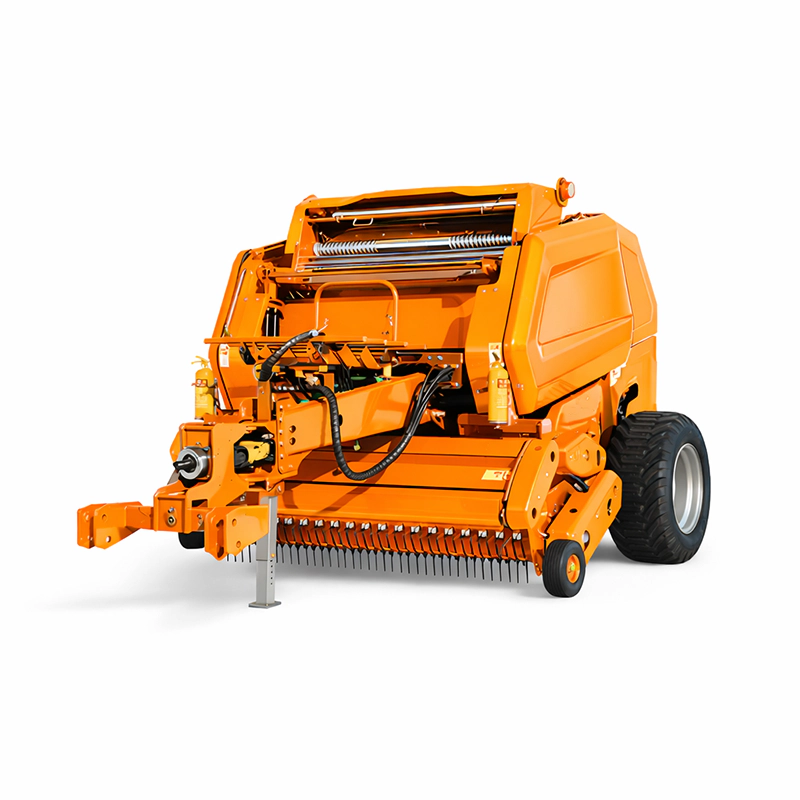
🚜 Desmontando o equipamento: uma visão geral honesta
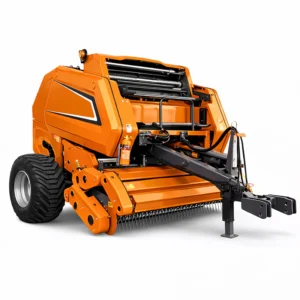
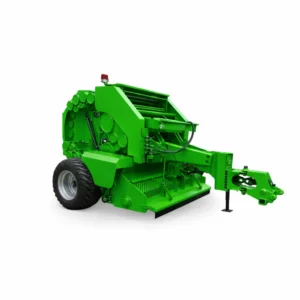
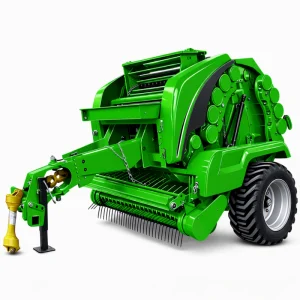
Olha, já vimos isso centenas de vezes: as pessoas compram um equipamento novo e brilhante baseado em um folheto, só para descobrir que ele trava em leiras pesadas na primeira semana da temporada. Em nossa experiência, o verdadeiro valor de uma enfardadeira de feno cilíndrica está em sua capacidade de adaptação. Essas máquinas pegam colheitas cortadas e rasteladas — como alfafa, capim-bermuda ou até mesmo silagem úmida e difícil de manusear — e as comprimem em cilindros densos e resistentes às intempéries.
A principal vantagem aqui é a preservação. Ao compactar bem o fardo, você reduz a exposição ao oxigênio dentro da colheita, o que evita a deterioração e mantém o valor nutritivo. Muitos operadores se concentram apenas na aparência externa, mas o segredo é obter a densidade ideal do núcleo desde a primeira rotação. Ao contrário de um ambiente de escritório, onde a maioria das impressoras só percebe que está sem tinta no pior momento possível, nossos monitores avançados para enfardadeiras fornecem feedback em tempo real sobre a pressão da câmara, o status da rede de amarração e o formato do fardo, diretamente da cabine do trator. Isso significa que não há necessidade de adivinhar, nem fardos desproporcionais, e muito menos frustração em jornadas de trabalho de 14 horas.
Construímos essas unidades para suportar condições extremas. Há pedras, terrenos irregulares e, às vezes, materiais mais resistentes do que o esperado (quem já enfardou palha de milho sabe exatamente do que estou falando). Uma enfardadeira bem projetada absorve esses impactos por meio de uma transmissão robusta e um recolhedor inteligente, mantendo sua operação em movimento em vez de parada junto à cerca com uma caixa de ferramentas.
⚙️ Parâmetros técnicos (personalizáveis)
Sabemos que cada fazenda opera de forma diferente. Um produtor de leite em Wisconsin tem necessidades completamente diferentes de um prestador de serviços de feno no Texas. Abaixo, apresentamos a estrutura de nossas especificações técnicas. Mantemos essas especificações totalmente adaptáveis porque fabricamos exatamente o que você precisa.
| Item | Unidade | Especificação |
| Nome do modelo | / | Enfardadeira de palha tipo 9EP-1.25A |
| Método de acionamento | / | Transmissão por correia |
| Largura da enfardadeira | mm | 2150 |
| Estrutura da enfardadeira | / | Tipo de mola |
| Estrutura de entrada | / | Faca + Lâmina + Tela |
| Estrutura de Imprensa | / | Aço soldado |
| Largura da Sala de Imprensa | mm | 1250 |
| Comprimento da Sala de Imprensa | mm | Φ1200 |
| Número de unidades de trabalho de prensa | / | 18 (seções) |
| Diâmetro do rolo | mm | Φ222 |
| Método de britagem | / | Tipo de rede |
| Fonte de energia | kW | ≥75 |
| Peso da estrutura | kg | 4472 |
| Potência de saída Velocidade do eixo | r/min | 540-1000 |
| Condições de trabalho | / | Tipo para exterior (C×L×A) |
| Controle da densidade da grama | / | Controle do conversor de frequência |
| Tamanho da grama (Largura × Altura) | mm | Φ1300 × 1400 |
| Densidade da grama | kg/m³ | 100-200 |
| Taxa de rendimento | / | 40-100 |
| Diâmetro do rolo | mm | 2450 |
| Velocidade de operação | km/h | 5-35 |
| Tamanho da tela (C×L) | / | 2000 × 1,25 m / apartamento |
💡 Por que os operadores continuam usando nossos equipamentos
Não nos limitamos a montar peças; desenvolvemos soluções baseadas em décadas de experiência prática com os operadores que utilizam esses equipamentos em campo. Eis o que realmente diferencia nossas máquinas quando a pressão aumenta:
1. Densidade central implacável
Já vimos fardos de concorrentes cederem após algumas semanas no pátio. Nossa tecnologia de câmara variável utiliza correias sem costura reforçadas e um sistema de tensionamento especializado que aplica pressão constante do centro do fardo para fora. Isso significa mais colheita por fardo, menor custo de transporte e fermentação superior para silagem.
2. A picape “faminta por faixas”
Não há nada pior do que entupir a entrada de ar. Projetamos um molinete de recolhimento extra largo e sem came, com dentes bem próximos uns dos outros. O segredo está no defletor de rolos integrado, que pré-comprime a leira antes que ela atinja o rotor, garantindo um fluxo suave e contínuo da colheita, mesmo em leiras irregulares e com torrões.
3. Desconexão do piso removível
Até mesmo os melhores operadores entopem a máquina ocasionalmente (geralmente ao forçar a velocidade para evitar a chuva). Em nossa experiência, obrigar o operador a sair e arrancar a colheita manualmente é perigoso e uma perda de tempo. Nosso sistema hidráulico de piso rebaixado permite desentupir obstruções diretamente da cabine do trator em menos de 10 segundos.
4. Envolvimento de rede de ponta a ponta
Um fardo só é tão bom quanto a sua embalagem. Nosso sistema exclusivo de embalagem em rede estica a malha diretamente sobre os ombros do fardo. Isso retém a colheita, evita o acúmulo de umidade na superfície e torna os fardos muito mais estáveis para empilhamento triplo no celeiro.
5. Sistemas de transmissão reforçados
Durabilidade não se finge. Utilizamos rodas dentadas de aço temperado de grandes dimensões e correntes de rolos reforçadas, lubrificadas automaticamente por um sistema de lubrificação contínua. Isso reduz drasticamente a manutenção diária e prolonga a vida útil da máquina em milhares de fardos.
6. Controle ISOBUS intuitivo
Eliminamos os menus confusos. Nossos monitores são intuitivos, fornecendo indicadores visuais para direcionar o trator para a esquerda ou para a direita, garantindo o enchimento uniforme da câmara. A integração com os sistemas existentes do seu trator torna o processo de enfardamento praticamente sem esforço.
🔍 Tomando a decisão: Escolhendo sua configuração
Escolher o equipamento de enfardamento certo não é uma tarefa que se resume a uma única solução. Se você nos ligar, a primeira coisa que perguntarei é sobre a potência da tomada de força (TDF) e a capacidade de vazão hidráulica do seu trator. Não adianta comprar uma enorme enfardadeira de câmara variável de 5x6 se o seu trator utilitário superaquecer ao puxá-la em uma subida.
Em seguida, precisamos falar sobre a sua colheita. Você está armazenando feno seco para cavalos? Uma câmara fixa com uma simples amarração de barbante pode ser a opção mais econômica. Mas se você estiver lidando com feno ensilado com alto teor de umidade (e temos visto uma grande mudança nesse sentido nos últimos anos), você definitivamente precisa de uma câmara variável equipada com lâminas de corte (um rotor pré-cortador). Cortar a forragem à medida que ela entra na câmara a compacta mais e facilita muito a mistura em um vagão de ração total posteriormente.
Não se esqueça de levar em consideração a largura da sua via de transporte e o tamanho dos seus galpões de armazenamento. Passar fardos grandes por uma porta de celeiro padrão é uma dor de cabeça que você só vai querer ter uma vez (acredite em mim). Vamos conversar sobre a sua logística específica para que possamos adequar as configurações de rodas e eixos de acordo.
🌾 Aplicações no mundo real
Essas máquinas estão lá fora, trabalhando arduamente todos os dias em diversos ambientes exigentes:
- Silagem com alto teor de umidade (silagem ensilada): Ideal para regiões com curtos períodos de secagem. A alta densidade expulsa o oxigênio rapidamente, promovendo uma excelente fermentação lática.
- Feno de capim seco e alfafa: O mecanismo de recolhimento suave garante a máxima retenção das folhas, onde se encontram todas as proteínas e o valor nutritivo do alimento.
- Resíduos de colheita (palha e palha de milho): Resistentes, abrasivos e volumosos. Nossos modelos para serviço pesado trituram esses talos em pacotes fáceis de manusear e transportar, ideais para cama de animais ou como biomassa.
- Cânhamo e fibras especiais: Modificamos os sistemas de tensionamento para culturas industriais especiais que exigem um manuseio delicado, porém firme.
💬 Da perspectiva do operador ao volante do trator
Temos orgulho de construir relacionamentos com as pessoas que estão no campo. Aqui está o que elas nos contam de diferentes partes do mundo:
“Enfardar azevém na Irlanda é uma loteria por causa do clima. Optamos pela Ever Power porque o rotor pré-cortador deles realmente corta a forragem úmida sem travar. Enfardamos 400 fardos em dois dias na semana passada, material pesado, e não quebramos uma única haste. É uma máquina incrível em condições de umidade.”
— Declan M., Empreiteiro de Laticínios, Condado de Cork, Irlanda
“Operando aqui nos Pampas, a poeira e o calor danificam os rolamentos rapidamente. O que eu aprecio neste projeto holandês é o sistema de lubrificação central. Gasto 5 minutos pela manhã fazendo manutenção em vez de 45. Os fardos de alfafa saem parecendo tijolos — perfeitos para carregar nas carretas.”
— Mateo G., Exportador Comercial de Feno, Córdoba, Argentina
"Após a colheita, nossa enfardadeira de feno redondo sofre bastante com a palha de trigo. É áspera e seca como um osso. As correias de outras marcas se descolam depois de uma temporada. Com essa máquina, depois de três anos, as correias mal mostram desgaste. O piso rebaixado também me poupou alguns palavrões."
— Liam S., agricultor de grandes extensões de terra, Austrália Ocidental
⚙️ O Coração da Máquina: Eixos e Caixas de Engrenagens da Tomada de Força
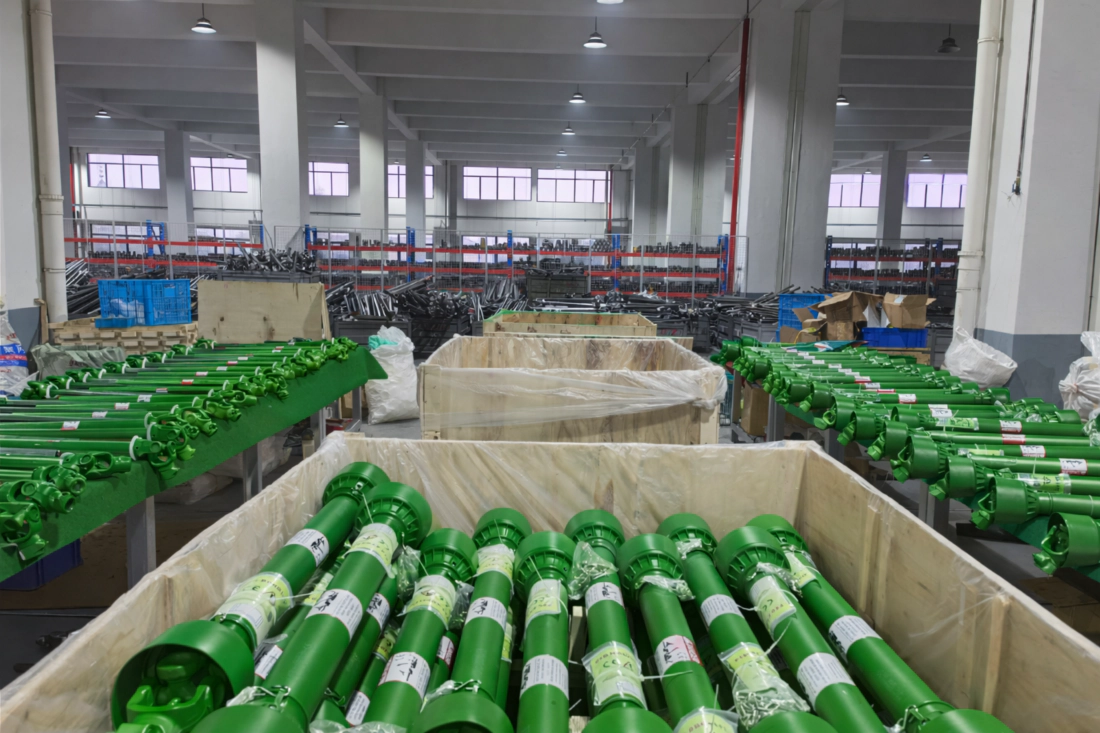
Não podemos falar de enfardadeiras sem mencionar como a potência chega do trator à câmara de enfardamento. Quando se trata de transmissão, você recebe o que paga, certo? Como fabricantes completos, não terceirizamos os componentes mais críticos. Fabricamos e fornecemos eixos de tomada de força ultrarresistentes e caixas de engrenagens reforçadas, projetadas especificamente para suportar as cargas pulsantes e pesadas de uma enfardadeira.
Nossos eixos de tomada de força (TDF) possuem juntas homocinéticas de ângulo amplo, permitindo curvas fechadas em cabeceiras sem desengatar a TDF — uma enorme economia de tempo. Combinados com nossas robustas caixas de engrenagens de ângulo reto, que distribuem a potência para o recolhedor e a transmissão principal, você obtém uma transferência de energia perfeita. Também mantemos um estoque completo de peças de reposição, parafusos de cisalhamento e embreagens deslizantes para garantir a sua operação contínua.
❓ Perguntas frequentes dos operadores
Com que frequência preciso tensionar as correias da enfardadeira?
Posso usar barbante comum no seu sistema de rede de amarração?
Qual o preço médio de uma enfardadeira de feno redonda reforçada, feita sob encomenda, de um fornecedor europeu?
Onde os produtores de leite comerciais na Califórnia podem encontrar um fabricante confiável para solicitar um orçamento para uma enfardadeira de silagem?
Como escolher a enfardadeira de feno redondo de alta umidade ideal para minha empresa de agricultura personalizada?
Qual é o melhor momento para solicitar um orçamento de um fornecedor para uma nova enfardadeira antes da colheita?
Antes de voltar ao campo, reserve um minuto para avaliar o desempenho do seu equipamento atual. Se você está cansado de remendar equipamentos antigos, talvez seja hora de conversarmos sobre uma configuração personalizada que realmente trabalhe tão duro quanto você.