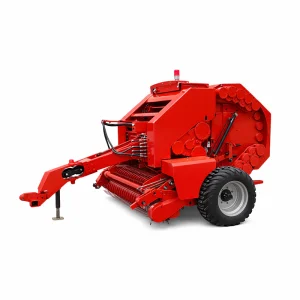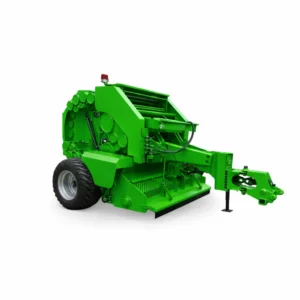
Opis
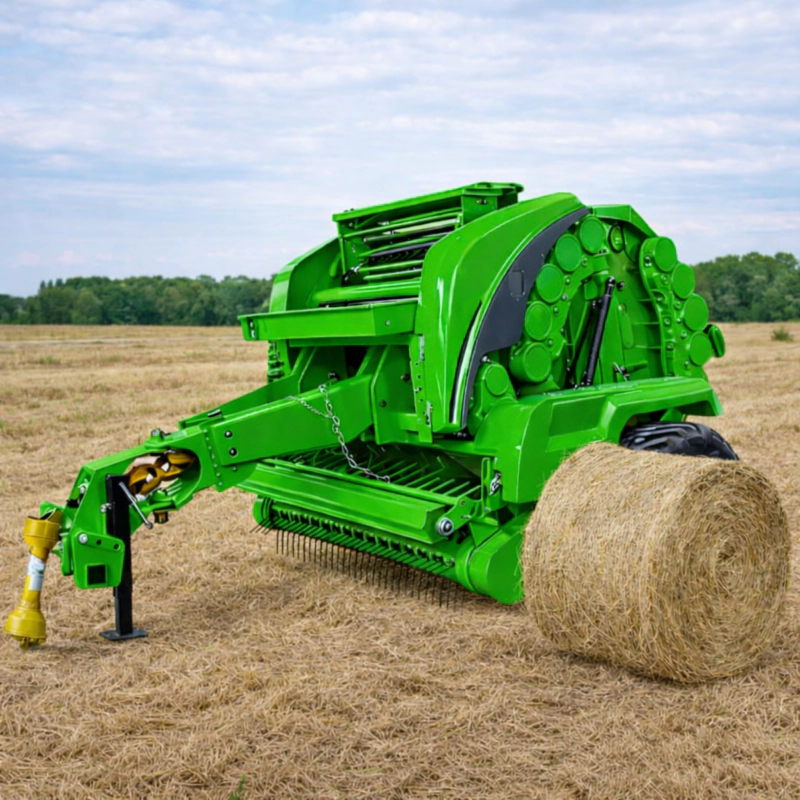
We’ve been crawling around inside these bale chambers and tearing down busted gearboxes for well over 18 years now, and you see a lot of strange things out there in the dirt. Most printers don’t realize when they are churning out those glossy equipment brochures that paper-thin side walls and unsealed bearings will completely disintegrate after one rough season of heavy, acidic dairy feed! The trick is to engineer the friction entirely out of the system. We dramatically over-spec the steel chassis, we oversize the hydraulics, and we build a piece of forage equipment that genuinely wants to eat crop all day long (even when that crop is tough, abrasive, and full of field dust).
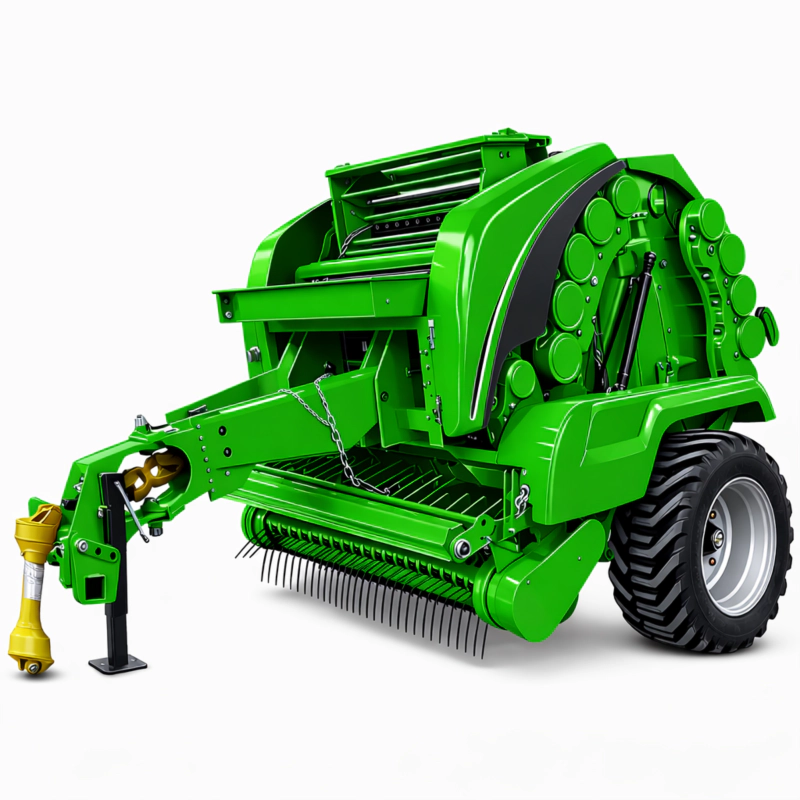
🔥 Unfair Mechanical Advantages Out in the Dirt
We’ve seen guys nearly lose their minds trying to un-plug a jammed rotor at two in the afternoon under a blazing sun. It is brutal, exhausting work that completely kills your daily productivity (and your back). You absolutely need a machine that actively prevents those bottlenecks before they happen. We engineered these six specific mechanical upgrades because we actually listen to the cursing that goes on in the tractor cab.
🚜 1. The Instant Hydraulic Drop-Floor System
⚙️ 2. High-Speed Camless Sweeper Pickup
🌪️ 3. Aggressive Soft-Core Starter Rollers
🕸️ 4. Over-the-Edge Tensioned Net Wrap
🛢️ 5. Grouped Central Greasing Blocks
⛓️ 6. Industrial Automated Chain Oiling
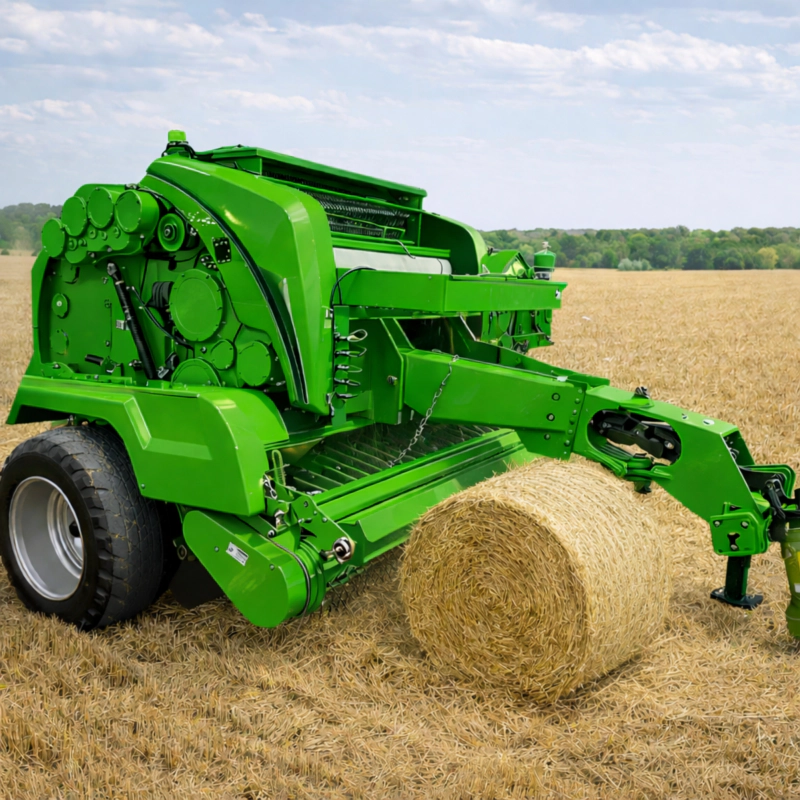
🧭 Navigating Your Machinery Choice
Buying the wrong chassis geometry is an incredibly expensive way to ruin a summer harvest. You really need to match the iron to the specific crop you are cutting. Are you going to be dropping 6-foot dry grass monsters all day long, or are you packing heavy, dripping wet silage into tight 4-foot packages?
If you are primarily dealing in high-moisture feed, you want a fixed-chamber setup (usually pure ribbed steel rollers). They handle the heavy, sticky sap without slipping and they punch out identical diameters every single time. Now, if you are doing custom work for local horse owners and need to change the diameter depending on what the customer’s truck can physically carry, you absolutely need a variable-chamber machine with heavy-duty seamless belts. The trick is to never lie to yourself about your tractor’s real PTO output. Give yourself a strict 20% horsepower buffer; if the manual says it needs 85 horses, do not hook it up to an aging 75-horse rig unless you love replacing burnt clutches!
🌾 Proven Applications Across the Globe
Because we manufacture with intense structural rigidity, our equipment isn’t just limited to soft meadow grass. These units are being absolutely thrashed in some incredibly harsh environments right now.
Dairy Forage (Alfalfa & Clover)
Leaf retention is money in the bank. Our smooth pickup tines prevent the delicate protein-rich leaves from shattering into dust, capturing the absolute maximum nutritional value for your highly demanding dairy herd.
Abrasive Commercial Cereal Straw
Wheat and barley straw is slick, dry, and surprisingly tough. Our aggressive roller profiles bite deep into the slick straw, forcing it into maximum-density blocks for efficient commercial transport on flatbeds.
Tough Corn Stover Cleanup
Following the combine to clean up stalks is brutal on any machinery. The thick steel chamber walls easily deflect the heavy stalks without denting, and the heavy driveline pushes right through the abrasive dirt.
🗣️ Honest Voices from the Tractor Cab
Don’t just take our engineering data for it. Here is what operators are actually shouting over the diesel noise when they call us from the field for their annual catch-up.
“Texas heat and continuous custom harvesting will absolutely destroy cheap bearings. I’m running 14-hour days in thick, dusty coastal bermuda grass down here. What impressed me most about this iron is the massive drive chains. They are heavily overbuilt! I haven’t snapped a single roller chain in two years, and the automated oiler means I just fill the reservoir and drive. It’s an absolute tank out in the field.”
— David R., Custom Harvester (Texas, USA)
“We run a large dairy outfit in Scotland. It rains constantly, and our silage is incredibly heavy and wet. The old generic rig we had would just slip its belts and start smoking if the moisture content got too high! Ever Power’s fixed roller setup just grabs that wet slop and crushes it into a perfect, tight cylinder every single time. The drop floor saved my driver’s back twice last week alone.”
— Thomas K., Dairy Operator (United Kingdom)
“Up here in Western Australia, the canola straw is like baling wire. It’s abrasive as hell. I was replacing the cam-track bearings on my old pickup every single winter (and swearing the whole time). Switching to this camless sweeper design was brilliant. It just spins fast, picks the field entirely clean, and there’s virtually nothing in there to break. Brilliant bit of engineering.”
— Ian M., Arable Farmer (Australia)
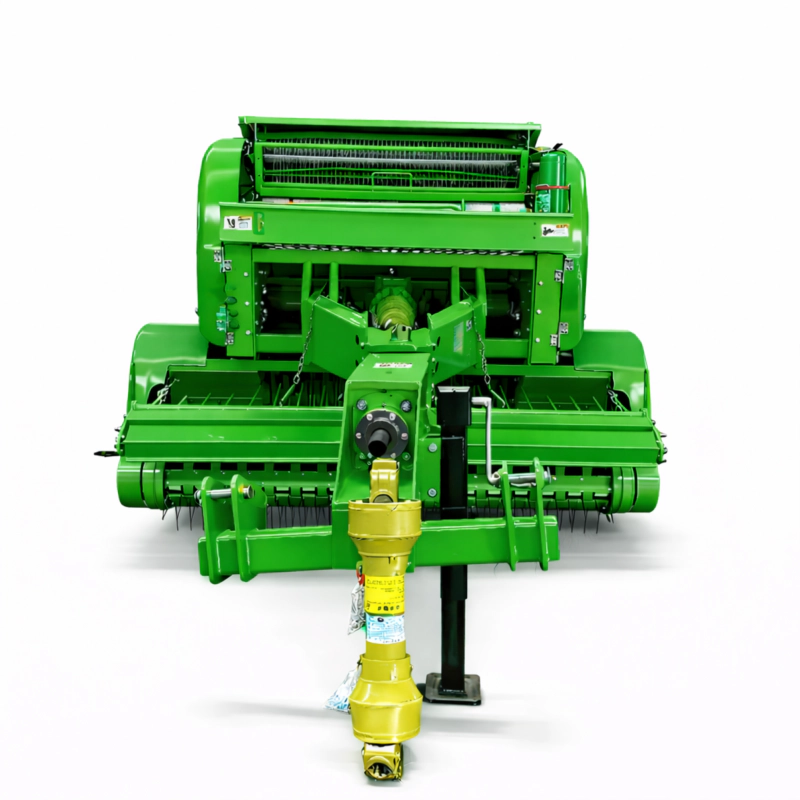
⚙️ We Manufacture the Heartbeat: PTO Shafts & Gearboxes
You cannot build a relentless machine if you rely on weak, third-party power transmission. A baler is basically a giant torque trap. Because we are an integrated engineering house, we actually forge and assemble the heavy-duty drivelines that handle all this massive torque. From the wide-angle CV joints that let you turn sharply on the headlands without shutting down the PTO, to the massive T-gearboxes that split the power to the rollers and the rotor—we control the absolute quality.
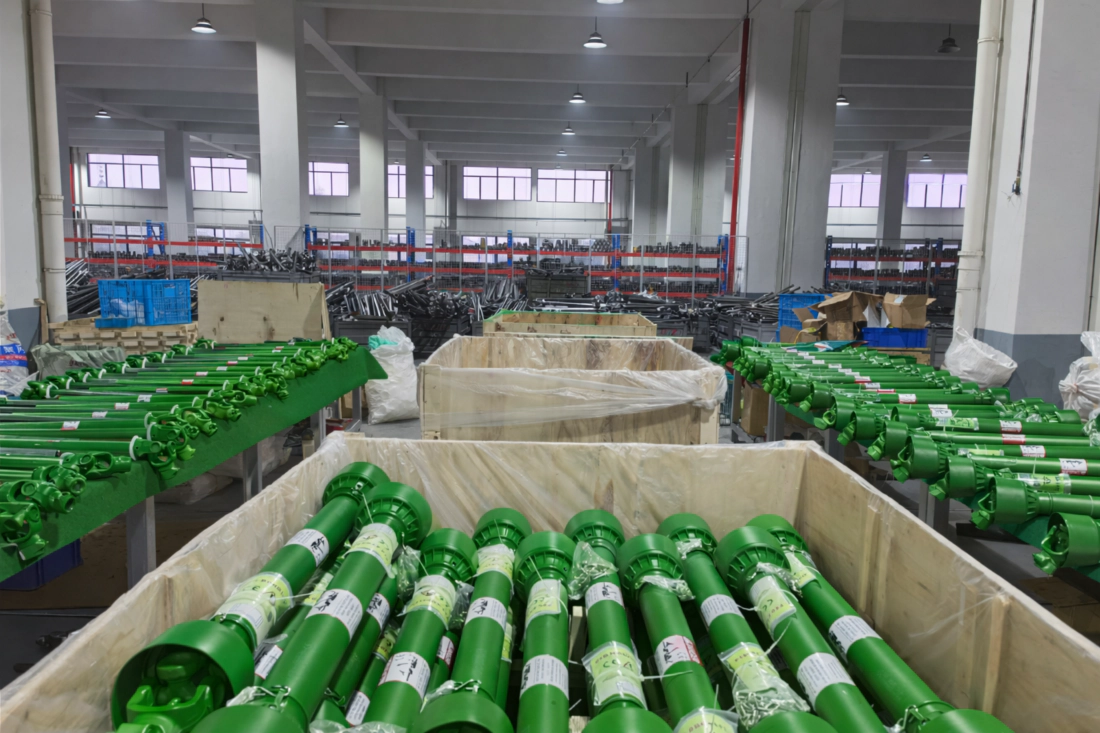
We precision-balance every single shaft before it leaves the floor. An out-of-balance driveline will cause micro-vibrations that will silently destroy your main input bearings in a matter of months (and trust me, we’ve replaced enough shattered gearboxes to know this for a fact). If you happen to be rebuilding an older machine and need direct factory replacement drivelines or gearboxes, we supply those heavily reinforced components globally as well.
🛠️ The Master Mechanic’s Troubleshooting Guide
When the tech support line rings here, it’s usually a guy sitting in a field trying to figure out a minor adjustment. Here is the insider knowledge.
Why am I suddenly getting ugly, barrel-shaped rolls?
You are driving straight down the exact center of a tiny windrow! The middle of the chamber is getting stuffed tight, but the outer edges are completely starved of crop. Stop driving straight. You need to weave aggressively—drive over the windrow with your left tractor tire for a few seconds, then smoothly cross over and put the right tire on it. Make the cab monitor bars stay even.
What happens if I hear a loud bang and the pickup stops dead?
Don’t panic, that’s just the primary shear bolt doing exactly what it was designed to do. You probably sucked up a hidden rock or a huge wet clump. Shut the PTO down immediately. Drop the hydraulic floor, clear out the obstruction, line up the shear flange, and put in a new factory-spec bolt. Never, ever replace it with a harder grade of steel, or you will explode the gearbox next time!
🎙️ Direct Factory Answers for Your Operation
We know exactly what you are searching for when planning your capital expenditure for the season. Let’s get straight to the numbers and facts you need for your agricultural business.
How much does a heavy duty round hay baler cost directly from a Dutch factory supplier?
The final quote heavily depends on your specific hydraulic configurations, but purchasing a custom heavy-duty round hay baler directly from our Netherlands manufacturing factory usually costs between $38,000 and $58,000, completely bypassing expensive regional dealer markups.
Where can Australian commercial straw contractors get a direct quote on heavy-duty forage packing equipment?
Australian agricultural operators can get the absolute best price by requesting a direct import quote from our Dutch manufacturing headquarters, where we custom-build fixed-chamber baling machines specifically engineered to handle highly abrasive, dry cereal straw.
What is the average annual maintenance cost for a variable chamber baler in dairy silage operations?
In highly demanding, acidic silage environments, you should conservatively calculate a running maintenance cost of $2.50 to $4.50 per bale, which covers net wrap supplies, high-temp grease, and the gradual depreciation of the seamless rubber belts.
Which high-density agricultural round hay balers require the lowest PTO horsepower for steep hilly farm terrain?
While standard equipment manuals might state otherwise, our camless fixed-roller agricultural balers demand significantly lower PTO horsepower, operating safely on just 85 to 105 HP tractors on steep, hilly terrain without dangerously lugging the engine.
When should a Texas custom harvester replace the seamless belts on commercial forage packing equipment?
You must proactively replace the seamless belts on your commercial forage packing equipment the moment you notice significant edge fraying, deep structural cracking reaching the inner ply, or after hitting roughly 15,000 extreme-heat cycles to prevent mid-harvest failure.
Stop Settling for Weak Iron. Upgrade Your Harvest Now.
Give us the exact parameters of your field, crop, and tractor. Our engineering team will spec out a custom machine that simply refuses to quit when the weather is closing in on you.