🌾 Over the last eighteen years working as a senior application engineer on manufacturing floors and dusty fields, I’ve seen thousands of growers struggle with one massive question: how much should you actually spend on a high-performing machinery asset? As a premier heavy duty round farm baler factory and a trusted global round farm baler supplier, Ever Power specializes in delivering customized engineering solutions tailored directly from our Netherlands headquarters. Finding the sweet spot between a cost-effective purchase price and long-term field reliability isn’t just about looking at a price tag—it’s about understanding the total cost of ownership, mechanical durability, and finding a manufacturer that knows how to build equipment for real-world farm conditions.
The Realities of Modern Round Balers: An Engineer’s Overview
In my years spent tweaking tension valves and observing crop flow characteristics, I’ve learned that a 丸型ベーラー is far more than just a box that rolls up grass. It’s the mechanical heart of your harvesting operation. Whether you are processing dense, high-moisture silage in northern Europe or packing dry, brittle straw across the American Midwest, the physics inside that chamber remain brutal and unforgiving. We’ve seen operations run smoothly for years on a mid-range machine, while others buy top-tier configurations and suffer constant downtime simply because the mechanical specifications didn’t align with their actual daily field throughput.
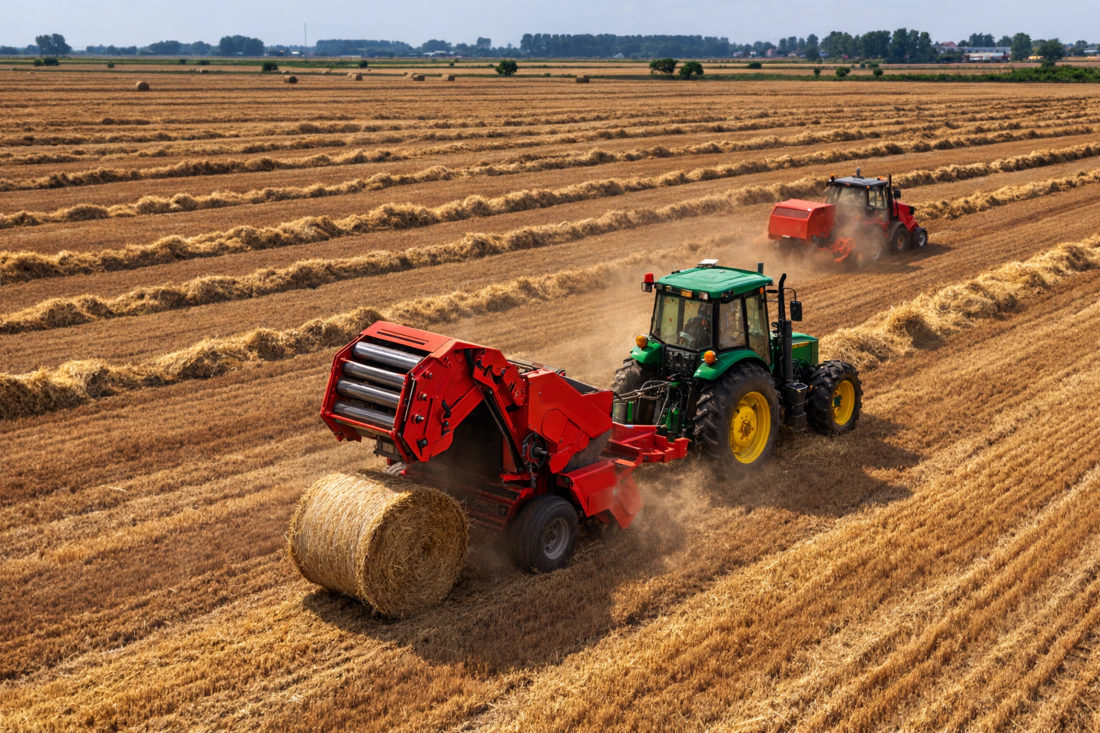
The core advantage of choosing a modern commercial round hay baler over square baling alternatives lies in its natural weather resistance and structural integrity. Round bales naturally shed water like a thatched roof, which is an absolute lifesaver if your regional weather window is tight and unpredictable. Furthermore, from an operational perspective, our latest generation of equipment incorporates heavy-duty structural steel plates, precision-machined rollers, and advanced variable or fixed chamber designs that optimize crop packing from the core outward. The trick is understanding that you aren’t just paying for the iron—you are investing in the machine’s capacity to preserve nutritional value in your forage, minimize leaf loss, and produce tightly packed, uniform packages that can withstand multiple handlings and long-term outdoor storage without falling apart.
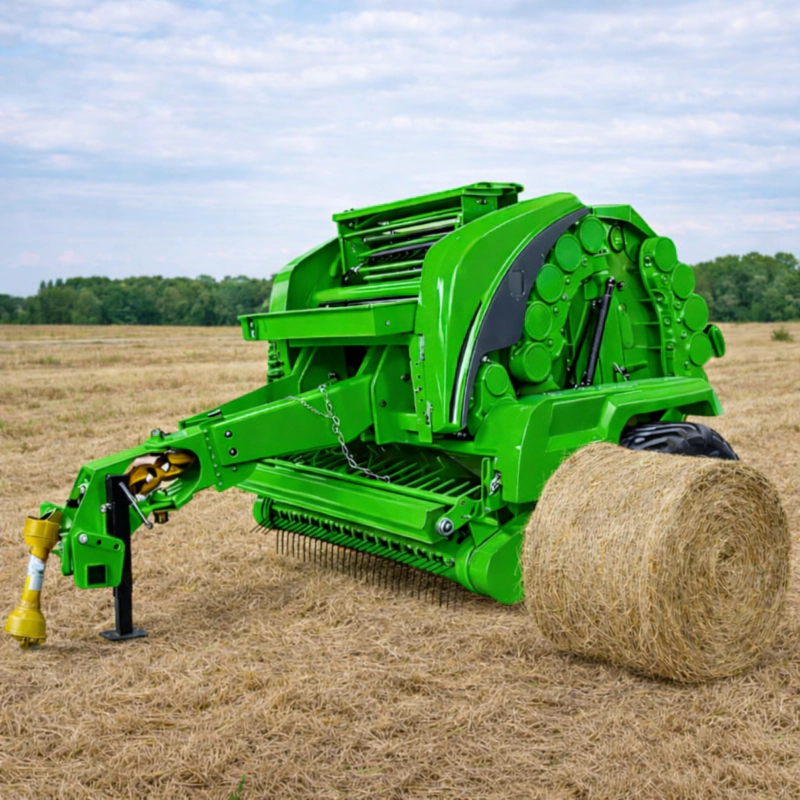
Figure 1: Ever Power heavy-duty round farm baler delivering dense, perfectly shaped silage bales under tight harvest windows.
Technical Specifications & Market Price Benchmarks
Most operators don’t realize how much technical specs dictate the overall round baler price. When evaluating commercial hardware, you need a clear baseline of what your capital outlay actually buys. Below, I’ve laid out the technical blueprints and realistic pricing tiers across our specialized model lines. These numbers aren’t pulled from theoretical manuals—they reflect real production configurations from our manufacturing floor.
| ベーラーモデルクラス | Chamber Type & Dimensions | 必要なPTO動力 | Tying & Control Systems | Est. Investment Range (USD) |
|---|---|---|---|---|
| Compact Utility / Mini Series | Fixed Chamber (0.8m x 1.0m) | 25 – 50 HP | Semi-Auto Twine Tying | $6,500 – $12,000 |
| Standard Commercial Field Class | Fixed/Variable (1.2m x 1.2m) | 60~90馬力 | 二重紐&ネット巻きシステム | $18,500 – $32,000 |
| Heavy-Duty Silage Specialist | Heavy-Duty Roller Fixed (1.2m x 1.5m) | 80 – 110 HP | Automated Net Wrap + Pre-Cutter | $35,000 – $55,000 |
| Industrial Pro Variable Master | 可変ベルトチャンバー(最大1.8m) | 100~140馬力 | ISOBUS Electronic Control Auto Net | $58,000 – $85,000 |
*Note: Pricing variants heavily depend on specific customization modules, hydraulic system upgrades, and integrated moisture sensor packages. For exact configurations built for your region, drop us a line.*
6 Engineered Advantages That Define Our Value Proposition
In my 18 years in this industry, I’ve broken down competing machines from top to bottom. Cheap balers are everywhere, but they usually pay you back with cracked frames and broken chains during peak harvest week. When we manufacture machinery at Ever Power, we eliminate those weak links. Here is exactly what sets our equipment apart when you run the numbers over a five-to-ten-year lifecycle:
Reinforced Over-Sized Drive Chains
We’ve upgraded all standard drives to heavy-duty, pre-stretched diamond chains. Why? Because chain stretch is the number one cause of sprocket wear and timing failures when packing heavy, wet forage packs.
Forged Steel Mono-Body Rollers
Instead of welded two-piece rollers that split under high core pressures, our fixed chamber rollers are forged from single-billet steel blocks, easily sustaining high bale density without deformation.
Adaptive Dual-Cylinder Hydraulics
Our proprietary hydraulic layout utilizes master-slave dual-acting cylinders. This ensures equal tension is applied to both sides of the tailgate, completely avoiding lopsided, barrel-shaped bales.
Wide-Profile Low-Profile Pickup
Featuring clean-sweep, closely spaced spring tines, our pickup mechanism ensures even the shortest, finest alfalfa or straw leaves are gathered efficiently without dragging dirt into the bale.
Intelligent In-Cab Monitor Interface
No more turning your neck every two minutes. Our fully digital real-time interface tracks density buildup, wrapping revolutions, and accurate internal moisture content directly from the tractor seat.
Direct Engineering Customization
Because we operate our own heavy duty round farm baler factory, we don’t force a one-size-fits-all model on you. We customize gear ratios, cutting lengths, and tying styles to suit your exact farm layout.
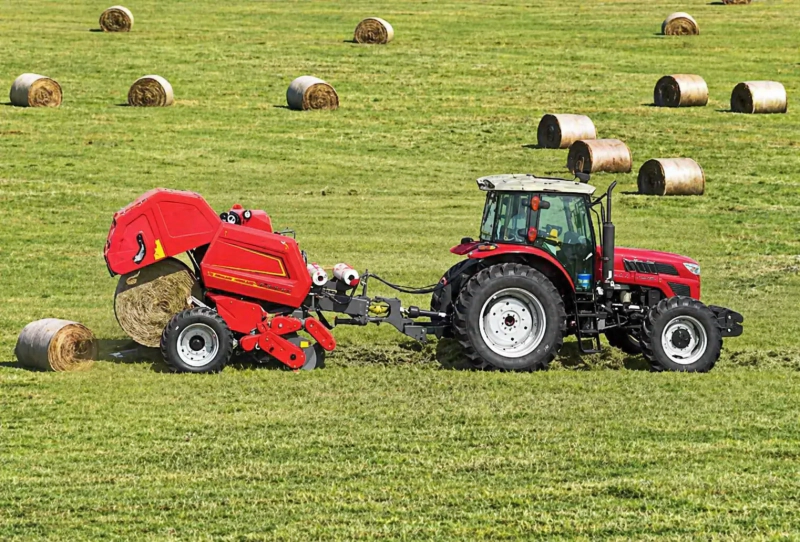
Figure 2: Precision robotic welding and frame reinforcement at our state-of-the-art agricultural machinery plant.
How to Choose: Don’t Buy More Iron Than Your Tractor Can Drive
Here’s a hard truth: I’ve seen guys pull the trigger on a massive, high-capacity variable chamber baler because they wanted the biggest bales in the valley, only to find out their 75-horsepower utility tractor couldn’t even spin the flywheel once the chamber hit 70% density. It’s a painful, expensive mistake. Choosing the perfect asset requires balancing three distinct elements: your tractor’s actual PTO power, your annual acreage volume, and your predominant crop type.
If you are running a smaller family farm putting up 200 to 500 bales a year of dry grass hay, a heavy-duty fixed chamber model will save you thousands of dollars up front and a lot of grease later on. Fixed chamber designs use steel rollers or chains to roll the hay, creating a bale with a slightly softer core that breathes well—ideal if your hay isn’t perfectly bone-dry when you roll it. On the flip side, if you are a custom operator knocking down thousands of acres of alfalfa or heavy oats annually, you absolutely need a variable chamber machine utilizing heavy-duty rubber belts. This setup packs the bale tightly from the very center, maximizing tonnage per truckload and minimizing your plastic wrapping costs. Don’t let a slick salesperson talk you into electronic bells and whistles you don’t need—focus on the mechanical core.
Versatile Crop Adaptation: From Dry Straw to High-Moisture Forage
A major engineering focus over my career has been maximizing crop versatility. Modern farming demands that a machine handle wildly differing materials without clogging or tearing. In early spring, our balers are routinely deployed into heavy, sticky ryegrass silage that tests the limits of any feed rotor. By late summer, those same machines are flying through brittle wheat straw or stalky corn stover that requires aggressive feeding geometry to prevent blockages.
The secret to handling this variety lies in the design of the feed intake floor. We build our equipment with an drop-floor mechanism controlled hydraulically from your cabin. If you hit a massive, uneven windrow and clog the throat, you don’t have to climb down with a pry bar. You simply lower the floor from the seat, let the plug pass directly into the chamber, and keep rolling. This capability significantly alters your daily efficiency, turning a potential half-hour breakdown into a five-second adjustment.
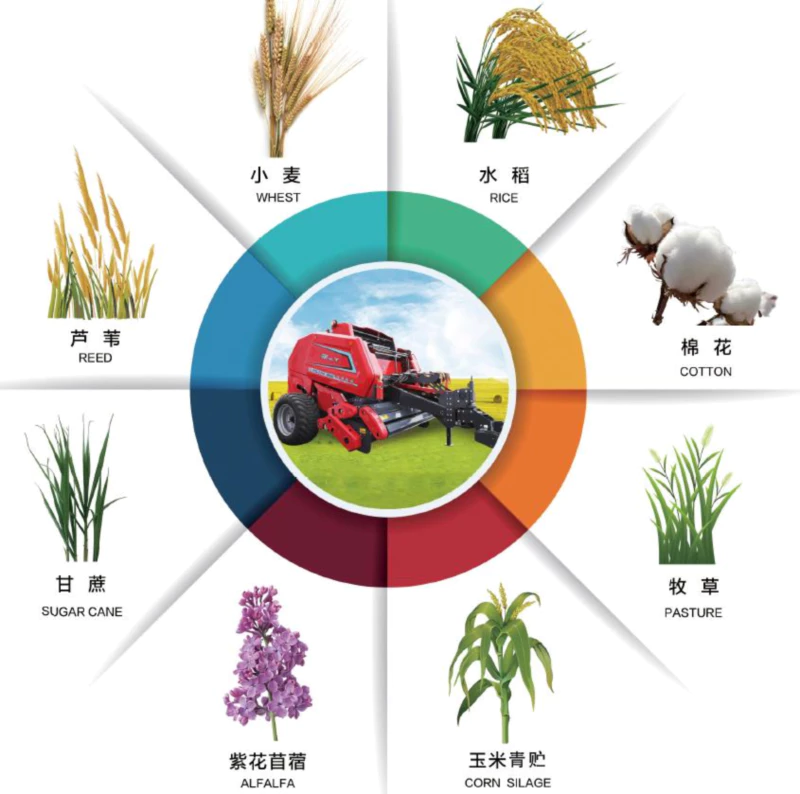
Figure 3: Our advanced feeding design seamlessly processes a wide variety of materials, ensuring dense packs regardless of stem stiffness.
Real Field Feedback: Voices from the Global Farming Community
I always tell our team that the true test of engineering isn’t in our pristine assembly shop—it’s in a muddy field when a massive rainstorm is rolling in. We maintain close communication with our operators globally to see how our custom setups handle localized agricultural conditions. Here are a few unfiltered insights from active farmers running our iron.
“Our main challenge here in Ireland is always moisture—we rarely get three dry days in a row. I purchased the Ever Power Silage Specialist with the integrated 14-knife pre-cutter. Running high-moisture grass through a standard machine used to mean constant belt slippage and messy wrapping. This fixed roller setup handles the wet stuff like a dream, and the bale density lets us save significantly on stretch film. It was a substantial upfront investment, but it paid off within two seasons.”
— Sean O’Connor, Dairy Producer (Cork, Ireland)
“We clear massive acreage of wheat straw after harvest under brutal heat. Downtime isn’t an option when you have thousands of acres to clear before the next crop rotation. The automated net wrap system on our variable chamber model has been flawless. We’re averaging about 45 bales an hour without breaking a sweat. What I appreciate most as an owner is that the factory customized our gear ratios to perfectly match our tractor fleet’s sweet spot.”
— Pieter de Jong, Custom Harvesting Contractor (Gelderland, Netherlands)
The Ever Power Guarantee: Premium Hydraulic Cylinders, Heavy Gearboxes, and Instant Spares
Let’s talk about what happens two or three years down the road. Every baler ever built will eventually need replacement parts—that’s just the reality of rubbing metal against crop day after day. A lot of suppliers will sell you a machine and then completely vanish when you need a custom seals kit or a replacement gear. We don’t operate that way. Because we manage a fully integrated agricultural component manufacturing division, we provide complete, direct access to premium hydraulic cylinders, heavy-duty right-angle gearboxes, hardened pick-up tines, and heavy-duty drive sprockets.
Our internal engineering team designs and tests our hydraulic rams to handle continuous pressure spikes up to 250 bar, ensuring your tailgate lock never creeps or bleeds pressure mid-bale. Our main transfer gearboxes feature cast-iron housings and oil-immersed helical gears that run cooler under high-load PTO setups. When you choose to partner with us, you are securing a direct pipeline to the factory that manufactured the machine, ensuring overnight parts availability and expert-level engineering support whenever you need a technical hand. You can explore our story and operational ethos directly on our 私たちについて page, or return to our ホームページ 当社の製造拠点全体をご覧になるには、こちらをご覧ください。
Frequently Asked Questions Regarding Round Baler Pricing and Selection
Over the years, I’ve answered almost every mechanical and financial question you could imagine. To save you some time researching, I’ve compiled the absolute most common inquiries we receive from growers looking to optimize their equipment budgets.
How much does a commercial round hay baler cost from an authentic factory supplier?
A dependable commercial round hay baler typically ranges from $18,500 to $55,000 when purchased directly from an experienced factory supplier. The final investment depends entirely on whether you select a fixed or variable chamber configuration, your required throughput capacity, and specialized regional customizations such as automated net-wrap systems or heavy-duty silage rollers.
Which specific type of variable chamber round baler price guidelines match high-volume alfalfa operations?
High-volume alfalfa operations should budget between $45,000 and $85,000 for an industrial-grade variable belt chamber baler. This price guideline accounts for high-durability endless rubber belts, advanced dual-cylinder hydraulic tensioning systems, and integrated electronic moisture sensors that allow operators to maximize bale density while protecting delicate leaf structure.
Where can I find a customized automatic mini round baler cost estimate for small farm applications?
You can get an accurate customized automatic mini round baler cost estimate directly from our engineering team by submitting your tractor specs online. For small-scale farms running lower-horsepower tractors, these compact fixed-chamber units generally cost between $6,500 and $12,000, offering exceptional packing density without requiring massive PTO power infrastructure.
What is the hidden operational cost difference between buying a used versus new round baler?
The real cost difference lies in maintenance downtime and structural wear. While a used machine might save you $15,000 upfront, hidden costs like replacing worn roller bearings, stretched drive chains, or leaking hydraulic cylinders can easily cost over $5,000 in your very first season, not to mention the critical loss of profit if your machine breaks down right before a major storm.
Ready to Optimize Your Harvesting Efficiency with a Custom Engineering Blueprint?
Don’t guess on your next machinery asset. Let our senior application engineers design a customized configuration that aligns perfectly with your tractor horsepower, acreage demands, and crop types.


