As a dedicated round baler manufacturer and direct agricultural baler factory, we know the heartbreak of looking behind your tractor and seeing a green cloud of dust blowing out the tailgate. Partnering with a reliable hay baling equipment supplier gets you solid machinery, but mastering your heavy duty round baler settings is where the real money is made. Built directly in our Netherlands facility, our custom round farm baler lines deliver superior density and gentle crop handling that mass-produced units simply cannot touch. We are going to look at how working with a true factory supplier upgrades your leaf retention and puts more raw nutrition into your bales this season.
Shop Talk: You can spend an entire week cutting and raking the perfect alfalfa windrow, but if your pickup tines are set wrong and your belts are slapping the crop around inside the chamber, you are just blowing protein right out onto the dirt. Let’s fix that.
The Anatomy of Forage: Why You Are Losing Leaves
Most operators don’t realize that the leaves of an alfalfa plant contain up to 70% of the total protein and 90% of the carotene. The stems? They are mostly just fiber holding the good stuff up. In our experience, as the crop dries down in the sun, the delicate petiole (the tiny stem attaching the leaf to the main stalk) becomes incredibly brittle way faster than the main stem does. When your pressa per balle rotonde per impieghi gravosi hits that windrow, aggressive mechanical action shatters that brittle connection.
The trick is managing the mechanical violence. We design our equipment specifically to cradle the crop from the ground to the core, minimizing friction. But even with the best engineering in the world, you have to adjust your operational habits. Here are the four proven techniques we’ve seen work across thousands of acres of sensitive forage.
1. Master the Dew Moisture Window
You simply cannot bale premium alfalfa in the dead heat of a summer afternoon. It’s a guaranteed way to make stem-only bales. We always tell our direct factory clients to chase the dew. Baling when there is a slight, tough humidity in the air (usually late evening or very early morning) allows the leaves to absorb just enough atmospheric moisture to become pliable again. You are aiming for a stem moisture of around 15% to 18%. The leaves will hold onto the stalk through the pickup augers and roll smoothly into the variable chamber without turning into green dust.
2. Maximize Your Windrow Volume
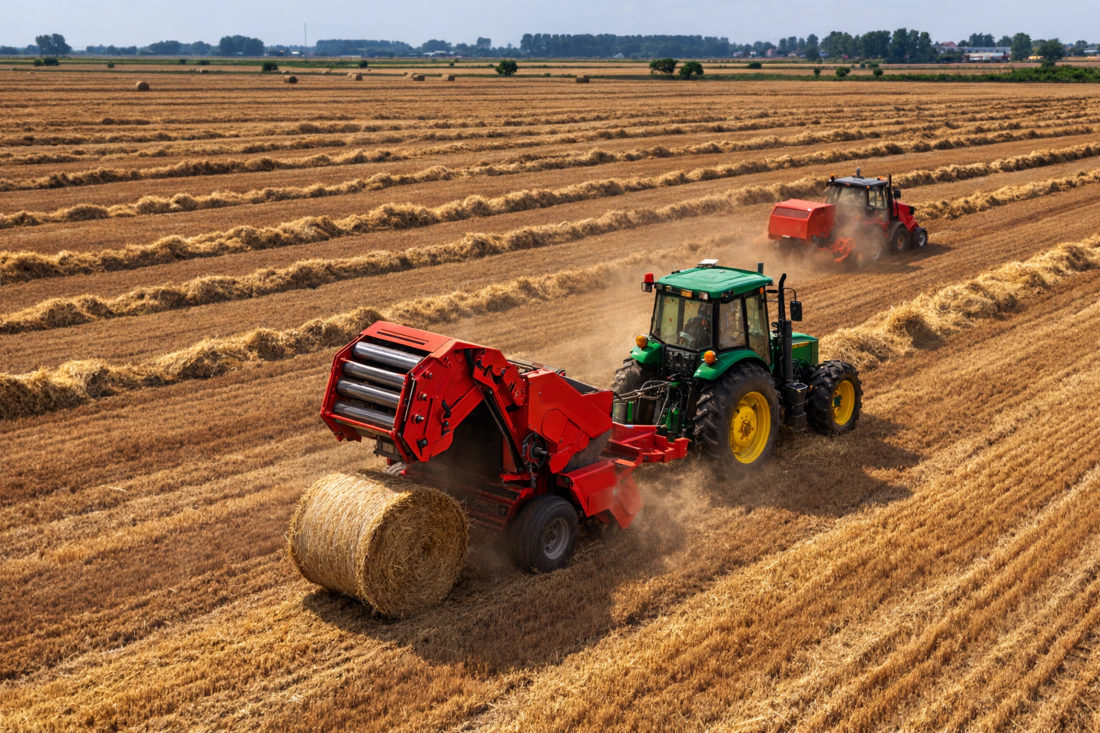
This is a massive oversight we see all the time. Guys will rake tiny, thin windrows thinking it makes the baler work easier. Actually, it does the exact opposite for leaf retention. The longer the hay tumbles inside the chamber before the core is fully formed, the more leaf shatter you get. By raking heavy, wide windrows that match the full width of your pickup, you feed a massive mat of crop into the machine all at once. The chamber packs instantly. More hay entering per revolution means the crop rubs against itself rather than grinding against the rubber belts or steel rollers.
3. Dial in the Ground Speed vs. PTO Ratio
Running your tractor PTO at a screaming 540 RPM while creeping along in first gear is a leaf-killing combination. The pickup tines are spinning incredibly fast, aggressively batting the delicate alfalfa into the air rather than lifting it gently. The secret formula? Shift up a gear and throttle back slightly (if your tractor has the torque to handle it). You want a higher ground speed with a slightly relaxed PTO speed. This forces the hay to flow in a continuous, thick ribbon over the pickup and straight through the rotor, drastically reducing the time it spends getting beaten up by the intake mechanism.
4. Optimize Your Mechanical Pickup Settings
If your pickup tines are scratching the dirt, you are not just gathering rocks—you are violently throwing the crop. Adjust your gauge wheels so the tines hover just above the soil surface, lifting the cropmat gently. Furthermore, adjusting your baffle plates (the windguard over the pickup) is crucial. A heavy-duty roller windguard holds the fluffy alfalfa down against the tines, preventing the leaves from blowing away in the wind before they even reach the compression chamber.
Gentle Handling Technical Parameters
When we engineer these units at our agricultural baler factory, we look at the raw specs that prevent crop damage. Here is what you should be looking at when evaluating a machine for dry hay retention.
| Machinery Component | Standard Market Setup | Our Variable Alfalfa Setup |
|---|---|---|
| Chamber Type | Fixed Steel Roller (Rigid) | Variable Endless Belt (Gentle expansion) |
| Pickup Mechanism | Cam-Track (Loud, clunky) | Camless High-Speed (Smooth crop lift) |
| Windguard Style | Thin Tine Rack | Heavy Floating Crop Roller |
| Net Wrap Speed | Slow / Manual trigger | Ultra-Fast Automated Edge-to-Edge |
6 Engineering Advantages That Save Your Harvest
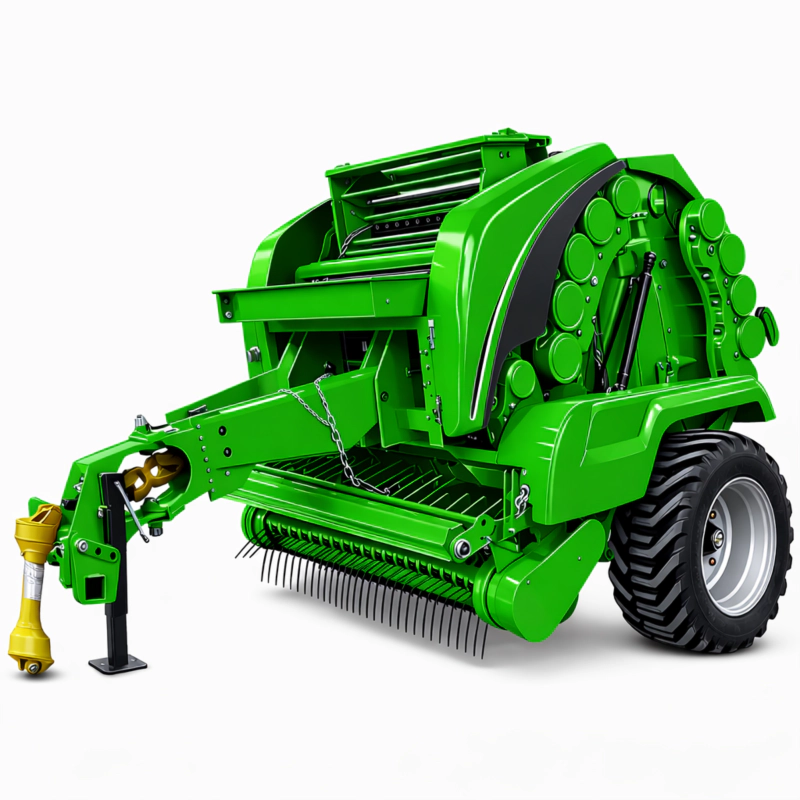
We design our balers differently to protect your yield. When you are sourcing from a true round baler manufacturer, you aren’t just buying steel; you are buying mechanical solutions to field problems.
1. Endless Variable Belts
Instead of beating the dry hay with rigid steel rollers, our textured belts flex and grow with the bale, applying constant but gentle pressure that keeps brittle leaves trapped inside the core.
2. Camless Pick-up Operation
Removing the cam track means fewer moving parts and a significantly smoother sweeping motion. It lifts delicate clover and alfalfa without the violent jerking motion that shatters the foliage.
3. Hydraulic Drop-Floor Safety
If a heavy slug of damp grass threatens to plug the intake, a quick hydraulic lever drop clears the throat instantly. No manual digging, meaning you get right back to maintaining a smooth crop flow.
4. Wide-Profile Gathering Augers
Our oversized side augers aggressively pull wide, fluffy windrows into the cutting rotor without creating bottlenecks, ensuring that edge hay doesn’t sit outside getting ground into dust.
5. Proportional Tension Control
You can dial back the hydraulic core density from the cab monitor when baling extremely dry hay, creating a softer core that lets the material breathe while keeping the outer shell tight and waterproof.
6. Custom Heavy-Duty Gearboxes
Forged directly in our factory, these synchro gearboxes transfer PTO power seamlessly without the violent stuttering that shakes the machine and rattles leaves off the stem.
Making the Right Machinery Choice for Your Farm
We have seen guys buy massive fixed-chamber silage balers because they wanted durability, only to realize those aggressive steel rollers completely decimate their dry alfalfa crops. If your cash crop is high-protein dry forage, you absolutely need to steer towards a variable chamber belt design. The belts expand naturally, meaning the hay doesn’t tumble aimlessly in a large empty void while the core is trying to form. On the flip side, if you are strictly wrapping heavy, wet green feed, those belts can slip, and you’ll want the grip of a fixed roller unit. Matching the machine’s architecture to your primary crop moisture is the single most important purchasing decision you will make.
Multi-Crop Flexibility
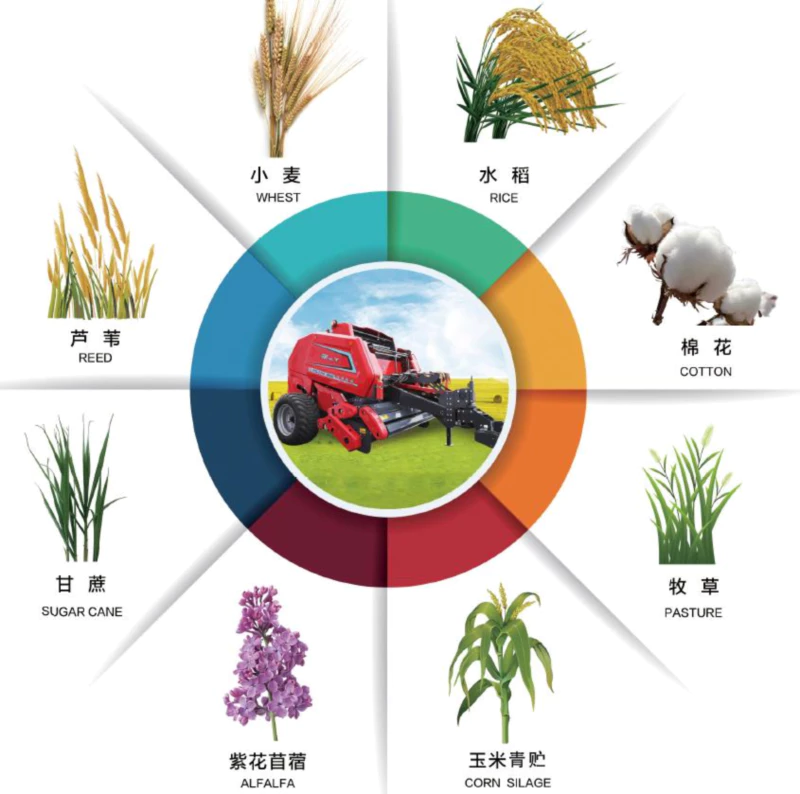
Even though we are talking heavily about delicate leaves, these machines aren’t fragile. By simply lowering the hydraulic density settings and raising the windguard, our variable models effortlessly transition into baling slippery oats, coarse wheat straw, or even rough corn stalks. The robust intake rotor slices through heavy material without missing a beat, giving you true multi-season utility from a single investment.
Voices from the Tractor Cab
Don’t just take the word of an old engineer. Here is how our equipment handles the pressures of real-world farming across drastically different climates.
“Running custom hay in the extreme dry heat of the Australian Outback means our lucerne (alfalfa) dries out in hours. The leaf shatter with our old cam-track baler was costing us thousands. Upgrading to the camless variable belt model from Ever Power changed everything. The hay feeds in so smoothly, and the green color retention inside the bale is incredible.”
— Thomas M., Hay Contractor, New South Wales, Australia
“We put up a lot of sensitive orchard grass and clover here in the Pacific Northwest. Between the unpredictable rain and the delicate leaves, it’s a tough balancing act. Their heavy floating windguard keeps the crop perfectly pinned to the pickup tines even when the coastal wind kicks up. Knowing we can get factory-direct parts shipped fast is a huge bonus too.”
— Sarah L., Commercial Forage Grower, Oregon, USA
OEM-Grade Component Supply: Gearboxes & Hydraulics
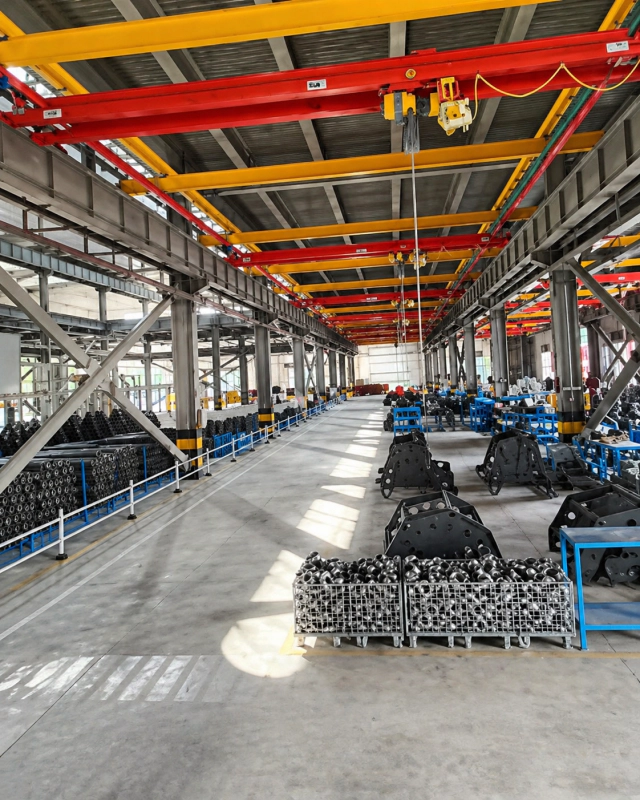
As a fully integrated agricultural baler factory, our engineering reach goes way past the sheet metal covers. We forge and assemble the critical internal components that keep farm fleets moving globally. If you need to upgrade an existing fleet, we supply custom-engineered parts directly from our manufacturing floors.
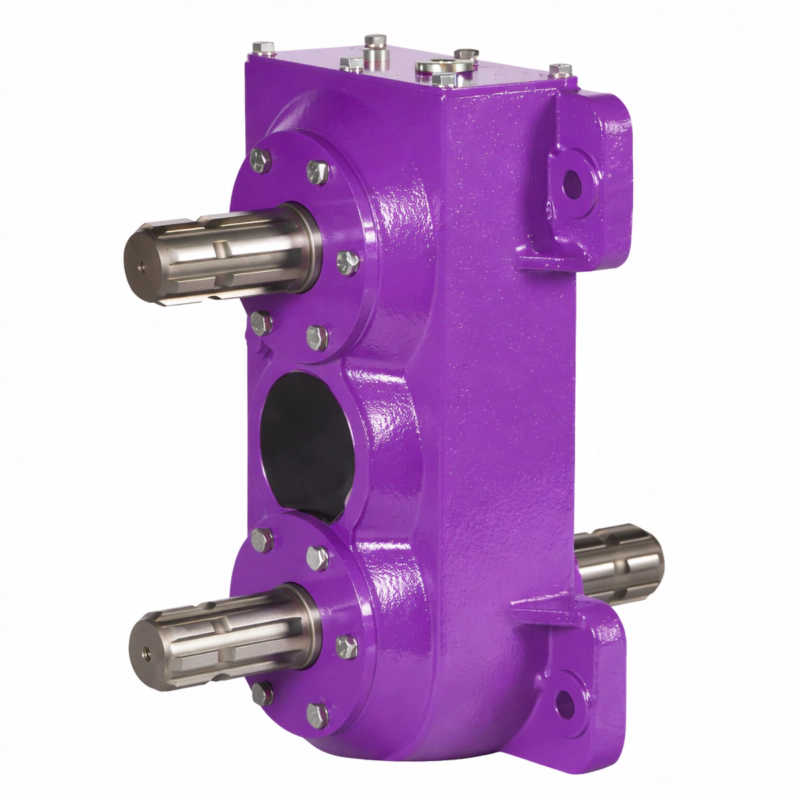
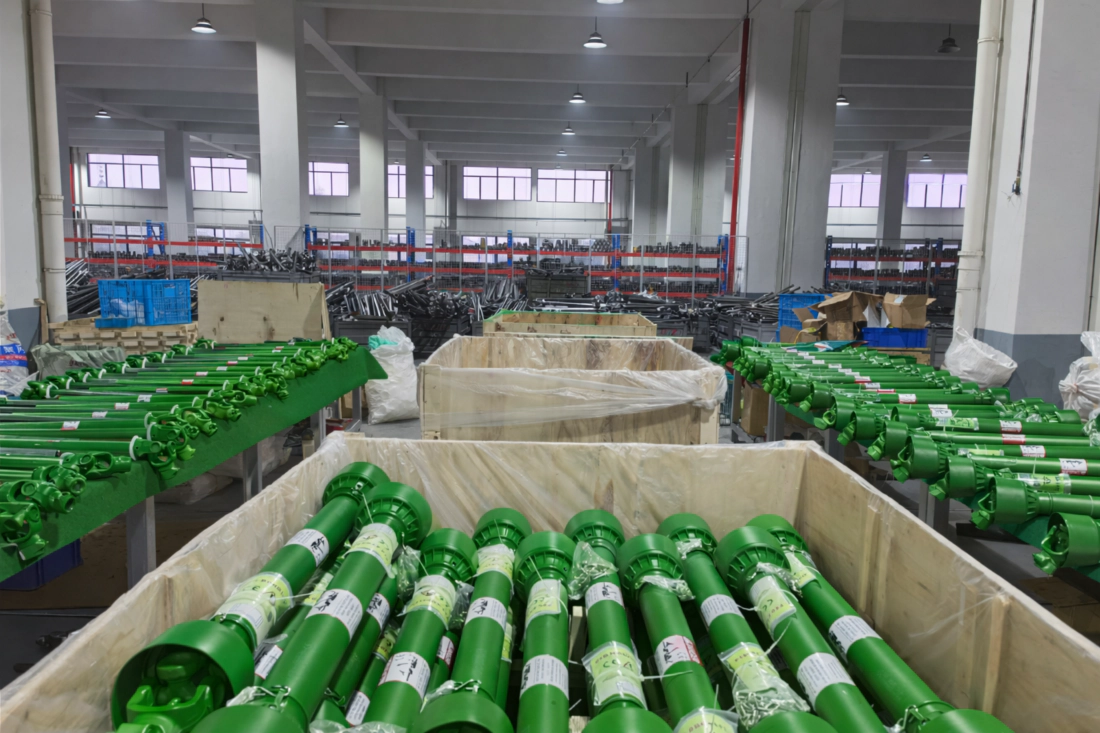
From massive high-pressure hydraulic gate cylinders that refuse to leak, to high-reduction baler gearboxes, and flawlessly balanced Alberi di trasmissione that kill destructive driveline vibration, we provide the OEM-grade hardware you need to survive the season.
Frequently Asked Questions (Troubleshooting Leaf Loss)
Q1: Where can I buy a reliable round baler for alfalfa hay that prevents leaf shatter?
A: You can easily secure a premium, variable-belt round baler optimized for delicate alfalfa directly from Ever Power, our specialized Netherlands-based agricultural factory, or by requesting a quote through our secure online portal.
Q2: What is the cost of a variable chamber round baler from a European manufacturer?
A: The overall factory price fluctuates depending on your chosen hydraulic density controls and camless pickup width, but buying direct from our production floor absolutely eliminates unnecessary third-party dealer markups.
Q3: How to adjust round baler pickup to reduce hay loss in dry conditions?
A: In our experience, the best method is to throttle down your PTO RPM slightly while maintaining a steady, faster ground speed; this packs the chamber quickly and prevents the spinning tines from batting dry leaves into the air.
Stop Leaving Your Profits on the Dirt
Upgrade to a factory-direct baling system engineered specifically for maximum leaf retention and premium forage quality.


