Description
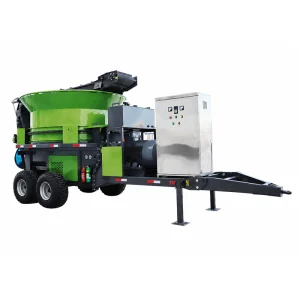
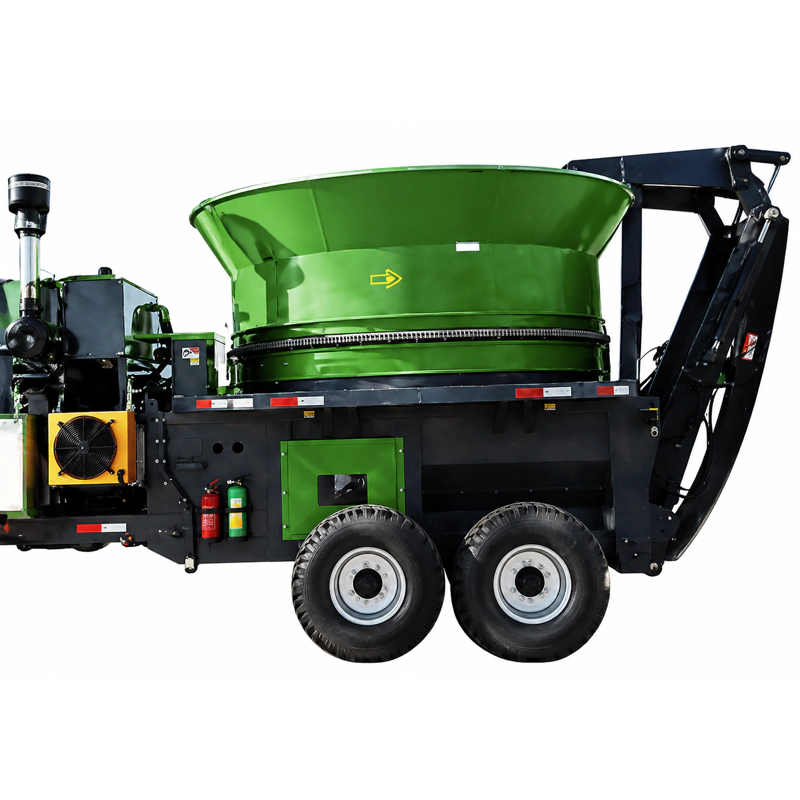
Spinning wrenches and troubleshooting heavy agricultural equipment out in the mud for over 18 years teaches you exactly what happens when the rural power grid fails right in the middle of harvest season. We’ve seen entire barns of high-moisture corn spoil simply because a farm relied on a fragile electric grinder during a three-day blackout. If you are serious about taking control of your livestock nutrition, investing in a brutal, off-grid capable diesel engine Feed Crusher machine isn’t a luxury—it is an absolute necessity. By bypassing the flashy showrooms and dealing directly with a dedicated fabricant et global fournisseur, you get access to raw, uncompromised mechanical power. As a custom usine, we over-engineer these units to thrive in the dirt, delivering the massive kinetic torque required to pulverize stalks and grains exactly where they sit in the field.
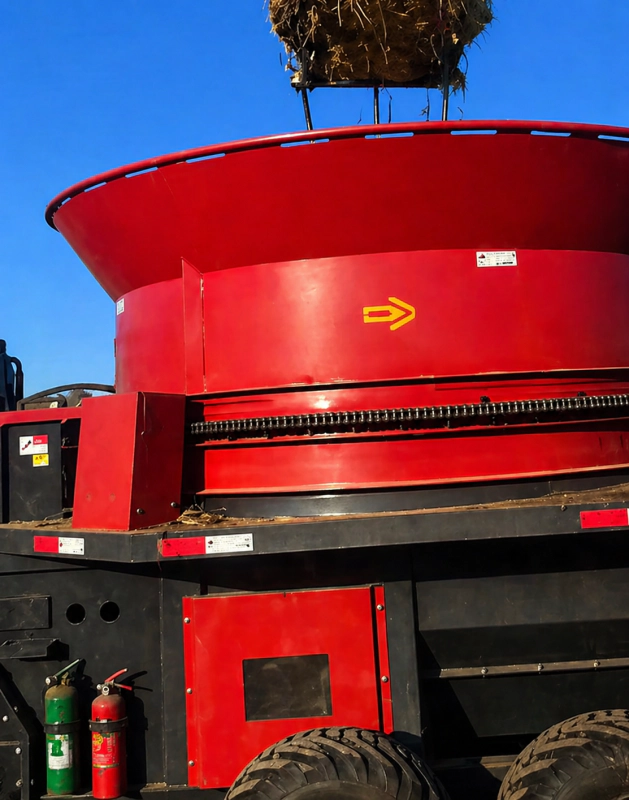
Most operators don’t realize that standard electric mills are highly susceptible to voltage drops when pushed hard with dense, wet forage (and trust me, we have rebuilt enough scorched stators to prove it). The trick is abandoning the grid entirely and relying on the undeniable, aggressive lugging power of a diesel block. When you shove a thick, tangled mass of sorghum into the hopper, an electric motor begs for mercy—but a properly tuned diesel engine just puffs a cloud of black smoke, drops a few RPMs, and violently chews right through the blockage. It is pure, uninterrupted agricultural productivity.
Sous le capot : Spécifications techniques brutes
I constantly advise farm managers to look past the glossy paint and dig straight into the performance numbers. A machine’s true capability is written in its weight-to-horsepower ratio. Here is the unvarnished data for our most requested off-grid heavy-duty hammer mill series, tested under punishing real-world workloads.
| Modèle d'équipement | Diesel Engine Output (HP) | Capacité de broyage (kg/h) | Taille d'écran compatible | Total Chassis Weight |
|---|---|---|---|---|
| 9F-50D | 12 – 15 HP | 800 – 1200 | 0,5 mm – 12 mm | 240 kg (529 lbs) |
| 9F-70D (Pro Series) | 18 – 25 HP | 1500 – 2500 | 0,5 mm – 15 mm | 380 kg (837 lbs) |
| 9F-90D (Max Output) | 30 à 45 CV | 3000 – 5000 | 1,0 mm – 20 mm | 620 kg (1366 lbs) |
Domination de l'ingénierie : ce qui maintient réellement cette machine en vie
We don’t just weld steel plates together and call it a day. Every mechanical component in this system was designed to solve a specific, infuriating problem that farmers face when working miles away from a repair shop.
🔥 1. Total Off-Grid Independence
Stop paying utility companies for expensive three-phase power drops! As long as you have a jerrycan of diesel, you are in business. You can tow this unit right to the edge of your cornfield, process the feed immediately, and load it straight into the bunkers. It eliminates massive logistical headaches and cuts your transport costs in half.
🔨 2. Tungsten-Carbide Coated Hammers
The internal rotor is an absolute weapon. We treat our flail hammers with a tungsten-carbide surfacing process. When spinning at high RPMs, these hammers act like a relentless metal storm, easily pulverizing dried corn cobs, woody cassava roots, and sandy grass roots. Our field data shows these components last up to three times longer than standard stamped steel blades.
🛡️ 3. Anti-Jam Massive Inertia Flywheel
The biggest killer of agricultural feed crushers isn’t the hardness of the crop—it is uneven feeding causing sudden shock loads. We engineered massive cast-iron flywheels onto the main rotor shaft. This stores an immense amount of rotational kinetic energy, allowing the machine to power through sudden dense clumps without stalling the diesel engine. It makes the feeding process incredibly smooth, even for rookie farmhands.
🇳🇱 4. Dutch Engineering & Custom Fabrication
Because Ever Power has deep roots in high-efficiency European agriculture, we refuse to push a “one size fits all” product. Need an extended hopper for front-end loader feeding? Need an integrated cyclone dust collector for a closed barn? Notre équipe d'ingénierie d'usine Elle personnalise ces caractéristiques directement sur la chaîne de montage, un service que les intermédiaires classiques ne peuvent tout simplement pas offrir.
🔧 5. Zero-Frustration Screen Changes
Swapping screens in a dusty barn usually requires a crowbar and a lot of cursing. We completely redesigned the milling chamber access. Unlatch two heavy-duty toggles, and the entire top housing flips open like the hood of a truck. You can slide a 2mm poultry screen out and drop an 8mm cattle screen in under 30 seconds flat. Total maintenance sanity.
🚜 6. All-Terrain Mobile Chassis
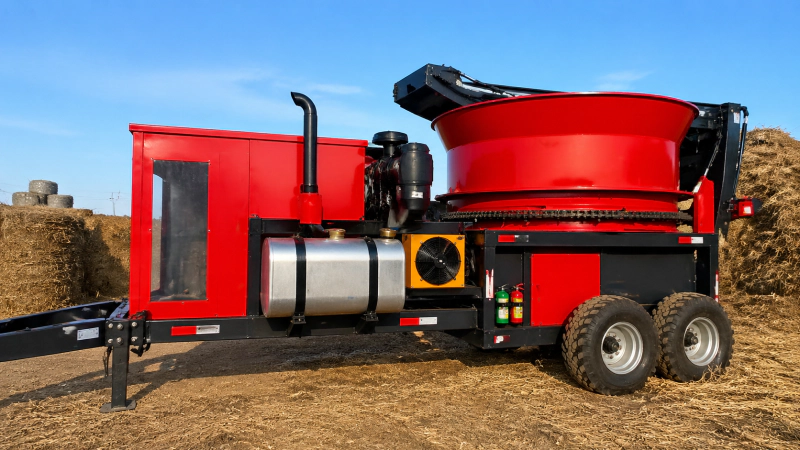
We built this to move. The base frame acts as an aggressive towable chassis equipped with heavy-duty dampening plates and off-road pneumatic tires. You can hitch it to a standard ATV, a tractor drawbar, or a pickup truck, bouncing down deeply rutted pasture trails right to the pen where the feed is actually needed.
The Insider’s Guide: Don’t Buy the Wrong Specs
I get frantic emails all the time from farm owners who bought the biggest, baddest machine they could find, only to realize their animals won’t eat the feed. It is a massive, expensive mistake. Choosing the right setup isn’t about maximum horsepower; it is about matching the mechanics to the biology of your livestock.
Your primary focus must be on the screen size and rotor speed. If you are operating a commercial poultry layer farm, monogastric animals need finely ground material to achieve proper nutrient absorption. For this, you need a high-RPM engine setting paired with a restrictive 2mm to 4mm screen. This creates a fine, powdery mash, but it demands significantly more diesel torque to force the material through those tiny holes.
However, if you are running a beef cattle feedlot, feeding them corn dust is a recipe for severe digestive acidosis! Ruminants require coarse texture (scratch factor) to stimulate chewing and proper rumen function. For cattle, you must throttle the RPMs slightly and utilize a massive 8mm to 12mm screen. This cracks the corn kernels cleanly with minimal dust production, lowering your fuel consumption drastically while keeping the herd healthy. If you are totally lost on how to calculate your expected Feed Conversion Ratio (FCR) against machine output, drop our technical team a line. We do this math every single day and will spec out the exact rig you need.
Où ce fer à repasser rapporte gros (Applications sur le terrain)
This isn’t a hobby farm garden shredder. This is high-yield commercial infrastructure designed to turn cheap raw biomass into premium digestible energy.
- Remote African/Southeast Asian Poultry Operations: Deep in areas with zero grid reliability, farmers use these diesel units to process locally sourced whole sorghum and dried cassava on the spot, mixing in fish meal to create high-protein rations. Escaping the stranglehold of commercial feed suppliers often doubles their profit margins within the first season.
- Large Scale Beef and Dairy Silage Prep: During the frantic autumn harvest, this mobile rig is towed directly into the fields. It violently pulverizes hard, dry corn stalks into a soft, fibrous state. This significantly increases the packing density in the silage bunker, squeezing out oxygen and guaranteeing a perfect, mold-free lactic acid fermentation for winter feeding.
- Commercial Aquaculture Feed Pre-Processing: Outfitted with our ultra-fine 1mm screens, the high-speed hammer action annihilates dried trash fish, shrimp shells, and soy into a microscopic powder. This creates the absolute perfect, uniform raw material base required before pushing the mix through a floating pellet extruder.
Témoignages de terrain (Avis d'opérateurs réels)
Engineers can talk theory all day, but the truth comes out when guys who are spending their own hard-earned cash put the equipment through hell. Here is what they report from the front lines.
“Running a poultry farm in rural Kenya means dealing with unpredictable rolling blackouts. We used to lose birds because we couldn’t process feed when the power dropped. I reached out to Ever Power as our main supplier and grabbed the 9F-70D with the 22 HP engine. It is an absolute beast. We process three tons of maize a day without a hiccup, and the unit paid for itself in six months.”
— James M., Commercial Poultry Operator, Kenya
“The Australian outback is completely unforgiving. During the brutal dry season, we actually have to harvest and crush rock-hard scrub brush to mix into the cattle feed just to keep the herd alive. Other brands had their hammers wear flat in a week. The tungsten-carbide hammers on this machine survived the entire drought. Getting it directly from their factory meant zero supply chain delays.”
— Oliver W., Outback Cattle Rancher, Australia
“In Mato Grosso, our acreage is so massive that hauling all the raw crop back to a central processing barn wastes thousands in fuel. I hitch this mobile diesel crusher to the back of my Hilux, drive it straight to the paddocks, and crush the feed on site. The cyclone dust collector attachment they customized for us is brilliant—no wasted nutrition blowing away in the wind.”
— Lucas S., Mixed Agriculture Manager, Brazil
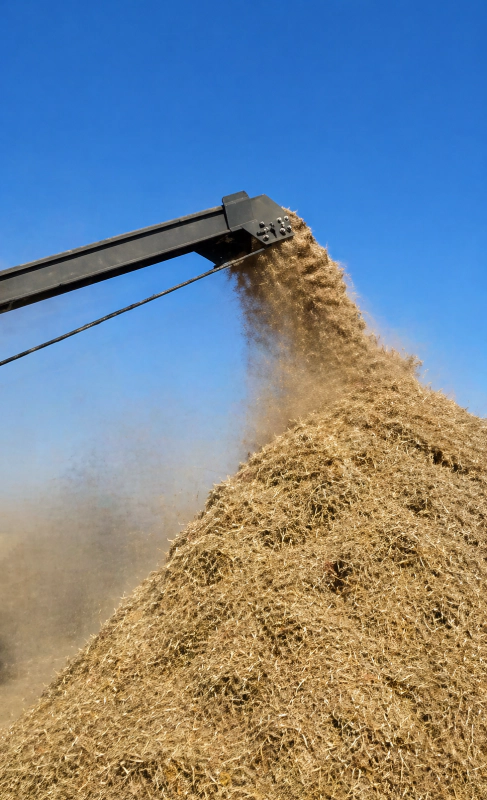
More Than Just Mowers: We Are Your Heavy Driveline Partner
There is a dirty secret in the agricultural equipment industry: most “brands” just buy pre-painted shells and bolt them to cheap catalog components. When a heavy bearing shears off mid-season, they shrug because they didn’t actually build it. We operate entirely differently.
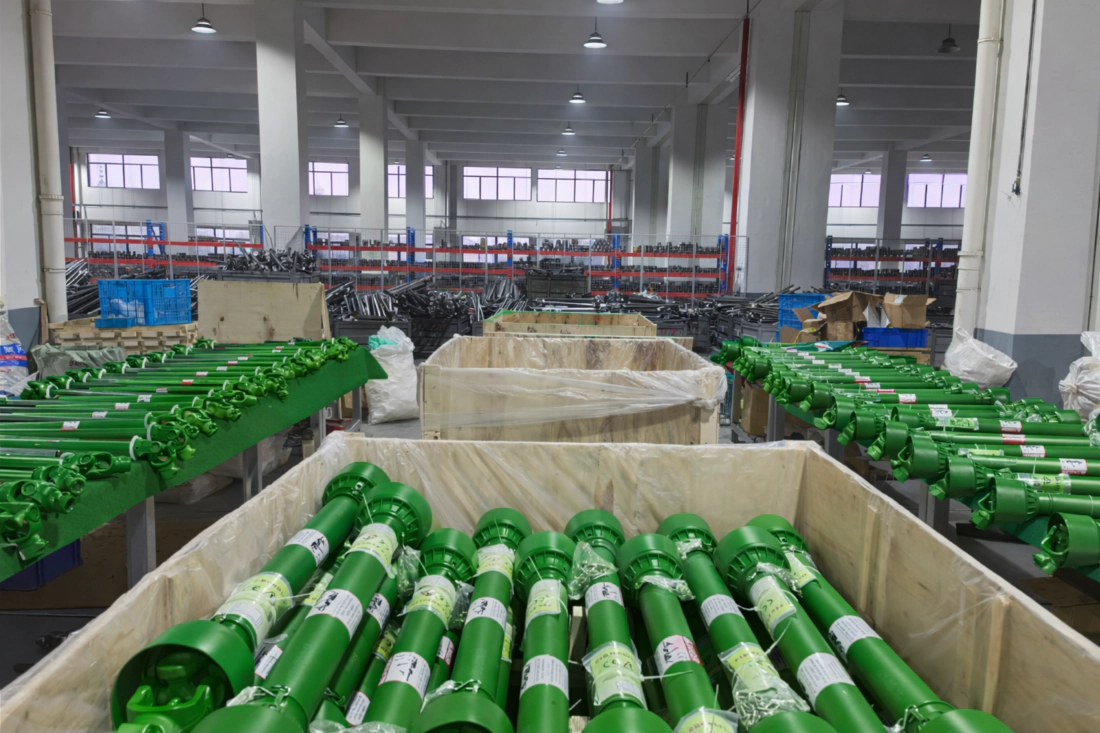
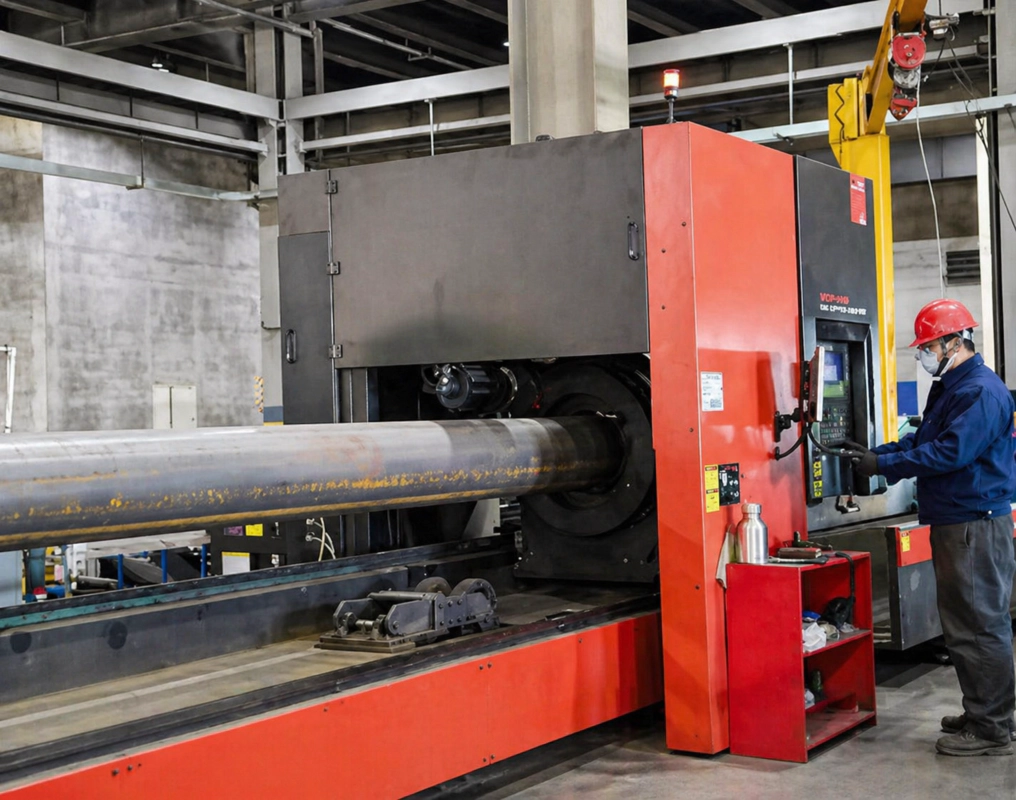
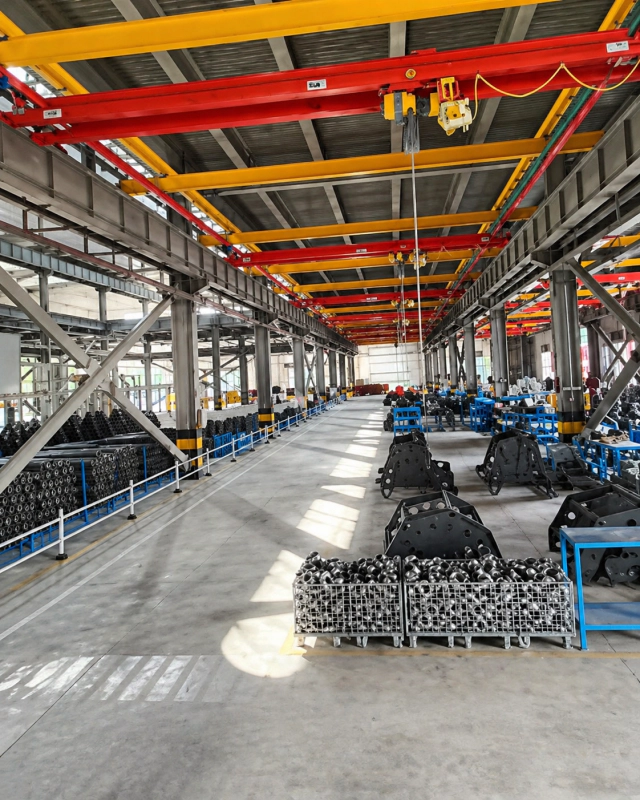
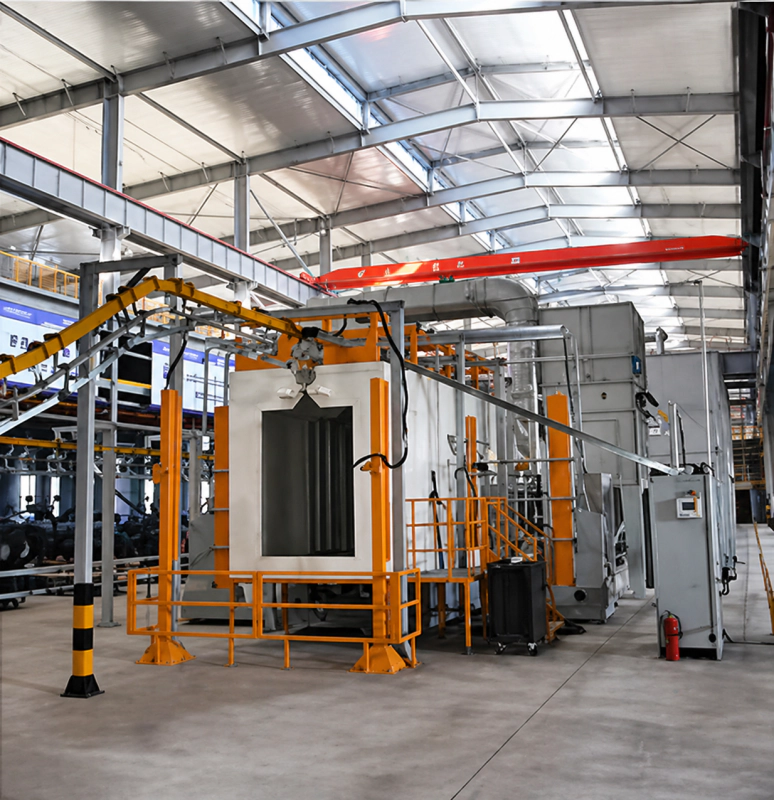
Ever Power is a deeply integrated manufacturer of core agricultural power transmission systems. From the high-pressure Vérins hydrauliques you see on massive implements, to the extreme-torque boîtes de vitesses that drive our rotors, down to the dynamically balanced Arbres de prise de force required if you decide to convert your unit to tractor-drive—we engineer and test every single piece in-house. When you run our equipment, you have the absolute confidence that if you somehow manage to destroy a universal joint out in the bush, one email gets an exact OEM-matched replacement pulled from our factory racks and air-freighted to your door.
Conversational FAQs from the Workshop
We field dozens of emails a day from guys trying to figure out the logistics of off-grid feed processing. Here are the most direct, unvarnished answers to the questions keeping you up at night.
How much does a commercial off grid diesel feed crusher machine cost directly from a supplier?
Which screen size is actually best for crushing whole maize for beef cattle feed?
Where can I get a custom quote for a mobile diesel poultry feed grinder in Africa?
What is the realistic maintenance schedule for the diesel engine and internal milling hammers?
Tired of Watching Your Profits Vanish During Power Outages?
Stop relying on a fragile electrical grid to keep your animals fed. Let’s talk about your daily feed volume, and we will configure a brutally reliable diesel workhorse that guarantees you process your crop on your own schedule.