Descripción
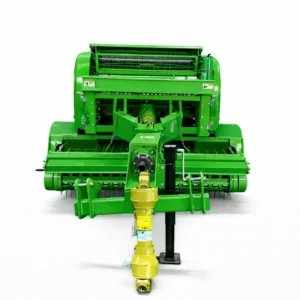
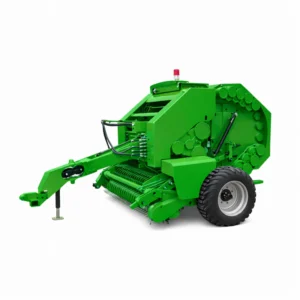
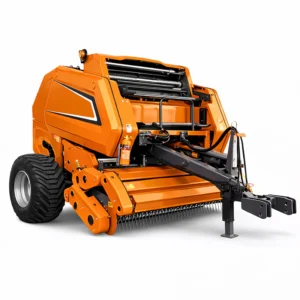
Working out in the field for nearly two decades teaches you one brutal truth about harvesting—if your round hay baler goes down, your whole season is practically on the line. As a direct factory supplier and custom manufacturer right here in the Netherlands, we’ve engineered a round hay baler that actually withstands the punishing realities of modern farming. Forget the flimsy commercial units you see from standard suppliers pushing mass-produced inventory. Our heavy-duty agricultural baling equipment delivers unmatched bale density and nutrient retention, making it the ultimate workhorse for serious operations. You want tighter bales, less leaf loss, and a machine that doesn’t jam up every fifty acres? You’ve come to the right place.
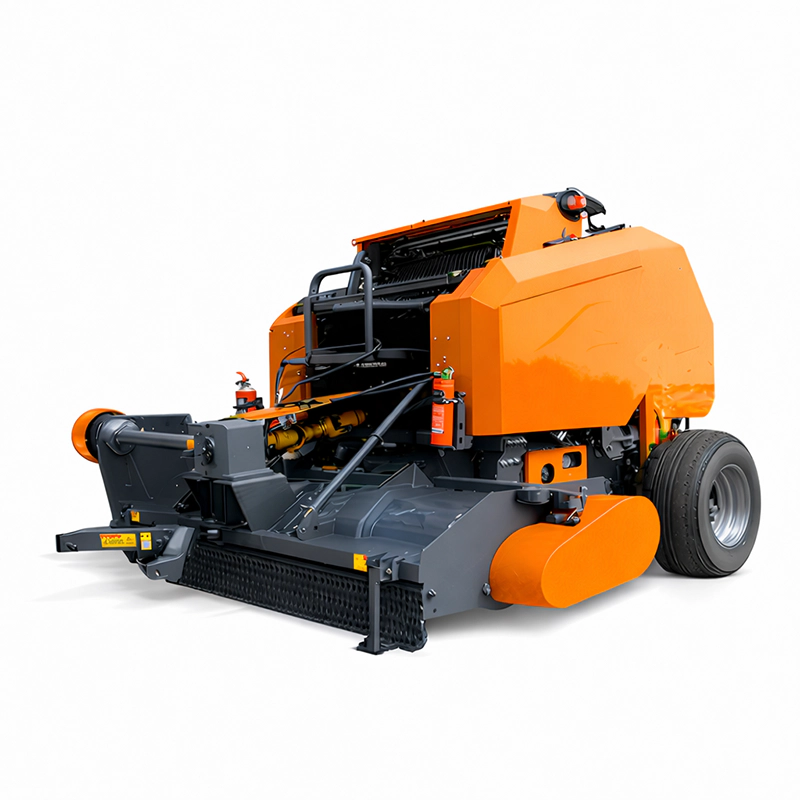
🚀 The Anatomy of a Real Workhorse: Overview & Core Capabilities
We’ve seen just about every way a harvest can go wrong (and let’s be honest, nobody likes un-plugging a jammed pickup reel in 90-degree heat while the rain clouds are rolling in over the hills). That’s exactly why the core architecture of our round balers focuses heavily on continuous crop flow. Whether you are dealing with brittle, dry straw or heavy, high-moisture silage, the intake capacity is what makes or breaks your day.
Most folks don’t realize that a significant percentage of crop nutrients are lost right at the pickup reel if the tines aren’t synchronized perfectly with the tractor’s forward speed. Our engineering team redesigned the cam-track mechanism to ensure the tines lift the windrow gently rather than beating it into the dirt. This means more protein stays in the bale and out of the field. Being a custom factory based in the Netherlands, we don’t believe in a one-size-fits-all approach—we build these machines to adapt to the specific moisture profiles of your regional crops.
⚙️ Technical Specifications & Custom Parameters
We leave the exact configuration up to your specific requirements, but here is the blueprint of what we can customize for your farm baling machinery setup. (Fill in the blanks based on your custom order needs).
| Item | Unit | Especificación |
| Model Name | / | 9EP-1.0C Type Round Baler |
| Drive Method | / | Belt Drive |
| Baler Width | mm | 2400 |
| Baler Structure | / | Claw Type |
| Inlet Structure | / | Knife + Blade + Screen |
| Press Structure | / | Welded Steel |
| Press Room Width | mm | 1250 |
| Press Room Diameter | mm | Φ1000 |
| Number of Press Work Units | / | 16 (sections) |
| Roller Diameter | mm | Φ222 |
| Crushing Method | / | Automatic Welding |
| Power Supply | Kw/hp | ≥69.8/95 |
| Structure Weight | kg | 3198 |
| Power Output Shaft Speed | r/min | 540 |
| Work Condition | / | Outdoor Type (L×W×H) |
| Grass Size (Length × Width × Height) | mm | 3800 × 2850 × 2200 |
| Grass Density Control | / | Frequency Converter Control |
| Grass Size (Width × Height) | mm | Φ100 × 1250 |
| Grass Density | kg/m³ | 115-200 |
| Yield Rate | / | 40-80 |
| Roller Distance | mm | 2100 |
| Velocidad de funcionamiento | km/h | 5-20 |
| Screen Size (Length × Width) | / | 2000 × 1.25 m / flat |
| Number of Claws | / | 20 |
🔥 Unfair Advantages in the Field
Look, the market is flooded with cheap imports that look great in a brochure but shear pins every time you hit a slightly thick patch of alfalfa. In our experience, the true cost of a baler isn’t the purchase price—it’s the downtime. Here is how our equipment keeps you moving:
✔️ 1. High-Density Variable Chamber Core
We utilize a heavy-duty, multi-belt system that starts compressing the hay the second it enters the chamber. This means you aren’t left with a soft “star-shaped” core that collapses when you stack it. Tighter bales mean less oxygen ingress, which directly translates to better fermentation if you are wrapping silage.
✔️ 2. Fail-Safe Edge-to-Edge Net Wrapping
There’s nothing more frustrating than a net wrap that bunches up in the middle. Our proprietary spreading auger ensures the net stretches right over the edges of the bale. This weather-proofs your hay significantly better than standard twine, shedding water off the top like a roof.
✔️ 3. Over-Engineered Driveline & Bearings
We don’t cut corners on the metallurgy. The primary drive chains are oversized, and we use double-lip sealed bearings on all high-rotation points. Dust and chaff are the enemies of moving parts, so we simply locked them out. You’ll spend less time with the grease gun and more time driving.
✔️ 4. Ultra-Wide Pickup with Crop Press Roller
When you have massive combine windrows, a narrow pickup is just going to bottleneck your operation. We engineered a sweeping, ultra-wide intake equipped with a floating crop press roller. This fluffs and feeds the crop evenly into the rotor, eliminating those dreaded uneven, lopsided bales.
✔️ 5. Drop-Floor Unplugging System
Even the best operators plug a baler occasionally. When it happens, you don’t even have to leave the tractor cab. With the push of a hydraulic lever, the chamber floor drops, allowing the blockage to pass right through to the chamber. It’s a lifesaver when the weather window is closing fast.
✔️ 6. ISOBUS Terminal Integration
The trick is making the machine communicate seamlessly with whatever tractor you happen to be running. Our advanced electronics integrate perfectly with standard ISOBUS monitors, giving you real-time moisture readouts, bale shape indicators, and automated tying triggers right on your existing screen.
🤔 Making the Right Call: How to Choose Your Equipment
I get on the phone with farmers every single week who are overwhelmed by the spec sheets. The reality is, choosing the right silage baler equipment comes down to matching the physics of the machine to the reality of your farm. You wouldn’t buy a massive 150 HP 5×6 baler if you only have a 75 HP utility tractor and tight gates.
You really need to look at your primary crop. If you are doing 80% wet silage, you absolutely need a fixed-chamber roller baler or a heavy-duty belt baler designed specifically for wet weight. Wet grass is incredibly heavy and sticky—it will snap the belts on a light-duty dry-hay baler in a matter of hours (and believe me, I’ve spent enough nights covered in grease fixing those exact mistakes to know this). Conversely, if you are doing delicate alfalfa, you want a variable chamber that allows you to manage the core density so the bale can breathe and cure properly in the field.
Another massive factor is your end-user. Are you feeding this to your own dairy herd out in the pasture, or are you transporting these bales 500 miles on a flatbed? If you are transporting, you need edge-to-edge net wrapping and maximum hydraulic compression to make those bales dense enough to max out the weight on the trailer without exceeding width restrictions.
🌾 Where These Machines Shine: Real-World Applications
These units aren’t just one-trick ponies. We’ve optimized the tensioning systems and rotor knives to handle a massive spectrum of forage.
- Alfalfa & Legume Hay: The gentle pickup geometry ensures the delicate, protein-rich leaves aren’t shattered before they make it into the bale.
- High-Moisture Silage & Haylage: Equipped with our heavy-duty chopping rotor, the machine pre-cuts the forage, packing it tightly to eliminate oxygen pockets for perfect lactic acid fermentation.
- Tough Crop Residues (Corn Stover & Soybean MOG): Corn stalks are notoriously abrasive. The hardened steel components and reinforced chamber walls on our models withstand the aggressive wear and tear that usually destroys standard agricultural baling machinery.
- Cereal Straw: Straw is incredibly slick and hard to start in a chamber. Our profiled rollers grip the straw instantly, preventing slipping and ensuring a tight, weather-resistant core.
💬 Straight from the Tractor Cab: What the Operators Say
Don’t just take the word of an old engineer. Here is what folks dealing with real dirt, real rain, and real breakdowns have to say about running our gear.
“We deal with some brutal heat down here in Texas, baling coastal bermudagrass. Dust gets into absolutely everything. The sealed bearings on this Netherlands-built machine are no joke. We ran 4,000 bales last season and didn’t have a single hot bearing. It just eats whatever windrow you put in front of it.”
— Dave M., Beef Cattle Operation, Texas, USA
“With our weather windows in Bavaria, we often have to switch from dry hay to wet silage on the same day if a storm is coming. The drop-floor system saved us twice this year when we pushed the forward speed too hard on heavy, wet grass. Unplugged it from the cab in 30 seconds and kept moving. Brilliant bit of engineering.”
— Klaus B., Dairy Contractor, Germany
“Rolling oat hay out in Western Australia is tough on equipment—the stalks are thick and unforgiving. We ordered a custom spec from Ever Power, and the high-density core it produces means we are getting way more weight onto our road trains. Less trips, less fuel. It pays for itself.”
— Liam T., Export Hay Producer, Australia
🔗 The Lifeblood of Your Baler: PTO Shafts, Gearboxes & Spares
You can have the best baling chamber in the world, but if your driveline vibrates or your gearbox overheats, you are parked on the edge of the field making angry phone calls. Because we are a comprehensive manufacturer, we don’t just assemble—we engineer the entire power transmission system.
We supply heavy-duty, dynamically balanced PTO shafts featuring wide-angle constant velocity (CV) joints. This allows you to make sharp headland turns without disengaging the PTO, saving you massive amounts of time. Our right-angle gearboxes are forged and milled in-house, designed to handle extreme torque spikes when that heavy slug of wet silage hits the rotor.
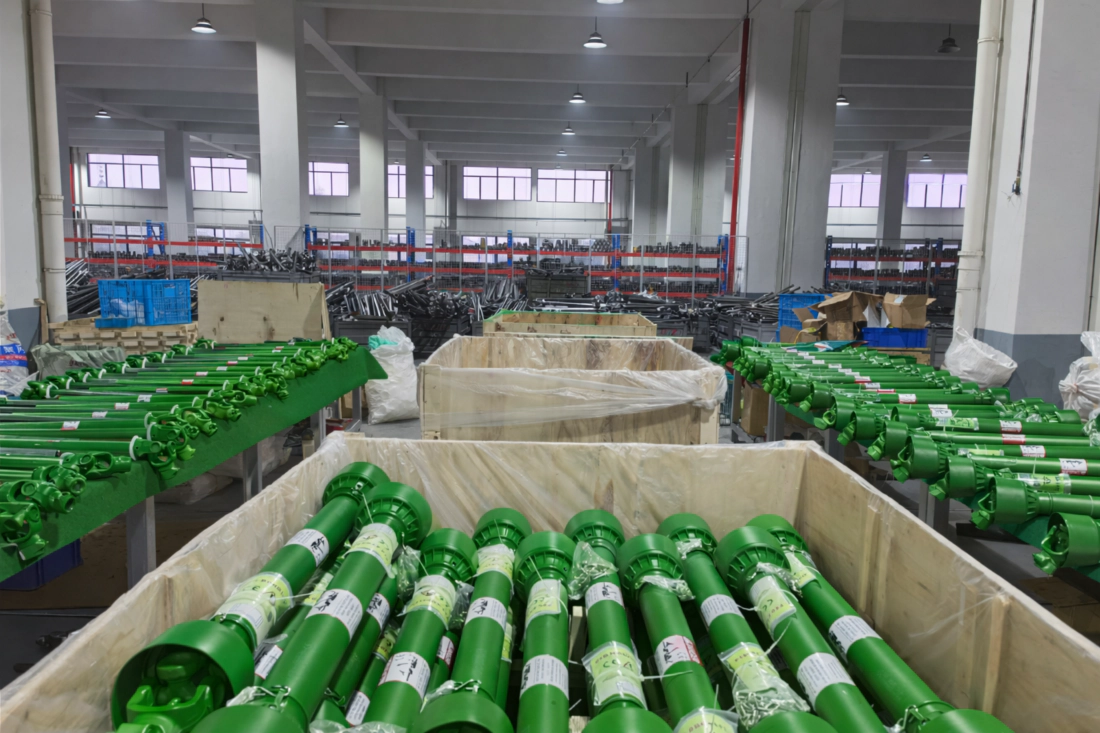
Custom-milled gearboxes and wide-angle PTO shafts engineered for extreme agricultural torque.
🛠️ The Shop Floor: Frequently Asked Questions
We field a lot of questions from folks trying to dial in their setups. Here are the most common technical hurdles we help our clients clear.
🗣️ How much does a custom heavy-duty round hay baler cost directly from a Netherlands supplier?
The price of a custom heavy-duty round hay baler from our Netherlands factory typically ranges between $35,000 to $65,000 depending on the specific ISOBUS tech, chamber type, and whether you require a pre-chopping rotor system for silage. Since you are dealing directly with the manufacturer, you avoid the massive retail markups usually seen at local dealerships, meaning you get a commercial-grade machine for a highly competitive quote.
🗣️ What is the best round hay baler for handling high-moisture wet silage in tight European weather windows?
For high-moisture wet silage, the best round hay baler is a fixed-chamber roller model equipped with a drop-floor unplugging mechanism and a minimum 15-knife chopping rotor. This specific setup guarantees tight, oxygen-free fermentation cores while allowing operators to push through heavy, sticky crops at high forward speeds without risking hours of downtime from intake blockages.
🗣️ Which tractor PTO speed is required to efficiently operate a commercial silage baling equipment setup?
Most of our commercial silage baling equipment operates highly efficiently on a standard 540 RPM PTO connection, though for extremely dense crops or when utilizing a high-knife-count chopping rotor, stepping up to a 1000 RPM PTO system is highly recommended to maintain rotor momentum and prevent the tractor’s engine from bogging down during peak intake surges.
🗣️ Where can I find a reliable factory manufacturer to order replacement belts and gearboxes for my baler?
You can source all your heavy-duty replacement belts, right-angle gearboxes, and wide-angle PTO shafts directly through our Ever Power Netherlands factory supply portal. We engineer and stock OEM-level driveline components that ship globally, ensuring your agricultural machinery experiences zero unnecessary downtime during critical harvest weeks.
🗣️ When is the right time to transition from standard twine wrapping to an edge-to-edge net wrap system?
You should transition from twine to an edge-to-edge net wrap system when you are losing more than five percent of your crop to outdoor weather spoilage, or when the time spent waiting for the twine arms to cycle is bottlenecking your daily bale count. Net wrap sheds rain significantly better, maintains shape during long-distance transport, and applies in seconds.
Ready to Upgrade Your Harvest?
Don’t let subpar machinery dictate your crop quality. Reach out to our engineering team for a customized quote tailored exactly to your tractor and field conditions.