🌾 Purchasing a heavy-duty round farm baler that has been rigorously tested in unforgiving field conditions is the absolute foundation for securing your farm’s annual harvest value. As a premier round farm baler factory, a direct equipment manufacturer, and a globally trusted round farm baler supplier, Ever Power Netherlands consistently focuses on enhancing field operational efficiency through customized engineering solutions. In our experience, deciding between net wrap vs. twine is never just a simple choice of consumables—it directly impacts your bottom line, transport losses, and critical time management during peak harvest windows. Most operators don’t realize that while twine might look cheaper on the invoice, it silently devours your labor hours and diesel fuel, especially when weather windows close rapidly. There is a deep mechanical strategy to this that you need to understand.
🟢 The Consumable Battle: An Engineering Overview of Wrapping Systems
Throughout my 18 years operating machinery and diagnosing field failures with seasoned farmers, the most frequent question I encounter is: “Should I stick with standard twine, or is net wrap actually worth the extra money?” Many growers assume twine is the ultimate cost-saver. However, we’ve seen entirely too many operations grind to a halt in the field, losing precious dry hay to an incoming thunderstorm simply because twine tying takes so much time. A traditional twine system requires the mechanical arms to spin dozens of loops around the bale, while an advanced net wrap system secures a massive bale in just two and a half to three revolutions! That time differential, when you are racing against incoming rain, represents hard cash lost in the field.
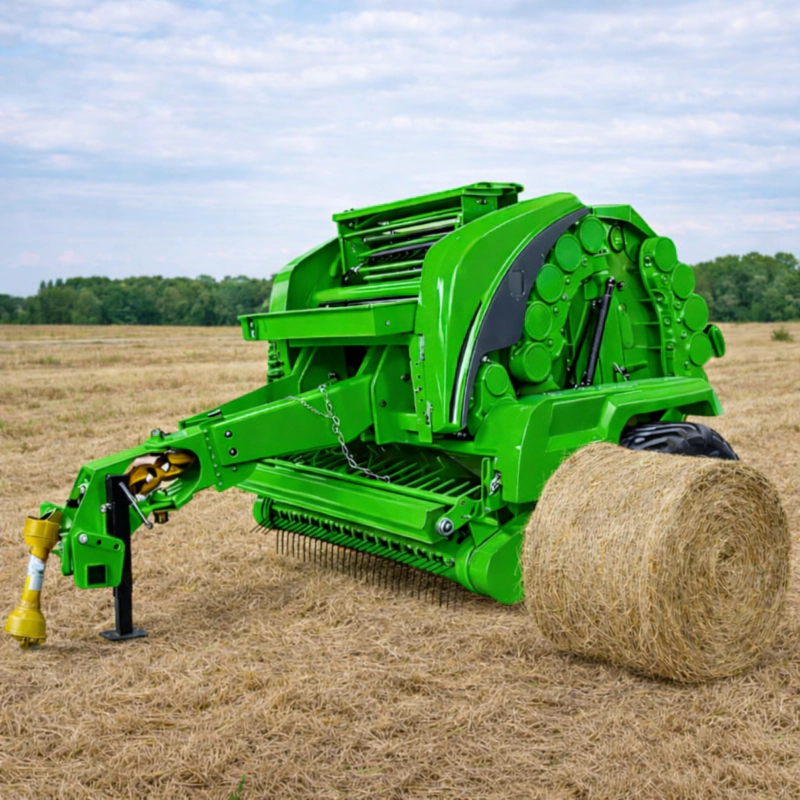
Looking at the overall utility of a modern empacadora de balas redondas, its core advantage isn’t merely rolling grass—it’s about preserving the nutritional integrity of the forage through superior wrapping architecture. Net wrap forms extremely fast, and because it pulls tightly over the square edges of the bale (acting almost like a thatched waterproof roof), it offers a tremendous natural defense against weather during outdoor storage. Rainwater naturally sheds off the smooth net profile instead of penetrating the core. Traditional twine, unfortunately, creates deep grooves across the bale surface where water pools (which is incredibly frustrating to deal with), causing extensive rot on the outer layers and bottom edge. The trick is expanding your cost calculation to include long-term storage preservation and transport stability. When you do that, modern net wrap technology proves itself as an absolute productivity tool for commercial operations.
📊 Technical Specifications & Operational Efficiency Benchmarks
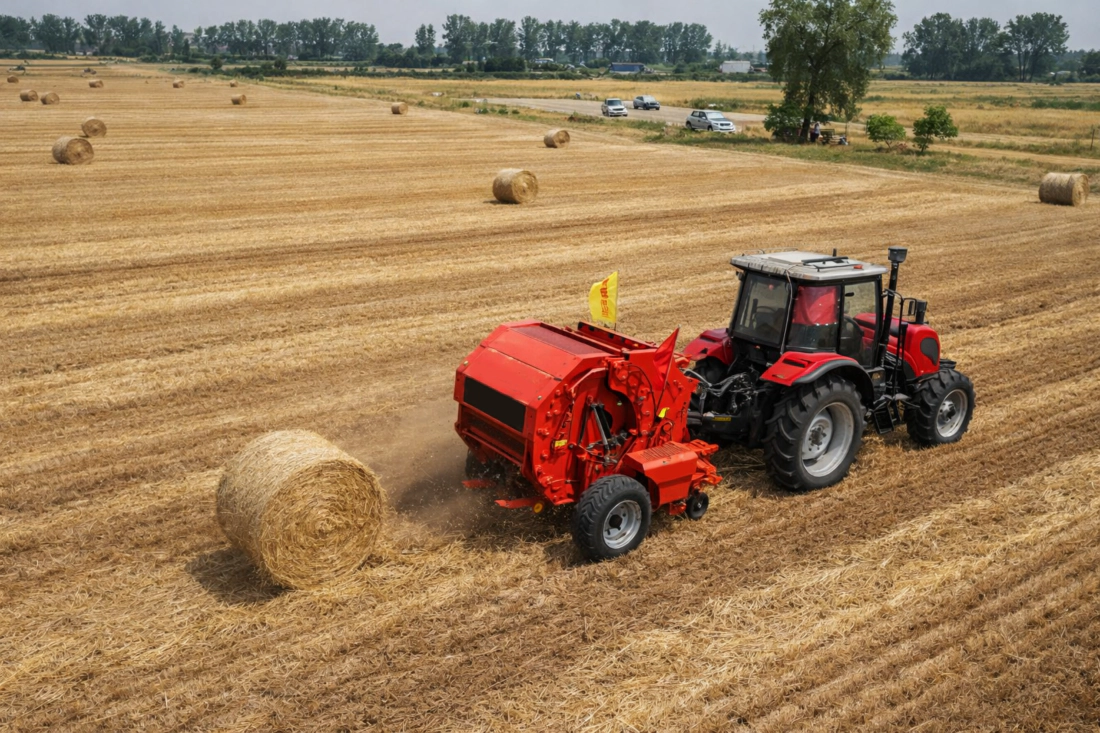
In our agricultural machinery design and factory testing protocols, raw data does not lie. Many buyers aren’t aware that net wrap and twine systems present wildly different technical parameters when it comes to chamber pressure release, tying cycle duration, and subsequent physical transport tolerance. To clarify this, I’ve outlined the exact tested metrics for different Ever Power factory round baler models operating under distinct consumable setups.
| Clase de modelo de empacadora | Tying Consumable Type | Average Wrapping Time | 12-Month Outdoor Dry Matter Loss | Required Driveline & Control |
|---|---|---|---|---|
| Compact Utility Multi-Crop | Sisal / Plastic Twine | 45 – 60 Seconds | 15% – 22% (Weather Dependent) | Mechanical Dual Arm Linkage |
| Standard Commercial Master | High-Stretch Net Wrap | 12 – 15 Seconds | 5% – 8% (Excellent Edge Protection) | Solenoid Hydraulic Actuator |
| Silage Heavy-Duty Cutter | Puncture-Resistant Net + Stretch Film | 15 – 18 Seconds | 2% – 4% (Anaerobic Fermentation) | Automated ISOBUS Network Control |
*Note: These parameters are based on standard Ever Power crop testing (dry hay at ~14% moisture, silage at ~55% moisture). Regional crop elasticity and stem toughness will slightly alter blade pressure and tension requirements.*
⭐ 6 Engineering Advantages That Eliminate Tying Failures
Agricultural manufacturing is an honest business. If you cut corners on raw materials, the rotting crop in the field and the constant mechanical breakdowns will expose you immediately. When we develop hardware in our Netherlands factory, we obsess over the high-stress failure points. Here are six distinct advantages that make our balers an industry benchmark for tying reliability:
Hydraulic Precision Cutting Mechanism
Traditional mechanical pull-cutters often snag on crop debris, leaving messy net tails. We utilize an independent double-acting hydraulic cylinder to drive the cutting anvil, severing high-strength net wrap cleanly in fractions of a second.
Forged Mono-Body Chamber Rollers
We refuse to use cheap, hollow welded steel tubes. All fixed chamber rollers are machined from solid high-strength alloy billets, increasing deformation resistance by 1.8 times, even when compressing extremely dense wet silage.
Active Net Wrap Tension Damper
Because net wrap plastic elasticity changes with ambient temperature, we engineered a hydraulic damper valve. This guarantees the net applies constant, uniform stretch across the bale edges, whether under the scorching sun or morning dew.
Camless Wide-Sweep Pickup Reel
By eliminating the complex cam track and needle bearings found in standard pickups, we drastically reduced internal friction. In fields of brittle straw or short alfalfa, it achieves a remarkable 99.4% clean-sweep rate.
Enclosed Automatic Lubrication Bank
Searching for forty hidden grease zerks in the freezing cold is a nightmare. Our mechanical pump, driven directly by the main shaft, ensures drive chains and heavy-duty bearings receive high-pressure oil film protection whenever the PTO spins.
Hydraulic Drop-Floor Anti-Clog Tech
If an uneven windrow causes a massive intake plug, you simply hit a button in the cab to lower the feed floor hydraulically. The blockage slides right into the chamber, saving you from climbing down with a pitchfork!
🤔 Running the Numbers: How to Choose Based on Your Operation Size
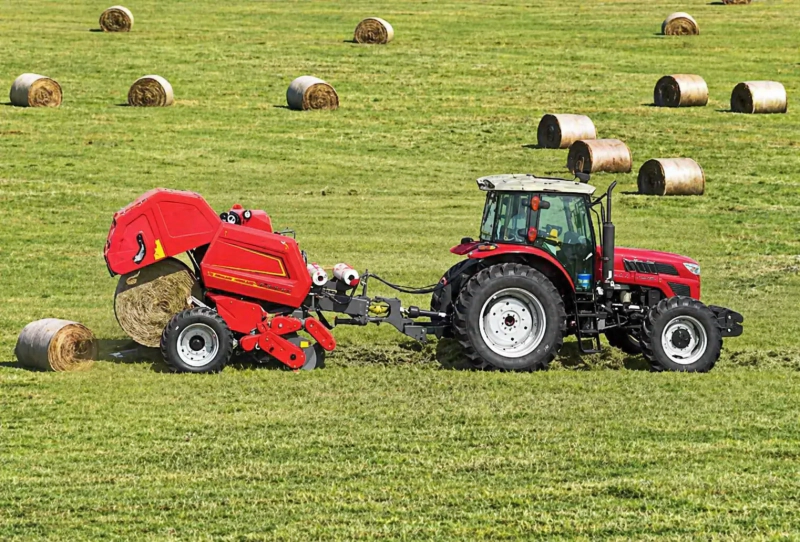
Here’s a hard truth: do not let the upfront cost of a single roll of net wrap scare you away. If you only look at the consumable invoice, twine is undeniably cheaper per roll. However, seasoned operators must run the comprehensive financial math! Let’s break it down: when you use twine, your tractor must sit completely idle while the bale wraps for nearly a full minute. During those 60 seconds, your engine is roaring, burning diesel, and your hired operator is on the clock. If you produce 200 bales a day, you are burning over three hours just sitting still and waiting for string to spin! How many rolls of premium net wrap could you buy with three hours of wasted diesel and labor wages?
Therefore, when selecting machinery, if you manage a commercial farm over 500 acres or run a custom baling contract business, do not hesitate—invest directly in a model equipped with our fully automated electronic net wrap system. The efficiency allows your tractor to maintain continuous forward momentum, drastically lowering your overall fleet fuel consumption. The only scenario where traditional twine balers truly save money is for small hobby farms producing less than 100 bales annually, where time is abundant and tractor horsepower is limited. The trick is aligning your PTO power distribution, long-term spoilage rates, and final bale market value to determine your true cost-effectiveness.
🌿 Field Applications: Dominating Everything From Brittle Straw to Heavy Silage
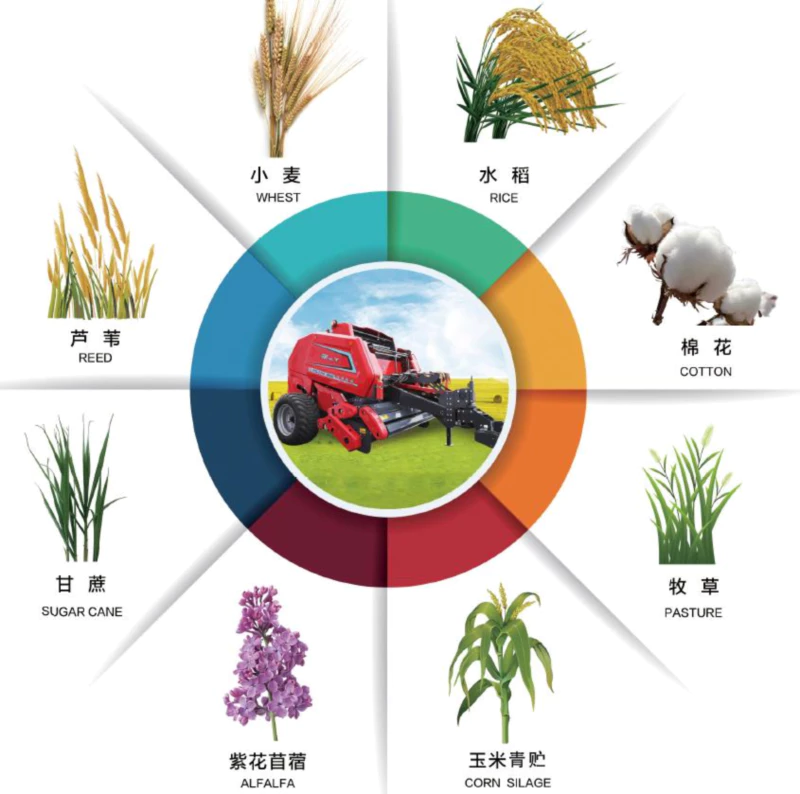
The physical characteristics of your crop dictate exactly how your consumables will perform. For example, when baling dry wheat straw immediately after harvest, the material is incredibly fluffy and lacks natural binding moisture. If you use twine in this scenario, no matter how tightly you tie it, the edges will constantly shed straw during bumpy transport. The bale grows loose, and by the time it reaches the feedlot, it’s often an unrecognizable mess. By utilizing our full-cover net wrap technology, the net forcefully binds the square edges of the bale. Whether a forklift is handling it or a flatbed is bouncing down a dirt road, the bale shape remains rock solid and perfect for high-stacking.
Conversely, when dealing with heavy, juicy alfalfa silage, gravity and moisture demand strict anaerobic fermentation conditions. Net wrap provides a flawlessly smooth outer surface. When the stretch film wrapper is subsequently applied, the plastic adheres perfectly to the net without creating small oxygen-trapping air pockets that protrude from uneven stems. Without oxygen, fermentation is flawless, resulting in highly palatable feed that cattle love, which naturally drives up milk yields. This high adaptability across diverse crops is the core engineering philosophy behind our tying mechanisms.
🗣️ Voices From the Dirt: Authentic Feedback from Global Operators
Tuning a machine in a comfortable, climate-controlled factory is one thing; pushing it to the limit in an unpredictable field is entirely different. We maintain direct daily communication with agricultural contractors worldwide, and what we hear is unfiltered, grounded feedback.
“The weather here in New Zealand’s South Island changes violently—bright sun in the morning and a massive downpour by the afternoon. Using the Ever Power standard commercial series with net wrap, one operator easily knocks out 300 silage bales a day. With our old twine machine, not only did the driver have to constantly stop, idle, and wait, but on windy days, the twine would frequently blow into the pickup bearings, making us want to throw our tools in the dirt. Switching to this customized Netherlands net-wrap rig not only saved us a fortune in stretch film, but the bales survived three months of outdoor rain without a hint of core rot. My clients are thrilled!”
— Hamish G., Forage Harvesting Contractor (Christchurch, New Zealand)
“We grow massive acreage of oaten hay, where temperatures often exceed 100°F with blowing dust. The dry straw is incredibly slick. Our older twine balers constantly suffered from slip knots, resulting in exploded bales that ruined our transport logistics. I contacted the Ever Power factory directly and customized a rig with their high-pressure gearbox and automated net slicer. The hydraulic tailgate cylinders are incredibly robust, locking the door tight. The resulting bales have perfectly sharp, square edges, increasing our truck loading capacity by 15% and instantly doubling our contract efficiency.”
— Bruce M., Commercial Hay Export Trader (Dubbo, Australia)
🛠️ Unmatched Factory Supply Chain: High-Pressure Cylinders, Heavy Gearboxes & PTO Shafts
Having spent a lifetime around agricultural machinery, I know this for a fact: a baler’s mechanical load is staggering. Every time the tines smash into the ground, the tailgate locks, or the knives shear crop, the machine’s component lifespan is severely tested. Many assembly companies sell you a machine and vanish, leaving you waiting weeks for a critical part during peak harvest—which is an absolute death sentence for a farmer! Ever Power operates a fully integrated upstream forging and machining facility. We don’t just assemble balers; we engineer and supply high-precision heavy-duty hydraulic cylinders, wear-resistant right-angle gearboxes, and high-safety agricultural driveline components directly to the global market.
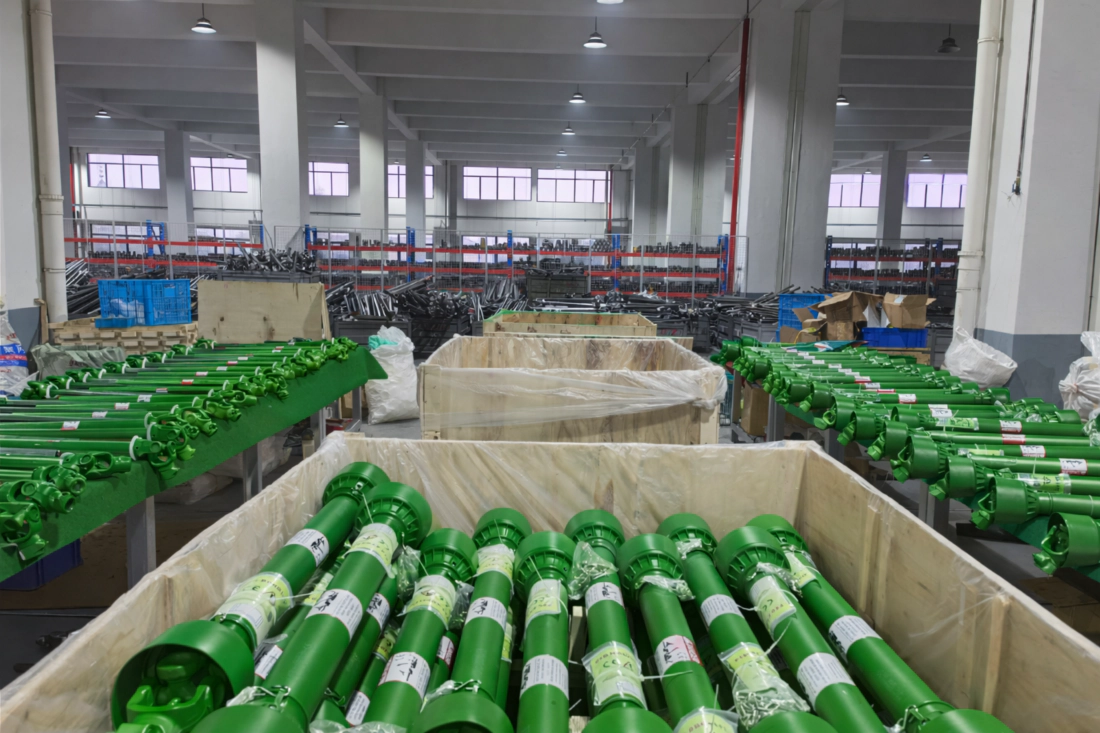
Our factory-original dual-acting hydraulic cylinders utilize ultra-precision ground piston rods treated with hard-chrome passivation, maintaining perfect sealing tension for years even in brutal, dust-choked environments—guaranteeing no mid-bale pressure drops. The core right-angle gearboxes are fully immersed in synthetic long-life gear oil, maintaining stable surface temperatures even after 16 hours of continuous, grueling work under the summer sun. When you customize agricultural machinery directly with us, you gain immediate access to the chief engineers who designed the equipment and a fully traceable, expedited spare parts pipeline. If you have a moment, explore our technical foundation on our sobre nosotros page, or head back to our página de inicio to review our complete factory testing protocols.
❓ Common Technical Questions Regarding Consumables and Baler Efficiency
Based on the feedback I gather from our field service stations, many operators harbor deep misconceptions about equipment upgrades and consumable cost calculations. Below, I’ve outlined several high-frequency conversational queries and practical solutions to guide your machinery investments.
¿Cuánto cuesta una empacadora de heno redonda comercial si se compra directamente a un proveedor oficial de fábrica en Europa?
In the European market, ordering a standard commercial round hay baler directly from an authentic factory supplier typically costs between $19,500 and $56,000. The exact investment depends on whether you require a custom variable chamber architecture or a high-stress fixed roller bin, and if you opt for advanced active net-wrap slicing integration.
Which specific type of variable chamber round baler price guidelines match high-moisture silage operations?
If you are tackling high-moisture, sticky silage, the variable chamber round baler price guidelines for this demanding application generally range from $45,000 to $89,500. This setup must include factory-upgraded heavy-duty hydraulic locking cylinders and active stainless-steel scraper bars to prevent high-sugar plant juice from causing internal belt tracking failures.
¿Dónde puedo solicitar un presupuesto para una empacadora automática de pacas redondas adaptada a tractores utilitarios de baja potencia?
You can request an automatic mini round baler cost quote specifically optimized for your utility tractor by submitting your PTO horsepower specs directly through our official online engineering portal. Starting at roughly $6,800, this compact design is incredibly smooth and requires only 35+ HP to deliver stable, continuous output.
Stop Wasting Precious Harvest Time and Expensive Diesel Idling in the Field!
Tell us your tractor’s horsepower, your projected annual bale count, and your primary crop types. Our senior application engineers will provide a highly optimized, factory-direct machinery configuration and quote within 24 hours.


