Descripción
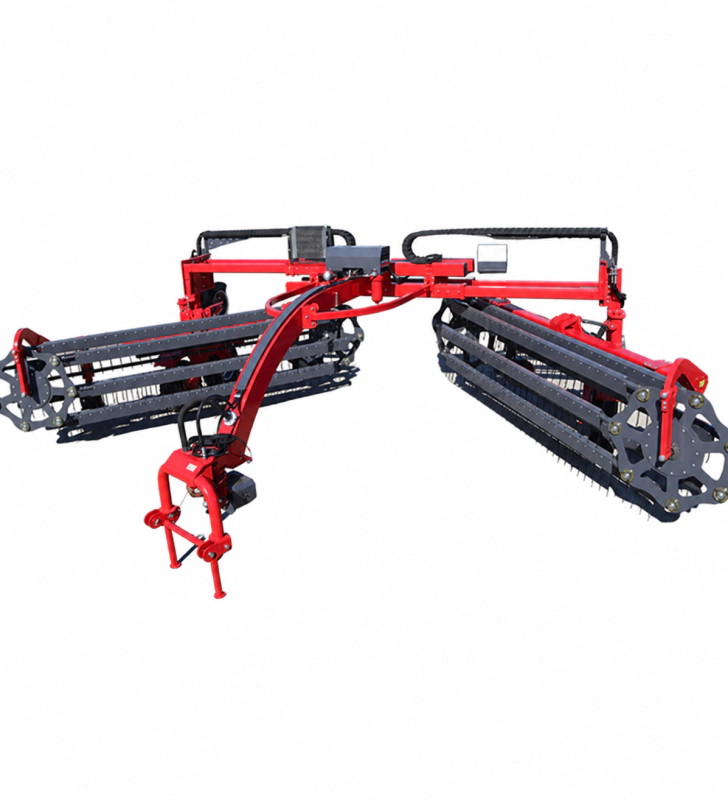
Vayamos al grano. Cuando uno se apresura para ganarle la batalla a una tormenta y cosechar ese cultivo rico en proteínas, lo último que necesita es una máquina que convierta las delicadas hojas de alfalfa en polvo. Conservar la masa foliar es la principal ventaja de una verdadera rastrillo de heno de rodillosPorque ahí es precisamente donde residen su valor nutricional y su margen de beneficio. Como empresa dedicada a la maquinaria agrícola fabricante y una global directa proveedor, nuestra empacadora de heno personalizada de alta resistencia fábrica En los Países Bajos, llevamos años perfeccionando equipos que tratan su forraje como si fuera oro. Fabricamos máquinas diseñadas para barrer y levantar el cultivo con delicadeza, evitando la torsión y el arrastre de tierra que caracterizan a los diseños rotativos o de ruedas tradicionales. Si busca una hilera más limpia, un secado más rápido y un aumento significativo en el valor nutritivo relativo (VNR), está en el lugar indicado.
💡 Desglosando la magia mecánica
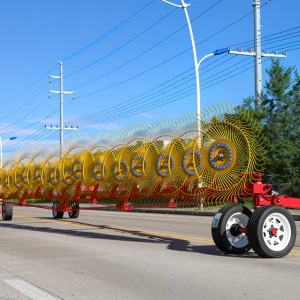
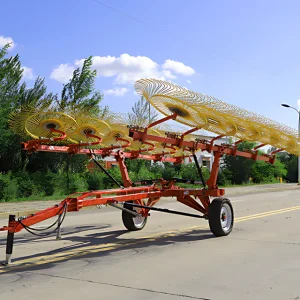
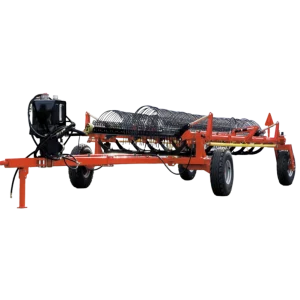
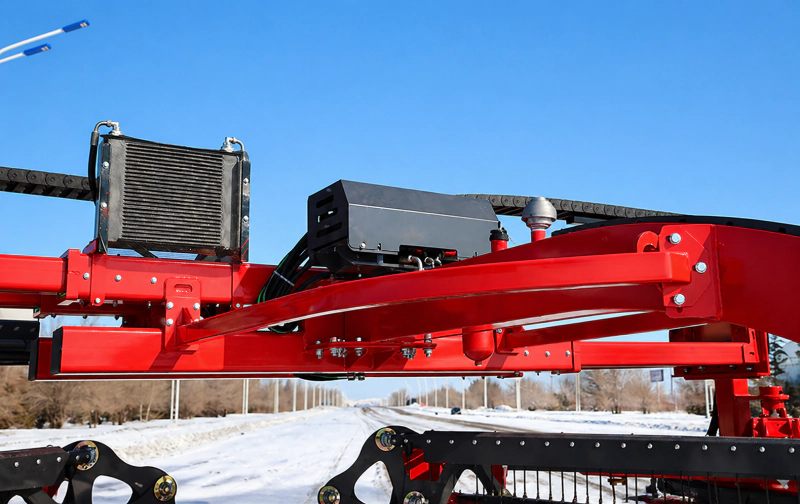
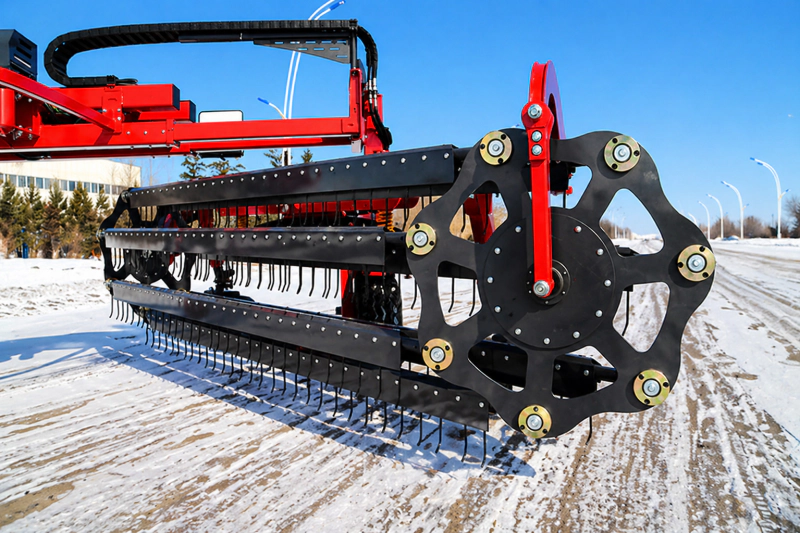
Lo hemos visto una y otra vez en el campo. Un agricultor pasa un rastrillo de ruedas tradicional por terreno ligeramente irregular, y este se hunde, arrastrando piedras, terrones de tierra y rastrojo viejo directamente al centro de la hilera. Es una pesadilla para los operarios de las empacadoras y aún peor para el ganado que lo come después. La brillante ingeniería detrás del concepto de rodillo cambia por completo esta dinámica. En lugar de depender del contacto con el suelo para hacer girar una rueda, este sistema utiliza rotores horizontales accionados hidráulicamente o por la toma de fuerza, equipados con púas muy flexibles y duraderas.
El secreto reside en su aerodinámica de barrido. La rotación a alta velocidad crea una sutil corriente ascendente (casi como un efecto de vacío) que levanta suavemente el cultivo antes de desplazarlo lateralmente por el campo. Dado que las púas están suspendidas justo por encima de la superficie del suelo —normalmente a unos dos o tres centímetros—, nunca llegan a raspar la tierra. El resultado es un barrido impecable. No puedo contarles cuántas veces los administradores de fincas más experimentados se han quedado junto a la valla observando una de estas máquinas, completamente asombrados por la velocidad a la que se desplaza el tractor, dejando tras de sí un campo tan limpio y despejado. Todo se debe al riguroso equilibrado de fábrica y a la ingeniería de precisión de las barras del rotor.
⚙️ Especificaciones técnicas sin filtrar
Necesitas datos concretos para saber si este equipo se ajusta a tu flota actual. No nos escudamos en estrategias de marketing llamativas; estas son las especificaciones reales, probadas en campo, de nuestros modelos de producción más populares. Ten en cuenta que, como gestionamos toda la planta de fabricación, ajustar los requisitos de caudal hidráulico o el ancho estructural para tu terreno específico es algo habitual para nosotros.
| Serie de modelos | Ancho de trabajo (m) | Potencia del tractor (HP) | Velocidad de la toma de fuerza (RPM) | Peso (kg) | Barras de dientes/rotor |
|---|---|---|---|---|---|
| EP-R300 (Compacto) | 3.0 | 35 – 55 | 540 | 520 | 5 |
| EP-R550 (Pro Front) | 5.5 | 65 – 90 | 540 / 1000 | 890 | 6 |
| EP-R800 (Máxima potencia) | 8.0 | 100+ | 1000 | 1650 | 7 |
🚀 Ventajas comprobadas en la práctica que justifican la inversión.
Una cosa es recorrer una sala de exposición, pero es al arrastrar una pieza de acero por el barro, las rocas y la vegetación densa y enmarañada donde realmente se descubre de qué está hecha. A lo largo de los años, tras analizar su rendimiento en miles de hectáreas, hemos comprendido con exactitud por qué las grandes explotaciones están reemplazando sus equipos antiguos por esta arquitectura específica.
1. Protección extrema de las hojas
Según nuestra experiencia, hasta 701 TP3T de la proteína nutricional de las leguminosas se encuentra exclusivamente en las hojas. El suave movimiento horizontal de barrido de un rastrillo para heno de alfalfa minimiza el impacto. Observamos consistentemente pruebas de laboratorio que muestran una tasa de retención de hojas de entre 90 y 951 TP3T en comparación con alternativas rotativas más agresivas.
2. Reducción del contenido de cenizas
Los ganaderos saben que un alto contenido de cenizas (tierra) perjudica la producción de leche. Gracias a nuestro sistema de suspensión, los rotores se deslizan con seguridad por encima de la capa de tierra, lo que permite recolectar materia vegetal pura y limpia sin remover la capa superficial del suelo.
3. Hileras esponjosas y transpirables
Las hileras compactas y atadas con cuerdas atrapan la humedad en su interior, lo que provoca moho y una peligrosa acumulación de calor en la paca. Esta máquina dispersa el cultivo con suavidad, formando una hilera cuadrada y muy aireada que permite que el viento la atraviese, reduciendo drásticamente el tiempo de secado.
4. Cosecha de alta velocidad
Cuando el radar meteorológico indica la llegada de un frente de tormenta masivo, es necesario volar. Al no tener la intensa fricción con el suelo de los implementos tradicionales, puede aumentar la velocidad de su tractor a 15-20 km/h en terrenos relativamente planos sin comprometer la calidad del barrido.
5. Contorneado superior del terreno
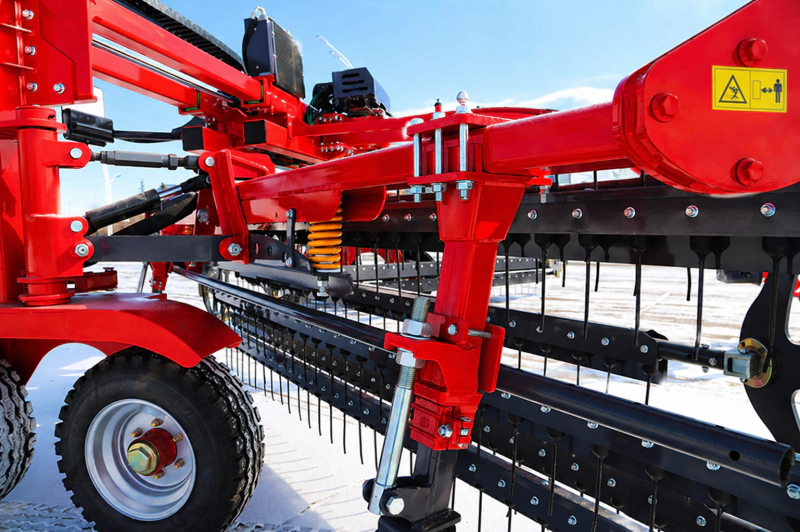
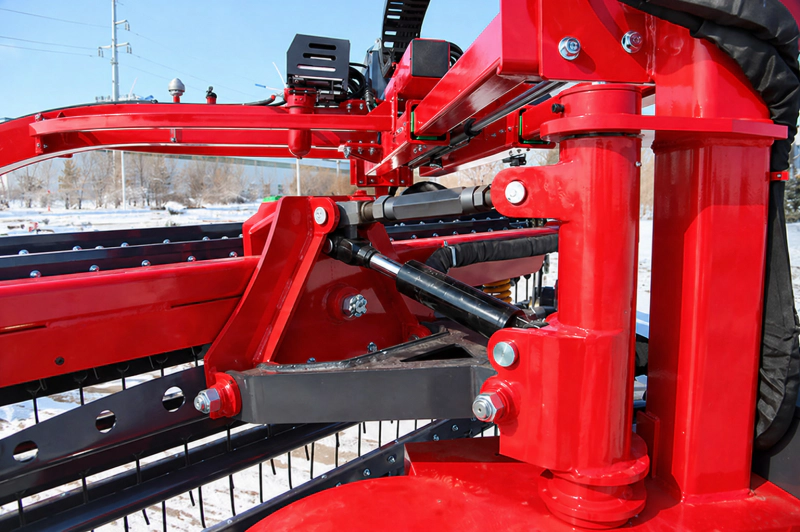
Los campos rara vez son perfectamente planos. Utilizamos un sistema de suspensión flotante independiente y de ingeniería avanzada (a menudo complementado con ruedas de control de profundidad pivotantes) que actúa como una araña, desplazándose con precisión sobre depresiones, hondonadas y surcos de riego para recoger hasta el último tallo de heno.
6. Mantenimiento mecánico simplificado
La mayoría de los operarios no se dan cuenta del tiempo que pierden reparando las guías de las levas en los engranajes rotativos. Esta arquitectura de rodillos es extraordinariamente sencilla. Gracias a sus rodamientos sellados, sus robustos sistemas de transmisión y sus púas con soportes de goma fácilmente reemplazables, el tiempo de inactividad durante la época crítica de la cosecha se reduce prácticamente a cero.
🧐 Cómo evitar las trampas: dimensionar la máquina según su operación
Recuerdo a un tipo del Medio Oeste hace unas temporadas que encargó una enorme arado remolcada de 8 metros. Estaba entusiasmado por reducir a la mitad el tiempo de trabajo en el campo. ¿El problema? Intentó usarla con un viejo tractor utilitario de 60 caballos de fuerza que apenas tenía suficiente caudal hidráulico para levantar los brazos, y mucho menos para mover el implemento eficazmente en terrenos montañosos. Terminó frustrado y tuvo que comprar una arado más pequeña.
Al seleccionar el ancho de trabajo, es fundamental calcularlo en función de las pasadas de su segadora o hileradora. Si su segadora corta una franja de 3 metros, un implemento de 6 metros combina perfectamente dos franjas en una sola sin necesidad de pasar por encima del cultivo sin rastrillar y compactar el suelo. Además, si trabaja en pastos estrechos y de formas irregulares con muchas esquinas de cercas, un rastrillo de rodillos montado en la parte delantera será su mejor aliado. Ofrece una maniobrabilidad excepcional en el enganche delantero, dejando la toma de fuerza trasera libre para una empacadora si desea realizar una operación de una sola pasada.
🌾 Versatilidad imparable en diferentes cultivos
Mucha gente cree erróneamente que esta delicada acción de barrido solo sirve para la alfalfa seca y frágil. ¡Nada más lejos de la realidad! Gracias a la rotación mecánica forzada, en lugar de la fricción con el suelo, estas máquinas son una auténtica bestia en ensilaje pesado y húmedo. Mientras que un rastrillo de ruedas podría atascarse o deslizarse lateralmente en hierba húmeda y pesada, la potencia continua de los rotores tritura agresivamente el peso, volteando las densas y húmedas esteras de hierba para exponerlas al sol. Por otro lado, si se trabaja con paja de trigo quebradiza detrás de una cosechadora, ajustar la velocidad de avance y las RPM del rotor permite unir suavemente esos tallos largos y resbaladizos en una hilera perfecta y uniforme para las grandes empacadoras cuadradas.
💬 Envíos directos desde el terreno (sin publicidad engañosa)
Podría hablarles de los planos de ingeniería todo el día, pero seguramente les interesa saber la opinión de quienes pasan 14 horas al día en la cabina. Esto es lo que algunos de nuestros socios de larga data en diferentes sectores globales han reportado a nuestros equipos de ingeniería.
“En nuestra granja lechera en Victoria, Australia, lidiamos con un suelo increíblemente empapado durante la cosecha de raigrás. El equipo antiguo que usábamos se llenaba de barro al instante, arrastrando arcilla húmeda al forraje. Desde que instalamos el sistema Ever Power, simplemente flota. Llega hasta los surcos húmedos y esponja la hierba mojada sin atrapar ni una pizca de barro. La salud de nuestras vacas y el porcentaje de grasa en la leche se han estabilizado notablemente porque el forraje está mucho más limpio.”
— David R., Gerente de Operaciones Comerciales de Productos Lácteos, Australia
“El calor del sur de España durante el verano convierte la alfalfa en polvo absoluto con solo mirarla. Como exportadores de forraje equino de primera calidad, mantener las hojas adheridas al tallo es la base de nuestro modelo de negocio. El barrido de este sistema frontal es increíblemente suave. Ahora alcanzamos niveles de proteína de grado A de la UE de forma constante, simplemente porque no dejamos nuestro mejor producto destrozado en el suelo.”
— Carlos M., exportador de forraje premium, España
🔧 La columna vertebral de la bestia: transmisión de potencia y componentes personalizados.
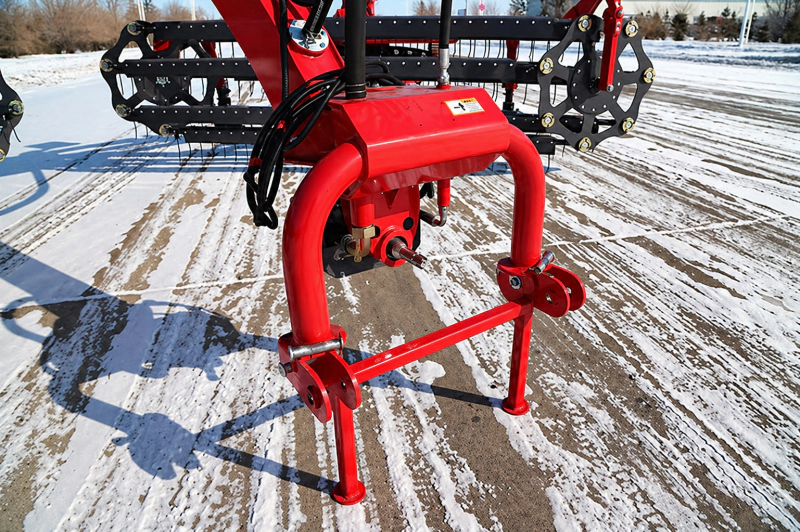
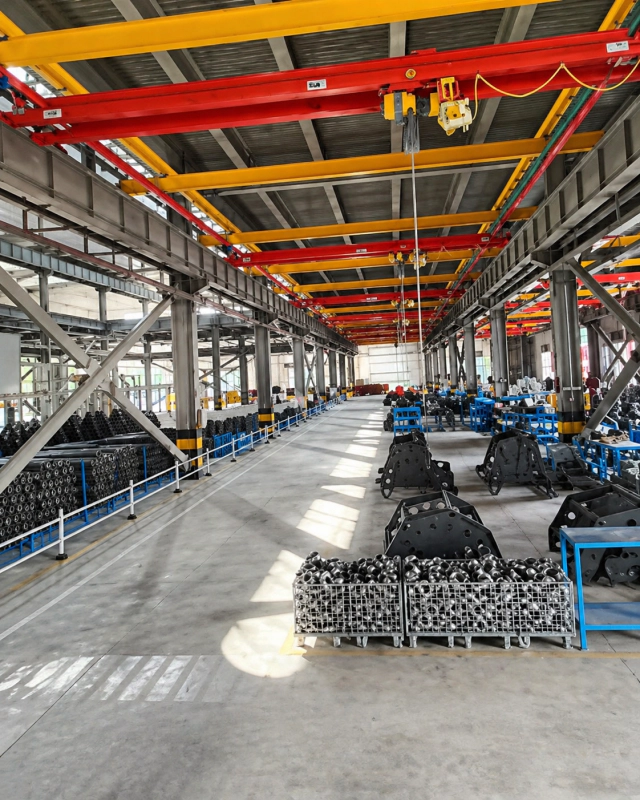
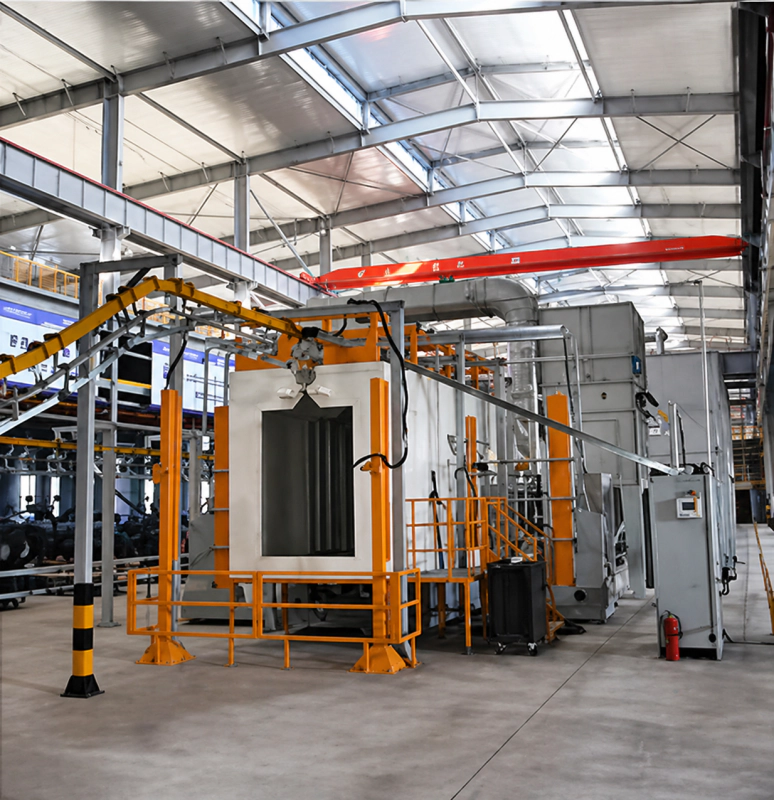
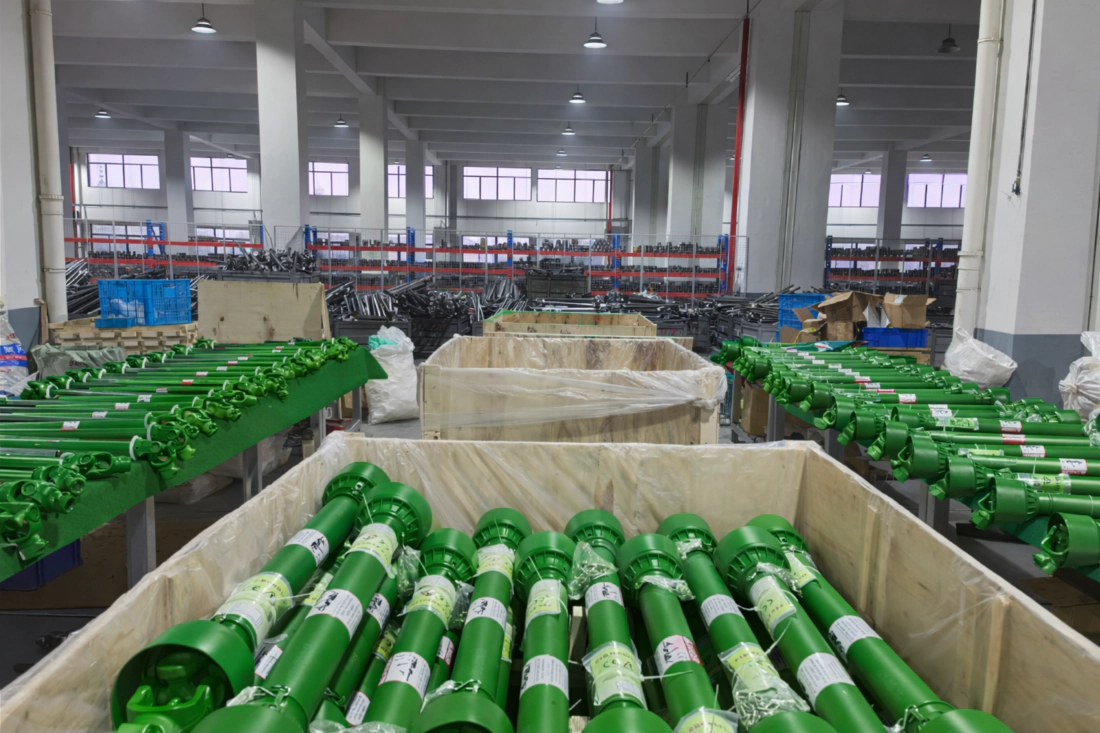
Esto es algo que me apasiona muchísimo. Un gran error que cometen la mayoría de los agricultores es comprar un equipo a una empresa que simplemente ensambla piezas compradas baratas a una docena de proveedores extranjeros diferentes. Si una caja de cambios explota a mitad de temporada, te quedas esperando seis semanas a que un barco de carga traiga un repuesto. Debido a que nuestras raíces en los Países Bajos están profundamente arraigadas en la fabricación industrial, De hecho, forjamos y fabricamos nuestros propios componentes principales de transmisión de potencia..
Suministramos cilindros hidráulicos de primera clase, cajas de engranajes de hierro fundido de alta resistencia y ejes de toma de fuerza (TDF) equilibrados con precisión, diseñados específicamente para soportar los picos de torsión extremos del trabajo agrícola. ¿Se te rompió la transmisión al golpear una roca enorme y oculta? ¡Nos pasa a todos! Pero como mantenemos un amplio inventario de estos componentes universales y patentados en nuestras instalaciones, podemos enviarte la pieza exacta que necesitas de un día para otro. El rendimiento de una máquina depende de la transmisión que la impulsa, y nos aseguramos de que tu eje de TDF para rastrillos de heno sea prácticamente indestructible.
🗣️ ¿Sigues dándole vueltas? Consulta estas preguntas frecuentes probadas en la práctica.
Constantemente recibo las mismas preguntas prácticas tanto de gerentes de compras como de productores independientes. He recopilado las consultas más comunes y directas de la bandeja de entrada de nuestro departamento de ingeniería. Si te estás preguntando si esta es la decisión correcta para tu terreno, estas respuestas podrían aclararte las dudas:
¿Cuál es el coste estimado de un rastrillo de heno de rodillos de uso comercial para una granja lechera en Australia?
¿Qué proveedor fiable ofrece rastrillos de rodillos para heno a medida con ejes de toma de fuerza para empresas agrícolas europeas?
¿Dónde puedo encontrar repuestos originales, como cajas de engranajes, para mi rastrillo barredor de heno de alfalfa?
¿Cómo mejora el rastrillo de rodillos montado en la parte delantera la retención de hojas durante la cosecha en épocas de sequía extrema?
¿Cansado de ver cómo tus ganancias se convierten en polvo en el campo?
La agricultura ya es bastante dura sin tener que lidiar con tu propia maquinaria. Si quieres dejar de ensuciar tus pacas con tierra y empezar a aprovechar la materia prima foliar rica en proteínas que realmente te genera ingresos, es hora de modernizar tu equipo. Tanto si necesitas un tractor remolcado de gran tamaño como si simplemente quieres consultar con un ingeniero sobre cajas de cambios personalizadas y configuraciones de toma de fuerza, estamos listos para hablar de ello.