
Sourcing an efficient heavy-duty round farm baler directly from an authentic factory ensures unparalleled structural reliability and maximizes your seasonal field output. As an elite agricultural machinery manufacturer and a globally trusted round farm baler supplier, Ever Power Netherlands designs customized harvesting configurations built to handle the most demanding, dust-choked crop conditions. In our experience, there is absolutely nothing more frustrating than having a massive storm rolling in, a chamber packed to maximum density, and hearing the dreaded silence when your auto-tie system refuses to engage. Most operators don’t realize that a failing auto-tie system is rarely a catastrophic computer death—it is usually a tiny mechanical binding, a voltage drop, or a micro-switch masked by heavy crop sap. The trick is knowing exactly how to diagnose the wrapping mechanisms before you lose your entire harvest to the rain.
🟢 Deconstructing the Nightmare: An Engineer’s Overview of Automated Tying
Over my eighteen years diagnosing mechanical failures on assembly floors and standing in brutally hot fields with custom harvesting crews, I’ve seen thousands of tying systems lock up. When you are rushing to clear a thick field of dry straw or green alfalfa, your round baler relies heavily on a complex network of electrical actuators, proximity sensors, and hydraulic relief valves to initiate the wrapping sequence. If the net wrap actuator arm loses voltage because of a corroded 7-pin tractor harness, or if a clump of damp hay blocks the knife trip-switch, the entire packing cycle falls into absolute chaos.
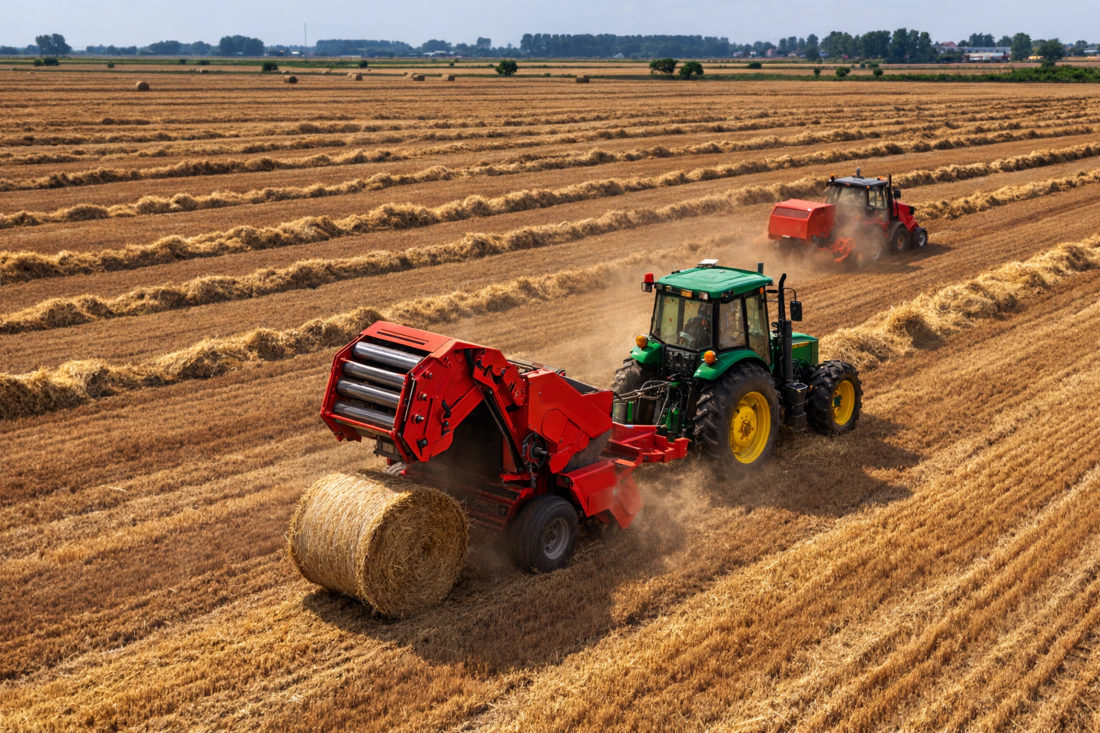
The primary advantage of selecting our latest heavy-duty machinery line is its highly optimized, open-architecture tying bay layout. We’ve purposely engineered our net and twine routing channels to keep moving components protected from flying crop debris while remaining completely visible during routine field diagnostics. You shouldn’t wait until a bale expands and jams against the tailgate to figure out your wrap isn’t feeding—and trust me, digging an un-tied, compressed silage pack out of a fixed chamber is a nightmare no one ever wants to experience! By understanding the core electromechanical junctions and checking voltage behaviors under load, you turn a potential multi-thousand-dollar field failure into a quick, five-minute sensor wipe-down.
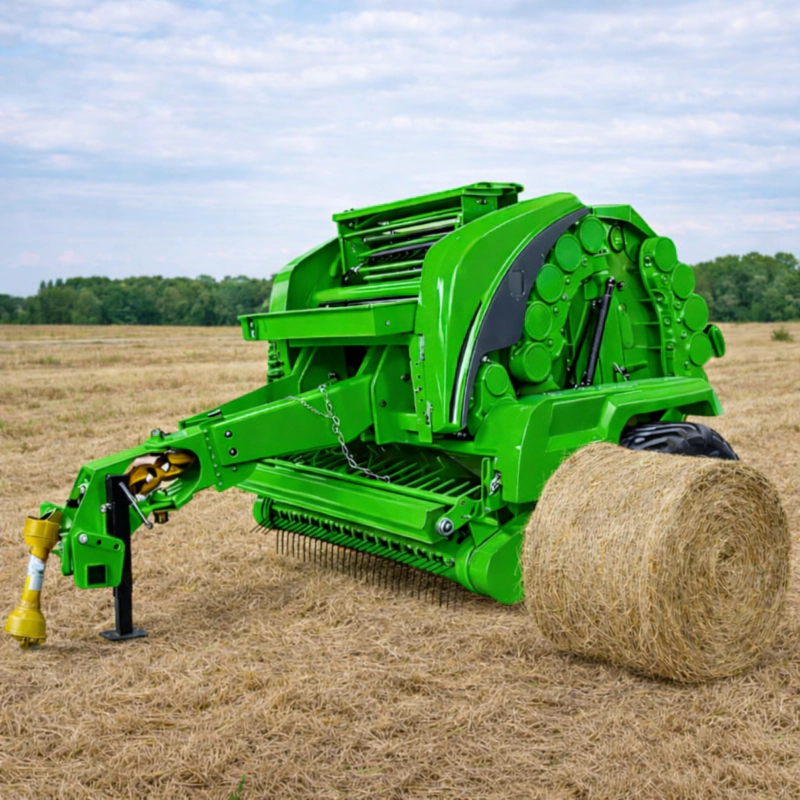
📊 Technical Baselines & Tying Actuation Specifications
Most operators don’t realize how much the technical specs of their electrical harness dictate the reliability of the auto-tie cycle. When you compress high-moisture silage crops, the internal core force pushes outward, requiring the net wrap motor to deploy the mesh under immense frictional drag. To help you trace system metrics and isolate actuator voltage drops safely, our factory engineering group has compiled the true performance parameters across our primary commercial model families below.
| Baler Model Class | Tying System Architecture | Actuator Voltage Requirement | Knife Deployment Mechanism | Est. Base Factory Investment (USD) |
|---|---|---|---|---|
| Compact Utility Master 870 | Mechanical Twine / Optional Net | 12V DC (15 Amp Peak) | Spring-Loaded Trip Latch | $6,800 – $11,500 |
| Commercial Standard Field 1212 | High-Speed Net Wrap System | 12V DC (25 Amp Peak) | Electric Linear Actuator | $19,500 – $33,000 |
| Heavy Silage Pro-Specialist | Wide Cover Edge-to-Edge Net | 12V DC (30 Amp Peak) | Independent Hydraulic Cylinder | $37,500 – $56,500 |
| Industrial Variable Belt Master | Fully Automated ISOBUS Net Controller | ISOBUS Power Integration | Solenoid-Triggered Hydraulic Guillotine | $59,000 – $91,500 |
*Note: A weak tractor alternator or a corroded ground wire can cause the voltage to drop below 10.5V at the back of the implement. When this happens, the baler monitor stays illuminated, but the tying actuator lacks the physical torque to drop the knife.*
⭐ 6 Engineering Milestones That Bulletproof the Tying Cycle
In my near-two decades of structural agricultural engineering, I’ve torn down competing generic machines from top to bottom. Cheap balers use exposed micro-switches and thin, unshielded wiring harnesses that short out the moment damp crop dust accumulates on the chassis. At Ever Power, we eliminate those weak electrical engineering layouts entirely. Here is exactly why our high-durability platforms handle extreme tying stress effortlessly:
Sealed Inductive Proximity Sensors
We do not use physical click-switches that can be jammed open by a single piece of straw. Our magnetic proximity sensors are fully sealed in resin, ensuring perfect density tracking regardless of field dust.
Marine-Grade Wiring Harnesses
Moisture from silage is highly acidic. We utilize marine-grade, tinned copper wiring enclosed in thick corrugated looms to completely prevent voltage drops and harness corrosion over long winters.
Hydraulic Knife Guillotine Systems
Instead of relying purely on a weak electric motor to snap the net wrap, our commercial units route tractor hydraulic power to a guillotine knife, delivering thousands of pounds of cutting force instantly.
In-Cab Manual Override Integration
If the automated density sensor ever fails mid-field, our digital monitors feature a dedicated physical override button. You simply press and hold it to force the actuator to drop the net manually.
Forged Steel Spreader Rolls
A common tying failure happens when the net bunches up in the center. We deploy heavily textured, forged steel spiral spreader rolls that aggressively pull the net wide over the bale shoulders.
Direct Netherlands Custom Programming
Because we operate a vertically integrated round farm baler factory, we customize the software logic of the tying cycle delays to perfectly match your tractor’s specific hydraulic pump flow rates.
🤔 The Master’s Field Guide: Sizing Your Setup and Pinpointing Tying Triggers
Here’s a dose of cold, hard engineering reality: ninety percent of the tying failures that leave operators stranded in a field aren’t caused by a burned-out computer board. They are triggered by dull knives, poor ground connections, or abrasive crop rubbing against the rubber feed wheels. If you hear the actuator motor whining but the net won’t feed, the primary rubber drive roller in the tying bay is likely coated in slippery plant sap, causing it to spin uselessly against the plastic mesh without gripping it. A quick wipe down with a rag and some brake cleaner will have you back in business in sixty seconds.
When choosing a machine to avoid these constant electrical headaches, you must evaluate your predominant crop moisture profile alongside your tractor’s actual electrical and ISO output authority. If you are a family farmer pulling with an older, classic utility tractor that lacks a modern high-amp alternator, our compact fixed-chamber model utilizing a mechanical, spring-trip twine arm will keep your operation blissfully simple and completely free of low-voltage glitches. On the flip side, if you are a high-volume custom contractor dealing with heavy, wet clover silage, you absolutely must step up to our Variable Master Pro utilizing fully integrated ISOBUS communications. Sizing the electronic hardware correctly to your tractor’s data capability is how real field profitability is secured without downtime.
🌿 Field Applications: Navigating Crop Debris and Tying Actuation
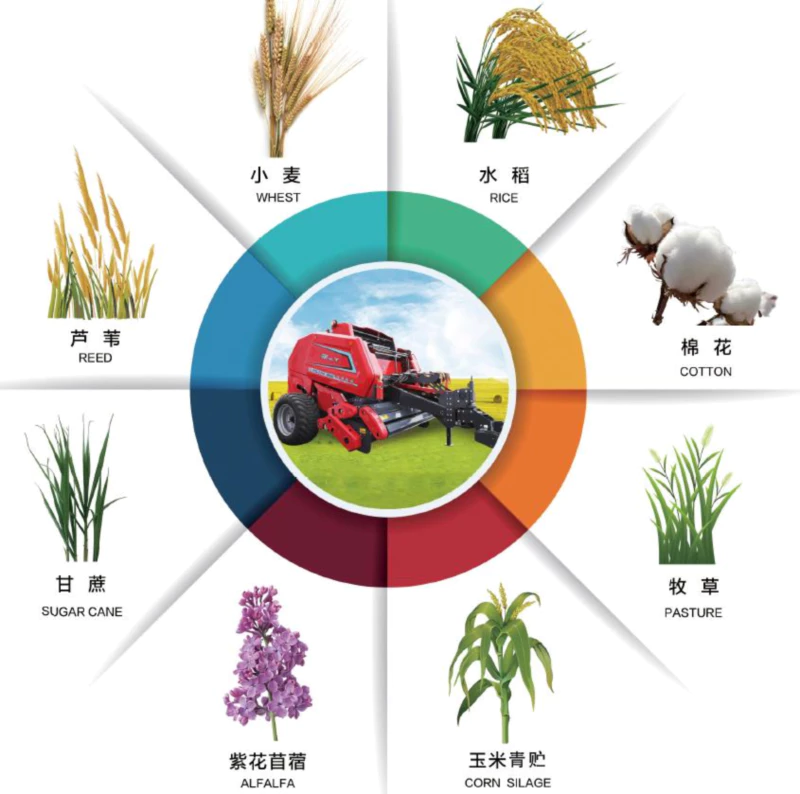
The physical behavior of agricultural forage shifts completely across the harvesting calendar, altering the internal contamination profiles inside your tying bay. Dry wheat straw is highly brittle, light, and shatters easily; it creates an immense cloud of fine silica dust that settles directly onto the grease tracks of your knife actuator, turning the lubricant into a thick paste that seizes the blade mid-swing. High-moisture grass silage, conversely, behaves like wet clay. It leaves sticky sap residue on the aluminum net-wrap tension plates, causing the mesh to drag, over-stretch, and tear prematurely before it ever reaches the bale.
Our dual-crop machinery lines utilize heavy-duty, sealed tying compartments designed specifically to block out these contrasting application hazards. When sweeping up a light, rapid windrow of dry barley straw, our oversized steel guard plates physically deflect the dust vortex away from the actuator motors. When moving into thick, sticky alfalfa silage, our integrated self-cleaning scraper bars ensure the feed rollers maintain high friction. This means the moment the monitor signals the tie cycle, the rollers instantly grab the net and launch it into the chamber without hesitation. This adaptability ensures your capital asset remains highly profitable across the entire agricultural calendar.
🗣️ Grounded Field Feedback: Real Insights From Active Growers Globally
I tell our production team every single day that real machinery validation doesn’t happen on our clean, air-conditioned assembly floor—it’s proved when an operator is pushing their iron to the limit under a darkening sky. We maintain deep, personal communication with custom contractors globally to make sure our factory customizations handle localized land conditions perfectly.
“We clear massive wheat straw acreage down here in Texas, where the summer dust regularly chokes out standard electronics. Our older generic baler would constantly fail to drop the net wrap knife because the mechanical linkages were packed with dirt. We switched to the Ever Power standard commercial series last season. Their fully enclosed hydraulic guillotine knife has completely solved our tying issues. Fired it up this spring, and the in-cab display triggered perfect edge-to-edge wraps all day without a single manual reset.”
— Austin Vance, Custom Forage Contractor (Waco, Texas, USA)
“Our challenge here in Cork, Ireland is a nearly constant dampness. Putting up high-moisture silage ryegrass means our electrical harnesses are working under maximum humidity cycles every single minute. The tinned marine-grade wiring on the Ever Power baler has been totally immune to acidic silage juices and corrosion. No voltage drops or actuator sluggishness over three full seasons. It ties reliably every single time the chamber hits max density.”
— Tadhg Murphy, Dairy & Beef Producer (Cork, Ireland)
🛠️ Premium Component Sourcing: Heavy Duty Hydraulic Cylinders, Cast Gearboxes, and Precision Shafts
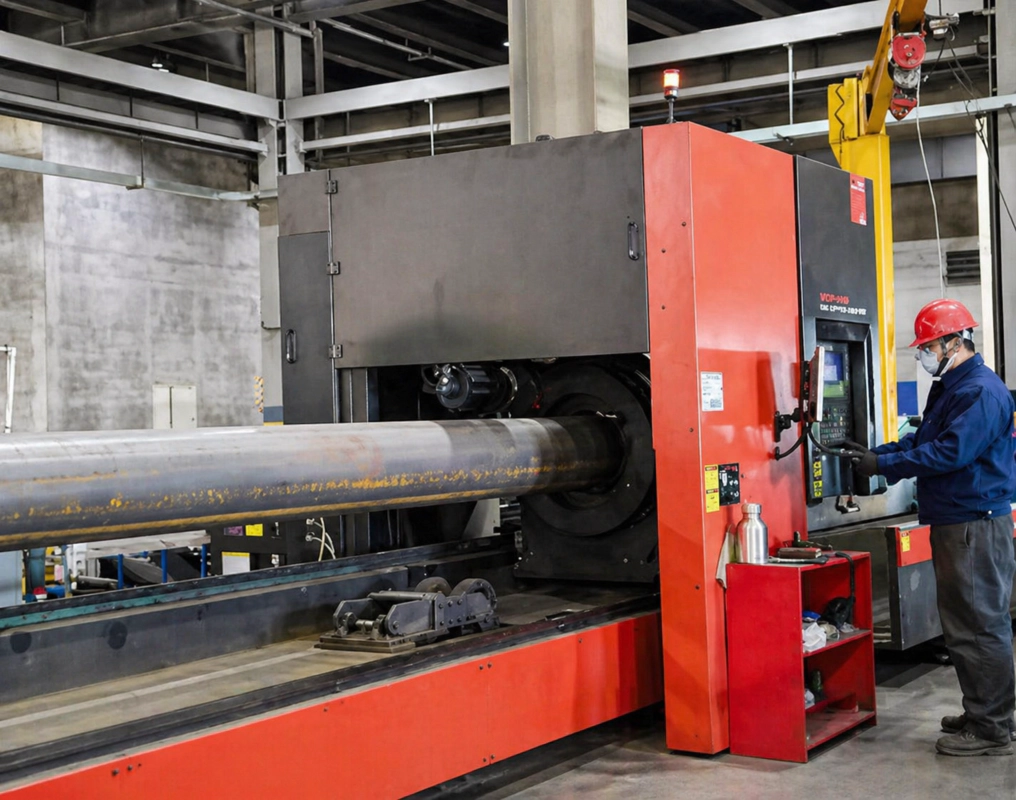
Let’s address a hard operational reality: every single harvesting implement working under continuous torsional friction will eventually require wear component replacements. It’s simple physics—metal moving against stiff plant fibers day after day. A lot of generic internet suppliers will sell you a machine and completely vanish when you need a replacement sensor harness or a custom gear set, leaving you stranded for weeks mid-season. We refuse to operate that way. Because we manage a fully vertical component engineering plant at Ever Power, we provide direct factory access to premium hydraulic cylinders, high-torque right-angle gearboxes, hardened pick-up tines, and heavy-duty drive sprockets.
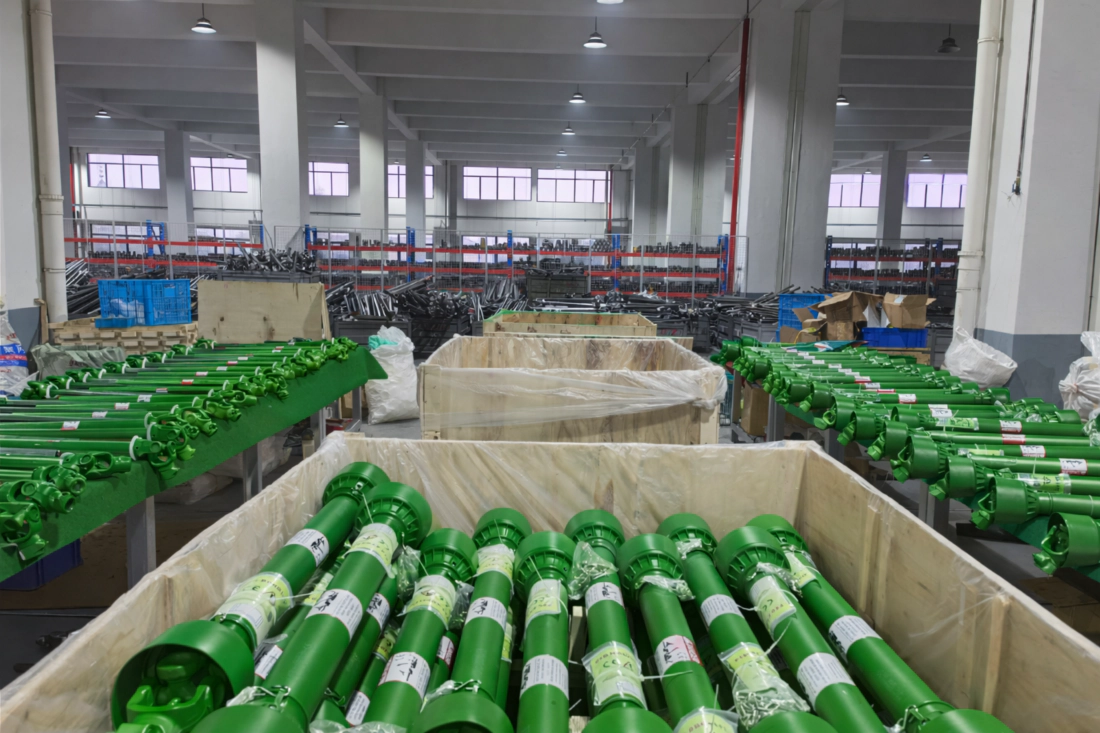
Our proprietary dual-acting hydraulic rams feature induction-hardened chrome shafts with double-lip viton seals, guaranteeing zero fluid weepage even when handling heavy 2,500-pound green silage packs. Our main power transfer gearboxes utilize robust cast-iron housings and oil-immersed helical gears that run completely cool under high continuous load constraints. You can explore our engineering heritage directly on our about us page, or return to our main home page to browse our complete manufacturing blueprint.
❓ Common Technical Inquiries Regarding Auto-Tie Diagnostics
Over my long engineering career, I’ve answered nearly every mechanical and electrical question you could imagine. To save you precious research time, I’ve compiled the absolute most common inquiries we receive from growers looking to optimize their field performance and eradicate tying failures.
How much does a commercial round hay baler cost from an authentic direct factory supplier in Europe?
A dependable commercial round hay baler typically requires an investment between $19,500 and $56,500 when purchased directly from an experienced factory supplier. Sourcing your equipment direct eliminates steep retail middleman markups and allows our engineering team to customize the tying bay to suit your specific crop densities.
Where can I request an automatic mini round baler cost quote tailored for low-horsepower utility tractors?
You can easily request an automatic mini round baler cost quote specifically optimized for your utility tractor by submitting your PTO horsepower parameters straight through our official online engineering portal. Starting at roughly $6,800, this compact mechanical-tie setup requires only 35+ HP to deliver stable, continuous output.
Which specific variable chamber round baler price guidelines match heavy duty silage production demands?
Commercial variable chamber round baler price guidelines range between $45,000 and $91,500 depending on your required configuration. For high-volume silage applications, we strongly recommend choosing our reinforced endless belt variants outfitted with sealed ISOBUS net wrap controllers to ensure flawless tying uniformity in wet crops.
How do I fix an auto-tie system on a round farm baler when the net wrap knife fails to cut?
When your auto-tie knife fails to cut, immediately check the tractor’s 12V electrical harness for voltage drops, ensure the knife blade isn’t dull from high-silica dust, and verify the mechanical trip springs are free of packed mud or hardened silage sap.
Stop Letting Electrical Failures Dictate Your Daily Field Harvest Speeds
Don’t let corroded wires or jammed mechanical knives ruin your packing density curves or leave you stranded mid-day. Connect directly with our application engineers in the Netherlands to configure a heavy-duty platform built for absolute tying precision.


